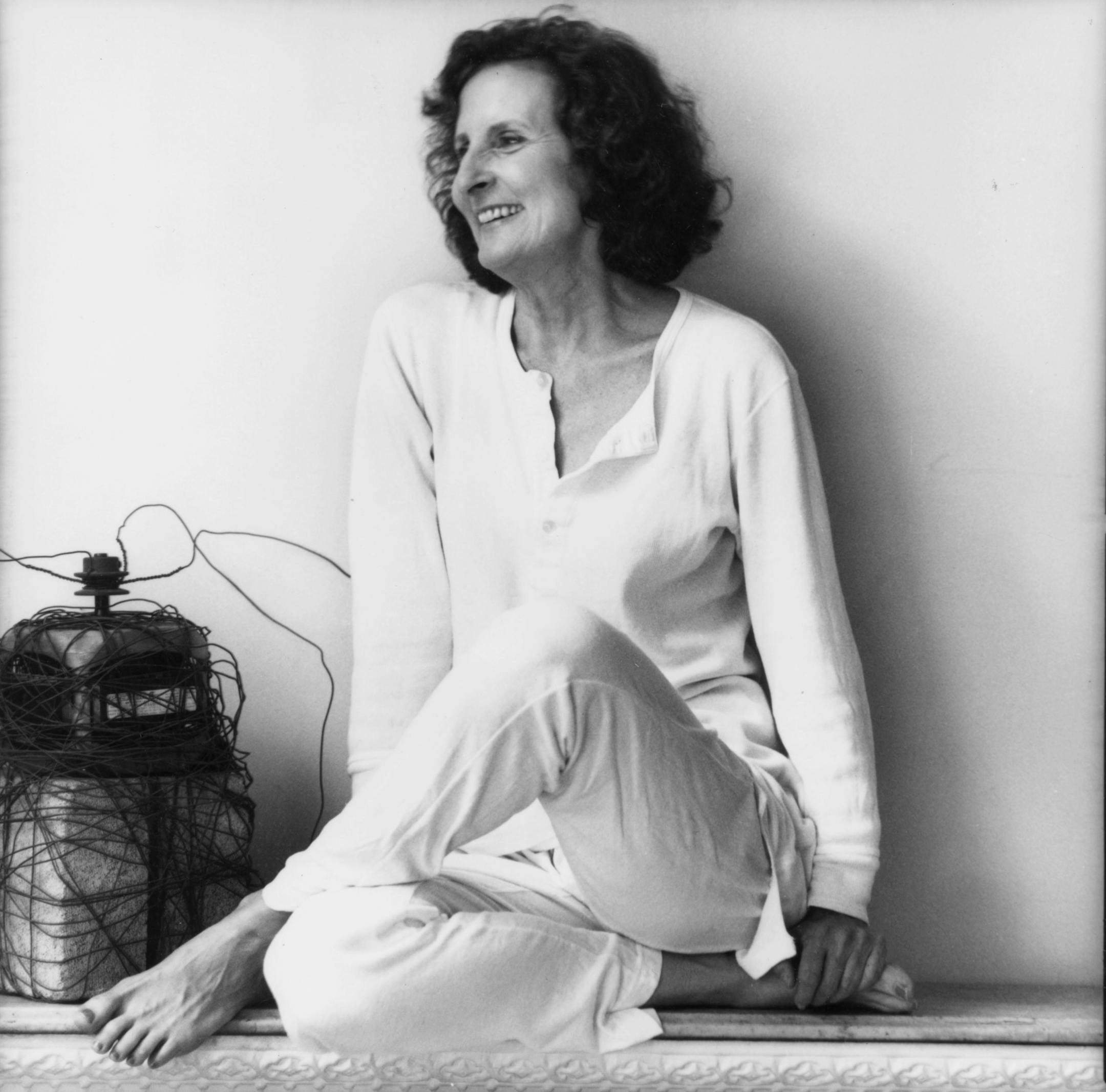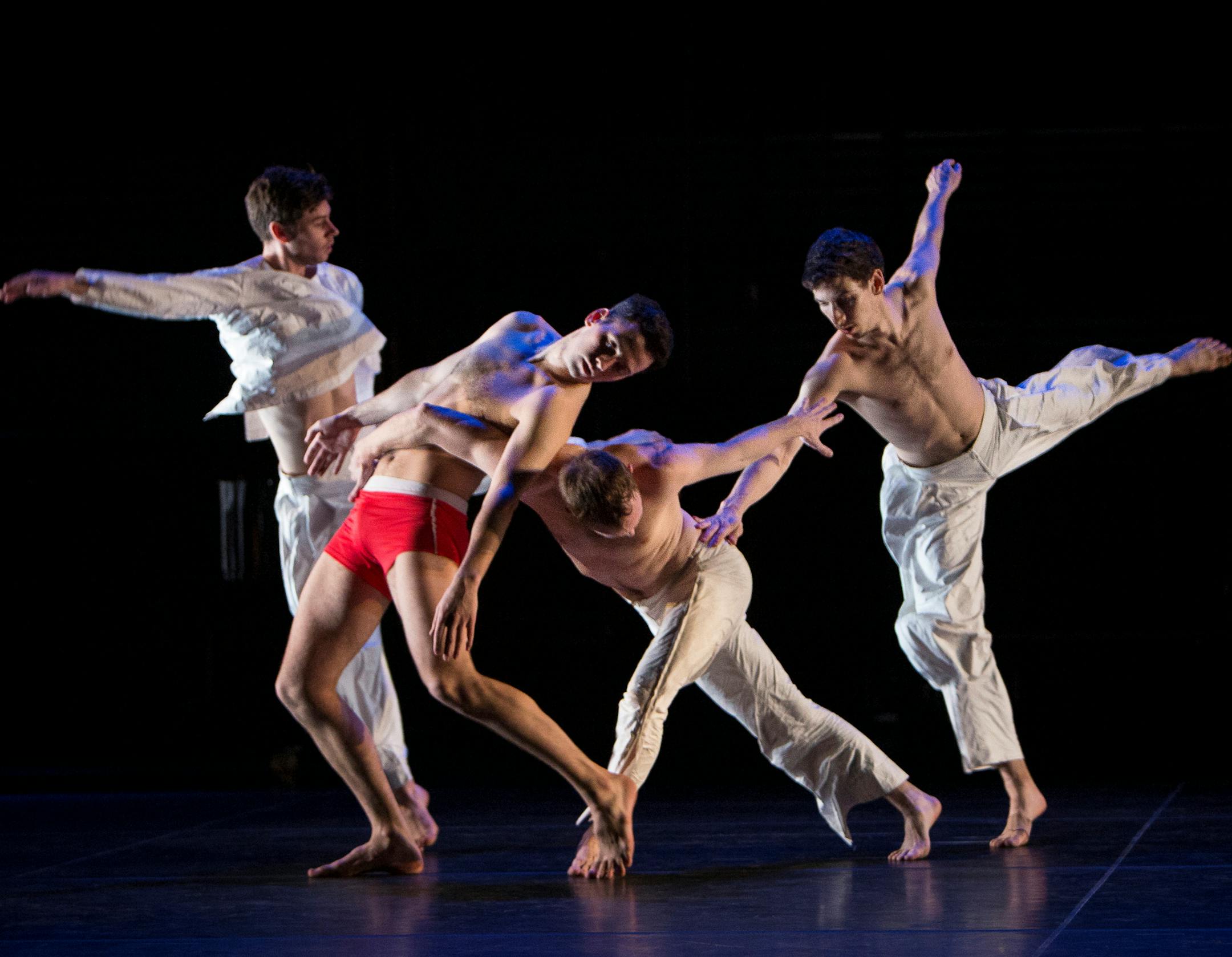
Trisha Brown Dance Company's "Proscenium Works 1979-2011," presented by Walker Art Center and Northrop Dance this weekend, illustrates just how important this New York-based choreographer's contributions are to the development of contemporary movement. Brown's vision is singular, timeless and just as fresh in 2014 as it was in 1970 when she founded her internationally renowned troupe.
This weekend's performances are part of an important transition for the 77-year-old Brown. She no longer will choreograph, and she recently bestowed the title of associate artistic director on longtime company members Diane Madden and Carolyn Lucas. They will lead the company into a new era by promoting the importance of Brown's legacy.
And what a legacy it is. Consider "Set and Reset," (1983) the program opener. Set to original music by Laurie Anderson with visual presentation and costumes by Robert Rauschenberg, the work showcases Brown's commitment to bringing together the brightest artistic minds to create a distinctive environment. The dancers (including Minnesota native Nicholas Strafaccia) expertly interpret the seamless, witty and endlessly fascinating movement that draws upon pedestrian influences and a method of accumulation developed by Brown.
"Astral Convertible," from 1989, has a sound score by John Cage and more visual contributions from Rauschenberg. This piece has a cerebral bent, especially as it is set against Cage's spare instrumental tones, but it is no less of a wonder. Brown's choreography is unadorned and direct but with a touch of surrealism. The dancers seem amphibious, as if equally comfortable between the earth and a suspended state.
Rauschenberg created the music and design for Brown's "If you couldn't see me" (1994), a solo that demands the dancer never show her face. Performed by the physically eloquent Jamie Scott, the work demonstrates just how expressive the body can be through its fluid mechanics.
"I'm going to toss my arms — if you catch them they're yours" closes the evening. In the 2011 work, Burt Barr's set features eight industrial-size fans that blow throughout the work. The dancers' strip-away costumes are sometimes set aloft, and the original music, performed live by Alvin Curran, is filtered through the fans, creating a low-tech vibrating sound effect. Brown's choreography feels light and liberated in this piece. It flows with the freedom that comes from a lifetime as a fearless pioneer.
Caroline Palmer writes about dance.