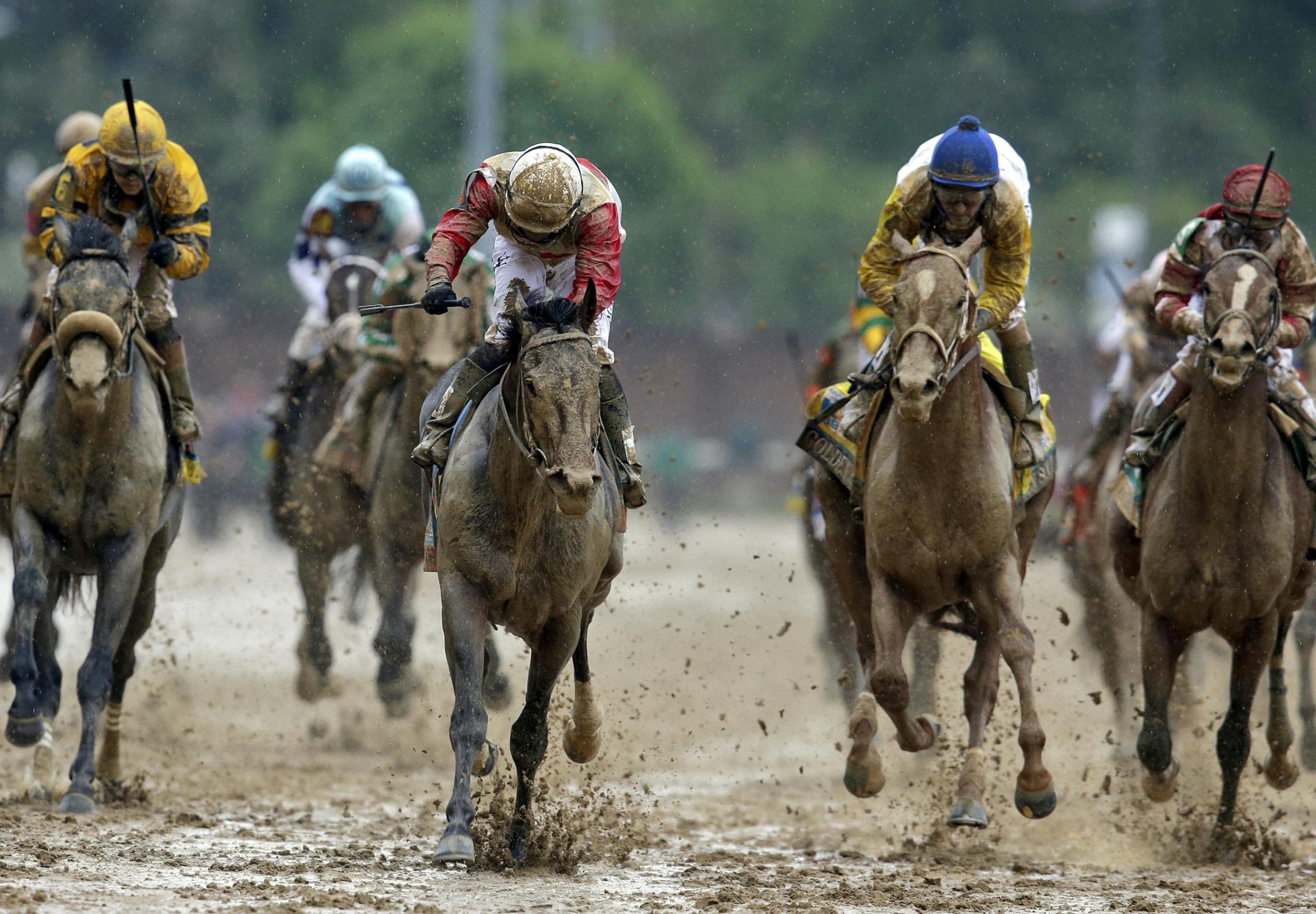
BALTIMORE – As Orb charged to the wire at Churchill Downs last weekend, he established his clear superiority to the other 18 thoroughbreds on horse racing's biggest stage, the Kentucky Derby.
But compared to Derby champions of the past, Orb's time is less impressive — his 2:02.89 run doesn't rank among the top 10 in the race's history. Blame the muddy track? Fair enough, but none of the past decade's Derby winners recorded a top-10 time either.
Triple Crown thoroughbreds are not running as fast as they used to. And those in the racing industry cite any number of reasons, including lax training schedules, new track surfaces and breeding that stresses short-distance speed.
The discussions about speed come as Orb prepares for the 138th running of the Preakness at Pimlico Race Course next Saturday. Among recent Preakness winners, only Curlin in 2007 recorded a time that ranks among the 10 fastest in that race.
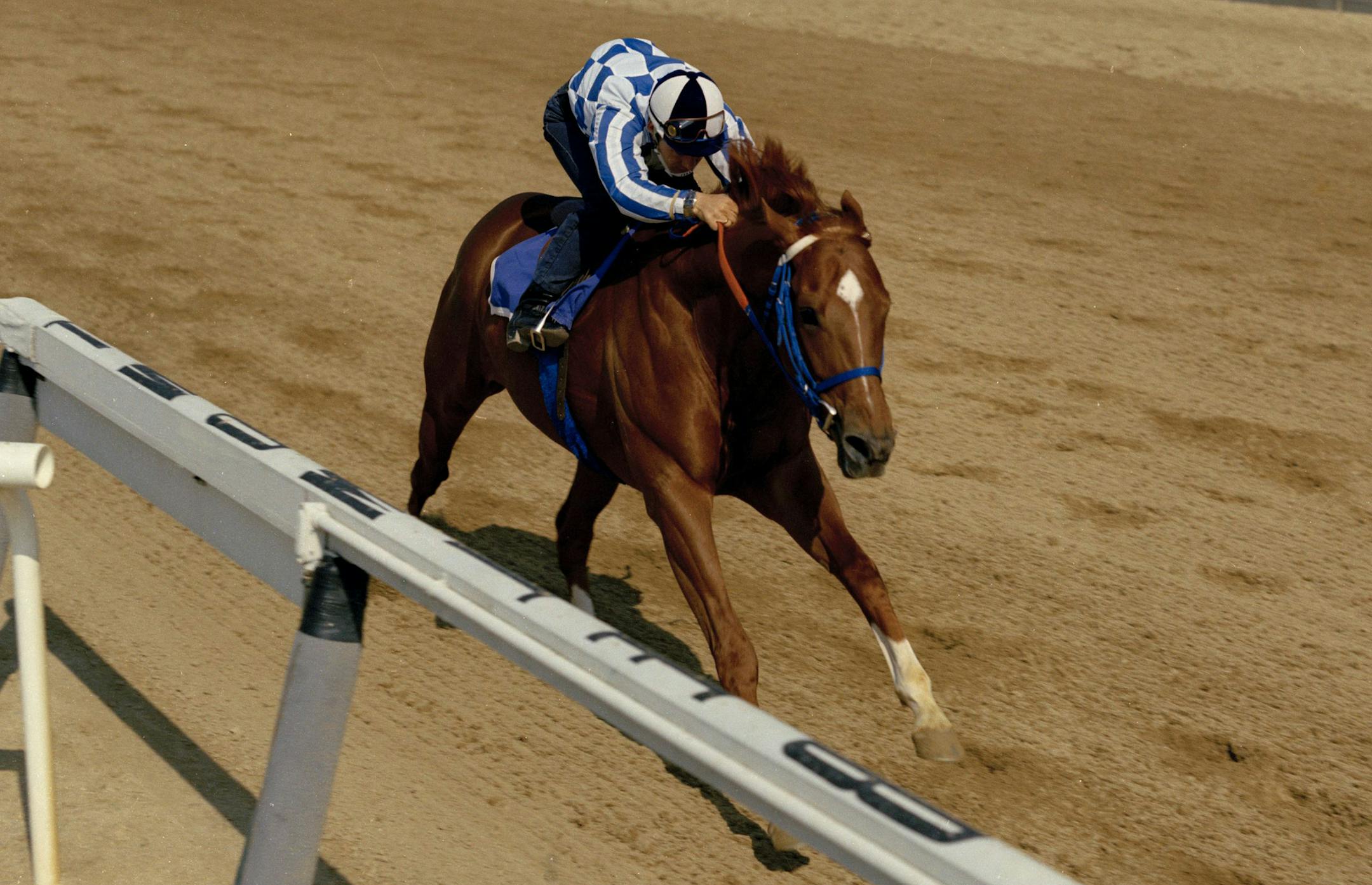
Forty years after he won the Triple Crown, Secretariat still holds the record in each race.
"In general, American horses have not been as good as in the past, and they have not been as good at the classic distances," said longtime racing writer Andrew Beyer, whose analysis of running times is used throughout the industry. "I haven't seen horses in the last 20 years that deserve to be mentioned in the same breath as Seattle Slew or Secretariat or Affirmed."
In the early 1970s, Beyer devised "speed figures" for each race, accounting not only for raw times but for track conditions. Even by those figures, which make it easier to compare races across decades, recent winners of the Derby, Preakness and Belmont have run at speeds below historical norms.
This stands in stark contrast to human performance.