Travel: Forgotten Florida

Relaxation comes easy on two laid-back Florida islands, far from the clamor and glamour of Mickey and Miami.

For the Minnesota Star Tribune
January 10, 2010 at 7:22AM
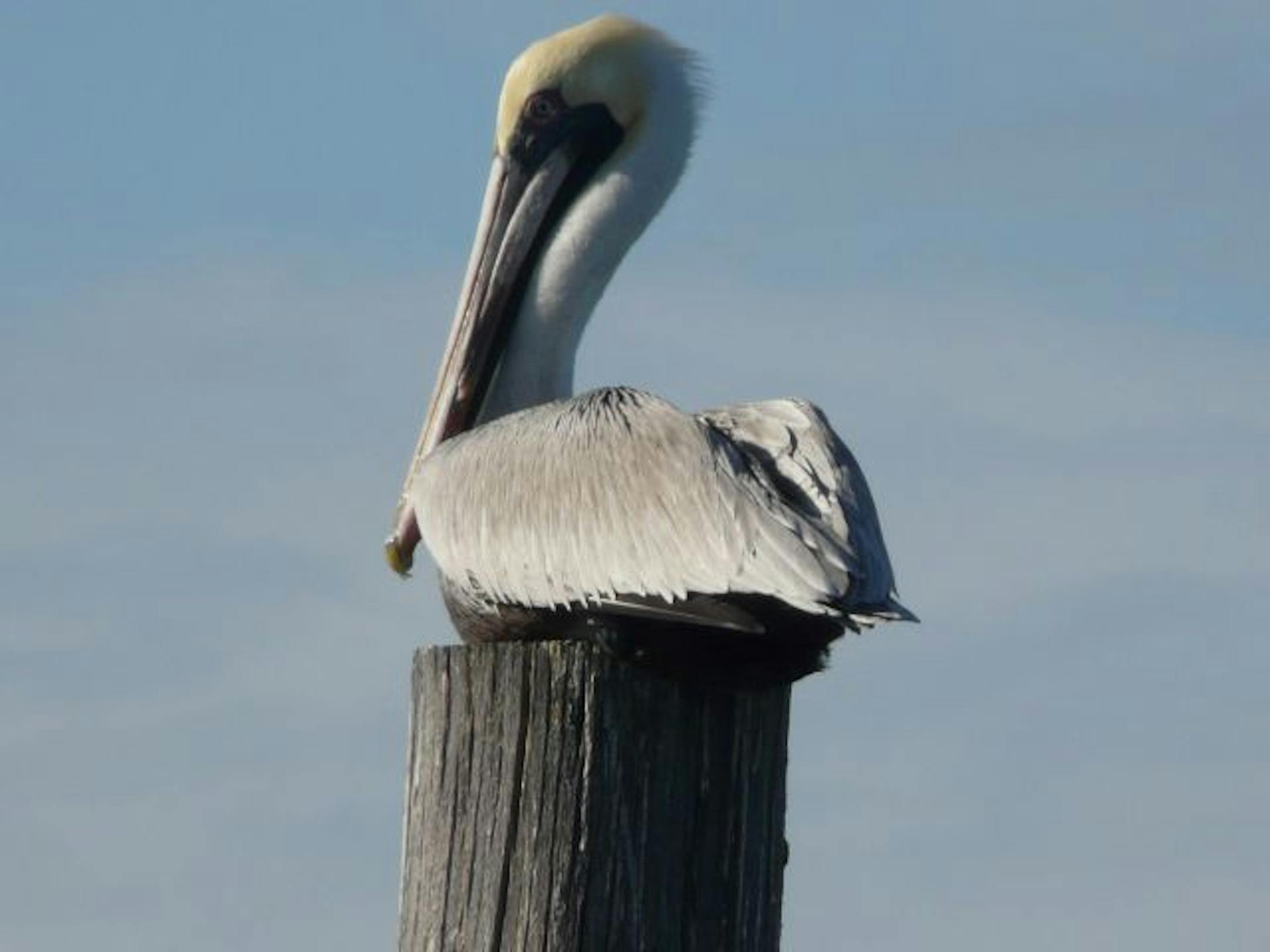
pelican, cedar keys, Fla.
Cedar Keys (Star Tribune/The Minnesota Star Tribune)

Oysters, it seems, are everywhere in Cedar Key, Fla.

They grow in hard, gray-white clumps along the white sand shorelines of the Gulf of Mexico. You scrape your kayak on them gliding among islands at low tide. Their shells are piled tens of feet thick where ancient Indians built them into structures that were part garbage heap and part wind protection. Oystermen plying the shallow nearby water dredge them and haul them in by the ton.

And, of course, they're on every menu in town -- fried, raw, in stews and stuffed into sandwiches.

Oysters were here at the beginning of this town's up-and-down fortunes 150 years ago, and they have helped carry it into the 21st century as a modest tourist destination and art colony.

Far from the much better known keys of south Florida, Cedar Key and its surrounding islands lie in the state's Big Bend region, where the peninsula meets the panhandle and where relatively few people visit. It doesn't try for the glitz of Miami Beach or the frenetic whirl of Orlando. But if you like to sea kayak, bird watch, fish for (or eat) sea trout and redfish, wander among shops and galleries or watch the sun rise and set on the Gulf of Mexico, it can offer a great, laid-back retreat.

You don't even have to like oysters.

I visited the island last winter and came away thinking I'd seen a bit of Florida the way it used to be, before Mickey Mouse arrived.

Wildlife flourishes
In a state that has nearly doubled its population in 40 years, Cedar Key reached its peak of 2,500 or so residents in 1885 and now has about 800. It prospered with early fishing and lumbering (its cedar trees were harvested and milled and turned into millions of pencils) and it really got on the map when the first cross-state railroad was completed in 1861. Fruit, cotton, sea turtles, oysters and other products were shipped to the Atlantic coast and up the Eastern Seaboard.

But periodic hurricanes visited destruction, overharvesting shut down the oyster business for decades and Tampa Bay to the south eventually supplanted Cedar Key as Florida's main Gulf seaport. In 1932, the railroad ceased to run.

Sponge divers worked the waters for a while, oysters came back, someone tried making brushes and brooms from the palmetto leaves that grow everywhere. Mullet fishing became a trade for some. After the state outlawed the use of gill nets to protect fish populations in the 1990s, the government helped some locals get started farming clams in the shallow waters.

The town (Cedar Key, singular) is set on a spider-shaped island that is at the end of Hwy. 24 and among 13 islands that make up the Cedar Keys National Wildlife Refuge. It is adjacent to the Lower Suwannee National Wildlife Refuge.

One morning I went to the Lower Suwannee and saw osprey, ibises, wood storks, egrets and other birds. I chatted with folks fishing from a wooden pier extending from a salt marsh. Tiny fiddler crabs inched out of their holes at water's edge, then scurried back to safety. One man waded into the shallows, tossing a net for fish.

Then I strolled the two-block-long Dock Street, lined with shops and restaurants, including the Big Deck Raw Bar, where raw oysters and clams were $6 a dozen. Brown pelicans and cormorants sunned themselves on the wood piers and sport fisherman backed their fishing boats down the single ramp to head out on the Gulf.

Kayaking to abandoned isle

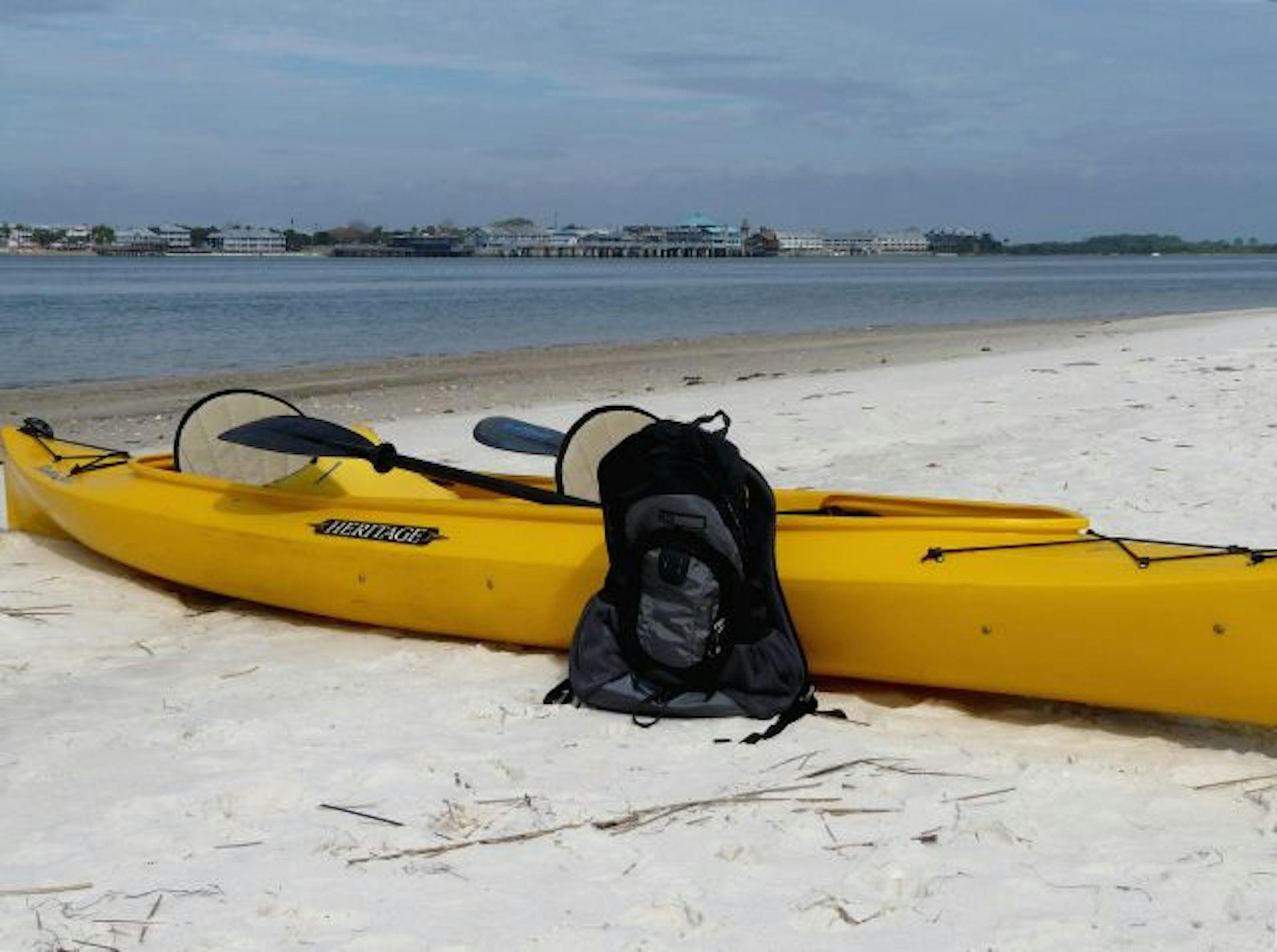
The next morning, the sun rose in the southeast above Gulf waters and I watched pelicans glide by and flocks of black skimmers wheel and turn in the air like smoke. I rented a kayak for three hours ($40) and paddled a half-mile to the formerly inhabited island of Atseena Otie (the locals say "Seeny Ota"). I floated among oyster beds, walked the white sand beaches and made my way through a forest to a century-old cemetery, where some of the area's earliest white inhabitants now lie buried, their stone markers and wrought iron fences leaning and weathering.

That evening, I grabbed a beer, donned a jacket and boarded a small boat piloted by Brian Matice of Island Hopper charters. He took me out among the islands again, finding a couple of dolphins surfacing for a few minutes and then explaining everything from the intricacies of clamming to how an island 6 miles from land can be inhabited by freshwater poisonous snakes.

Then, as the sun slid among clouds just above the horizon, he championed the great long-lasting sunsets. "You can have a beer, take a shower and it's still going on," he said.

The town, too, seems unrushed. Clammers take time to chat while their mesh bags dry in the sun; golf carts are for rent and get you across town in minutes. An organic-strawberry grower comes out of his house trailer and picks a couple pounds of berries for you for $6.

At day's end, you can again watch the birds against the silver water, see the fishing boats heading back in and walk the oyster-shell beach, waiting for a sky full of stars.

David Peters is a journalist who lives in Minneapolis.

CEDAR KEY

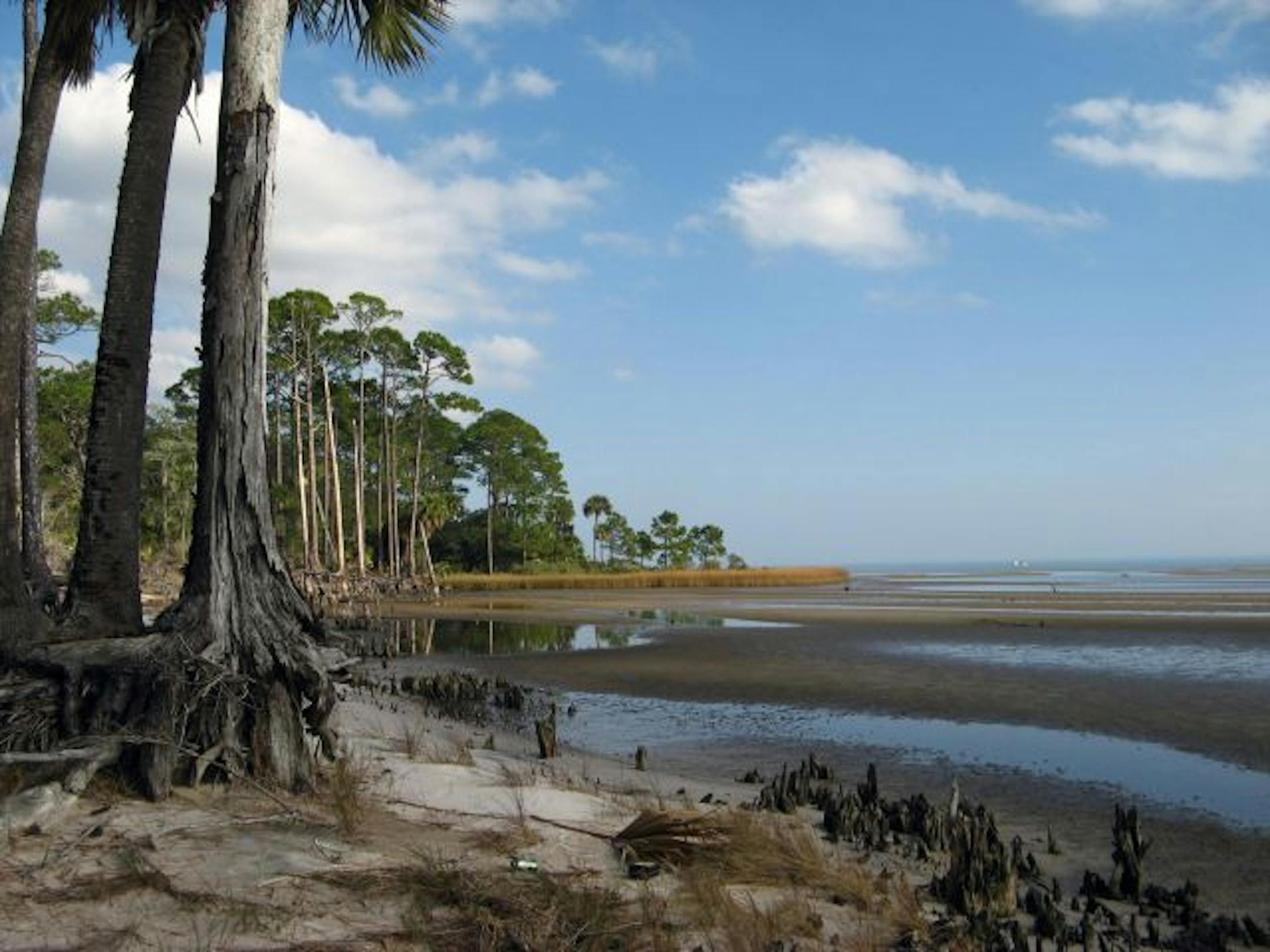
Photo by Mike Williams/Cox Newspapers slug: FLORIDA-TRAVEL20 APALACHICOLA, FLA... Apalachicola Bay is known for its slow pace, fantastic oysters and equally fantastic natural scenery(Photo by Mike Williams/Cox Newspapers) NO MAGS, NO SALES, ONE TIME USE ONLY, RECEIVER USE ONLY, EDITORIAL USE ONLY.
palachicola Bay is known for its slow pace, fantastic oysters and equally fantastic natural scenery. (Cox/The Minnesota Star Tribune)
cedar key fla.
On Cedar Key (Star Tribune/The Minnesota Star Tribune)
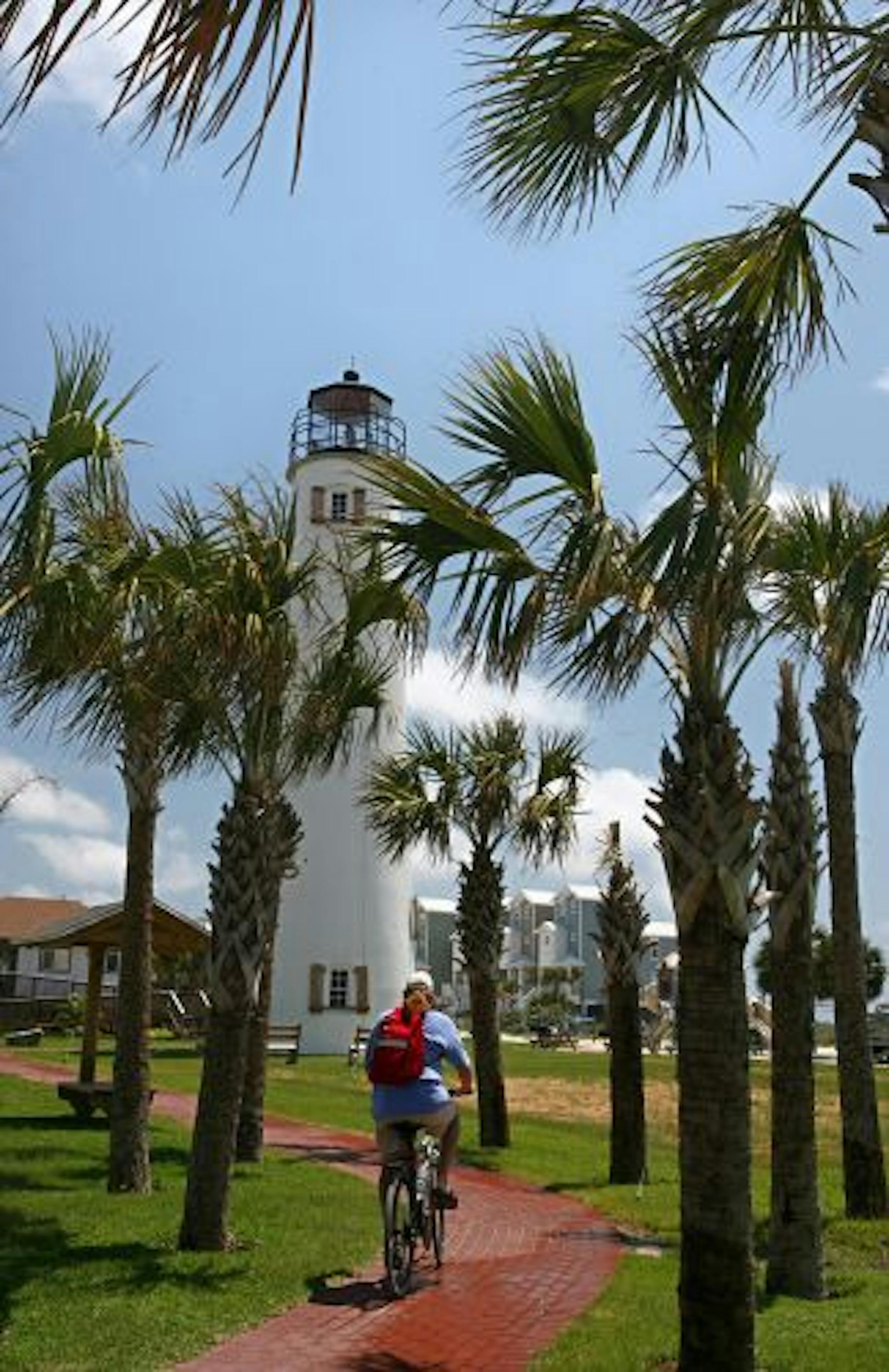
(05/03/2009 APALACHICOLA) 2. The Cape St. George Lighthouse was reconstructed on St. George Island near Apalachicola and East Point, Fl. Visitors can climb to the top for a view of the island and the Gulf. St. Petersburg Times photo by Scott Keeler
The Cape St. George Lighthouse was reconstructed on St. George Island near Apalachicola and East Point, Fl. Visitors can climb to the top for a view of the island and the Gulf. St. Petersburg Times photo by Scott Keeler (St. Petersburg Times/The Minnesota Star Tribune)
about the writer

about the writer

DAVE PETERS

More from Minnesota Star Tribune

See More
card image
J. SCOTT APPLEWHITE, ASSOCIATED PRESS/The Minnesota Star Tribune

The "winners" have all been Turkeys, no matter the honor's name.

In this photo taken Monday, March 6, 2017, in San Francisco, released confidential files by The University of California of a sexual misconduct case, like this one against UC Santa Cruz Latin Studies professor Hector Perla is shown. Perla was accused of raping a student during a wine-tasting outing in June 2015. Some of the files are so heavily redacted that on many pages no words are visible. Perla is one of 113 UC employees found to have violated the system's sexual misconduct policies in rece