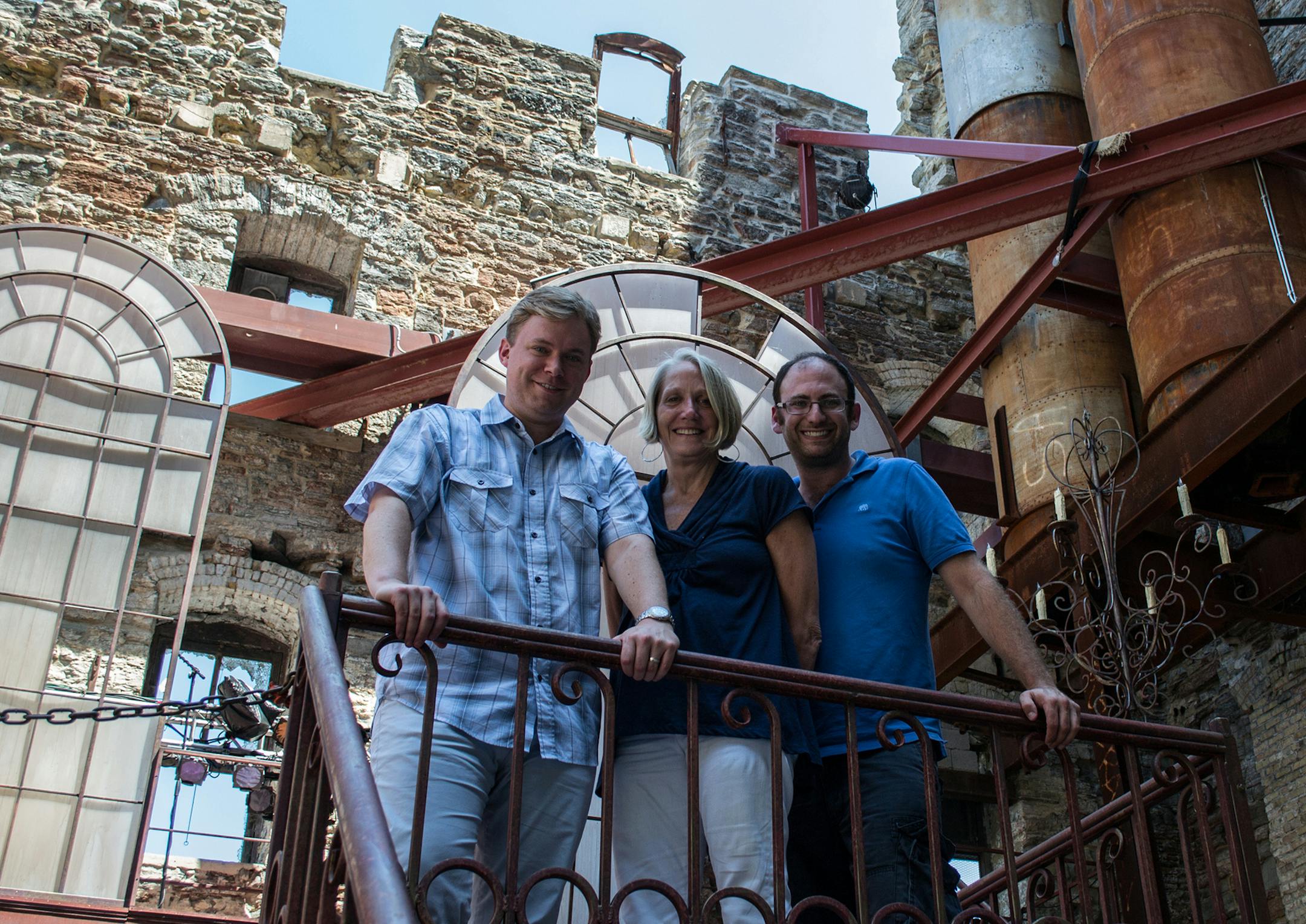
Karen Brooks has decided that you don't mess with success. Brooks helped found Mill City Opera three years ago and then watched as the small, summer company sold out short runs of "Pagliacci" and "The Barber of Seville."
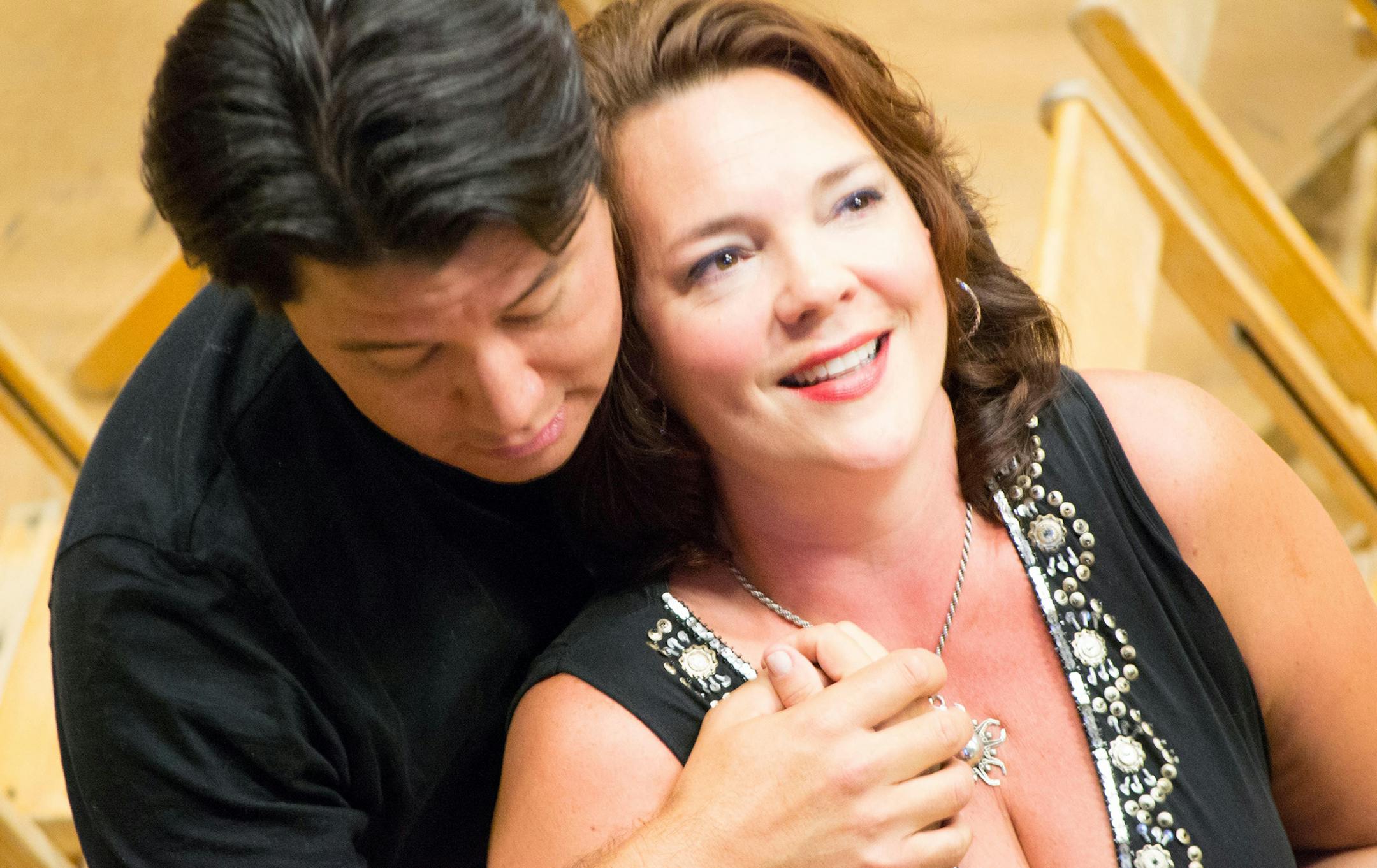
The company's third year opens this weekend with "Tosca" playing under the twilight sky of the Mill City Ruins along the Mississippi riverfront, and again it will be tough to get a ticket (rush seats are available, otherwise all shows are sold out). A performance has been added and two special stagings of a show called "Guns and Rosenkavalier" have been added as a spritzy tonic to the season.
Brooks, though, squelches any suggestion that Mill City might have a bigger appetite.
"There is already a major opera company in town [Minnesota Opera], and there's no reason for us to do anything huge," she said. "We like to think we're bringing new people to opera because of the format."
Mill City has fashioned this success out of several elements: Minnesotans love to be outside in the summer, and the Mill City courtyard allows them to feel the heat at the same time they are enjoying opera; the ruins become a dramatic backdrop that helps define the aesthetic look; the confines of the 350-seat space forces an intimacy that draws an audience closer.
To extend the season would work against the economics of opera, where additional performances trigger higher costs. Tax returns from 2013 show ticket revenue of about $121,000, about 24 percent of total revenue of $498,000. Contributions and other income allowed the organization to shave off a surplus of $13,000 on expenses.
More important to Brooks is the nature of an event that she describes as "artisanal, or a boutique."
"Half the audience is under 50. They enjoy the casual experience where you can eat and drink in your seats," she said. "We need to stick to this model."