

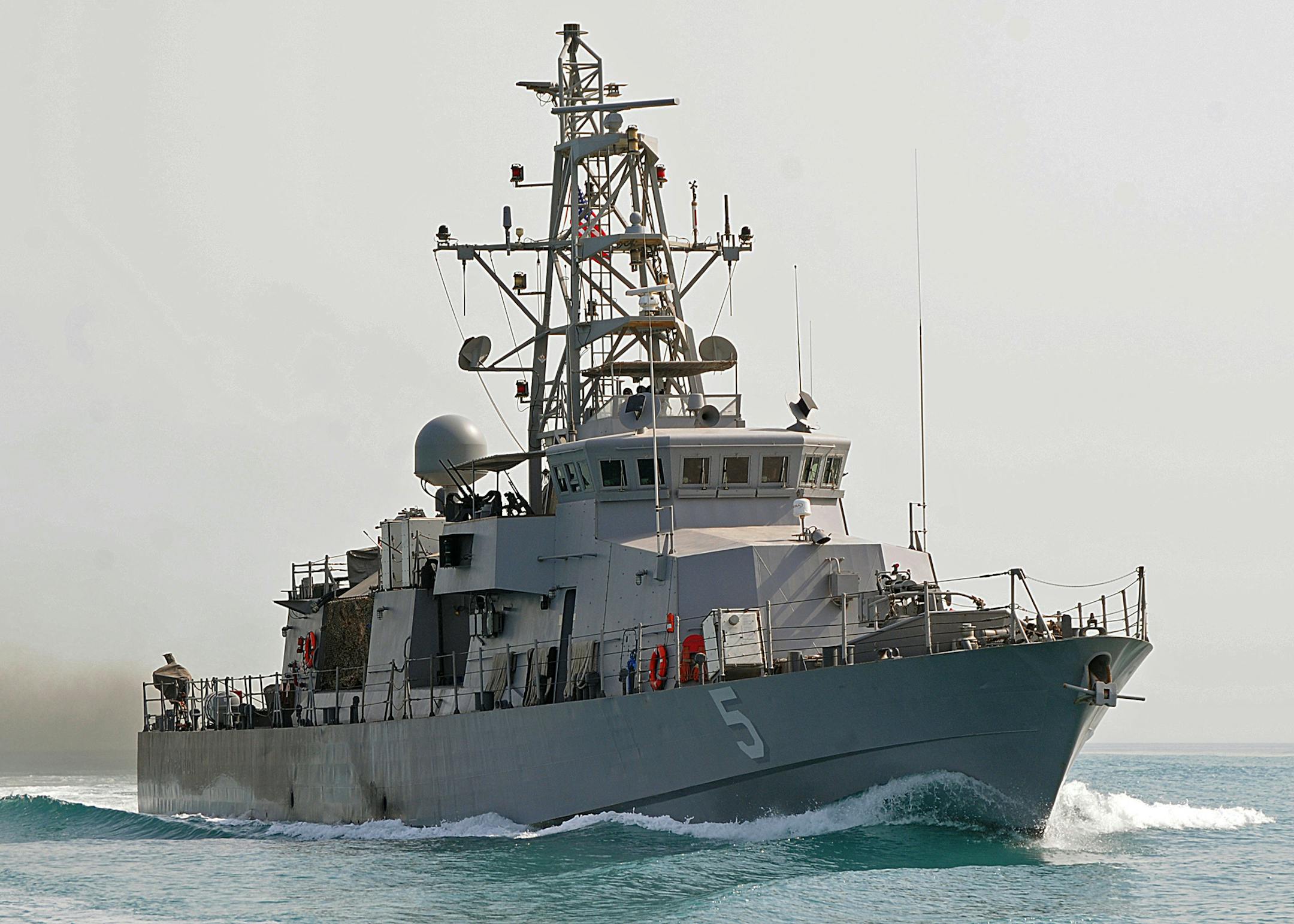
As the world worries about the increasing threat from North Korea's dangerous leader Kim Jong Un, there is a temptation to believe that the problems will be solved ashore. South Korea is exploring a return to the so-called sunshine policy of using trade and engagement incentives to defuse the situation. The U.S. wants to deploy a new ground-based missile defense system. China is increasing its control over the notoriously leaky border.
All of these are prudent moves, but it is worth remembering that Korea is a long peninsula, with approaches dominated by the sea. So it is perhaps not surprising that China and Russia are pushing vigorously to stop the robust program of at-sea exercises the U.S. undertakes with allies in the region as a precondition for talks with North Korea.
While canceling some practice drills off the Korean coast may seem like no big deal, doing so would be one of the worst mistakes the U.S. could make.
It is important to understand just how vital it is to train at sea, in the demanding maritime environment itself, if we are to be prepared to operate effectively in a crisis. Sailors and their ships effectively rust in port, and the complexity of large-scale activities on the oceans demands weeks of training individually for each ship, followed by weeks of working together.
The recent collision of the U.S. destroyer Fitzgerald with a container ship off the coast of Japan reminds us how inherently difficult it is to operate on the high seas. Our Navy ships typically train for over a year in U.S. waters before deploying forward. Working with other navies — given language, cultural and operational differences — adds another layer of difficulty.
There are five key maritime tasks ahead of the U.S. military.
First, as the Trump administration seeks to control escalation and find a way for diplomacy to succeed, we need to gather intelligence effectively. That work can best be done from international waters by the U.S. Navy's stealthy submarines and Arleigh Burke-class destroyers equipped with Aegis combat systems.
Second, sea power is also vital for enforcing sanctions against North Korea, including those passed unanimously last week by the U.N. Security Council. Over 90 percent of non-Chinese trade for North Korea moves across the oceans, and our ability to stop it matters deeply.


