

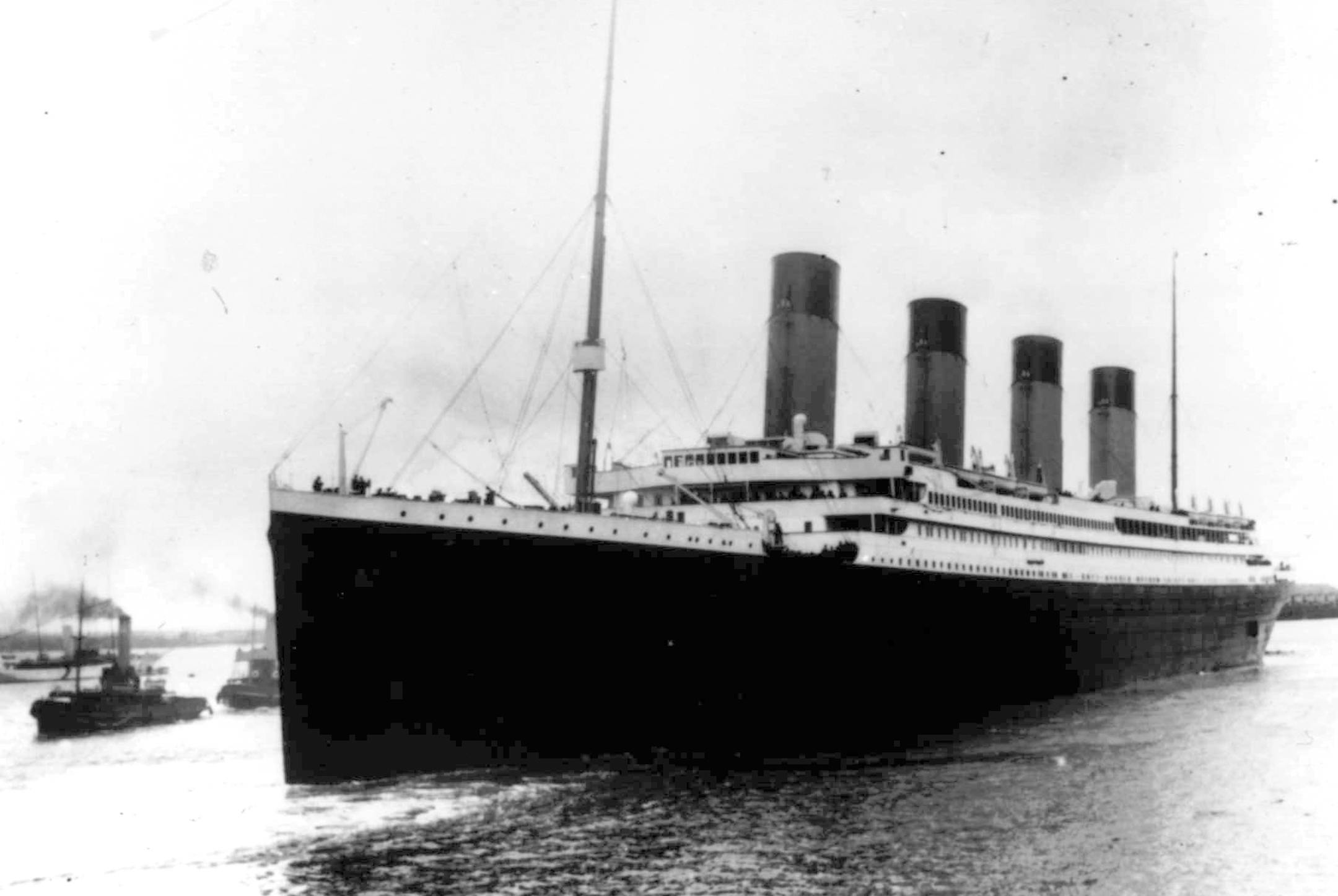
LONDON – Maybe it wasn't just the iceberg.
Ever since the Titanic sank more than 104 years ago, killing more than 1,500 men, women and children, mystery has swirled around the tragedy. No one doubts that the ship collided at high speed with an iceberg off the coast of Newfoundland.
But a new documentary posits that the demise of the ship may have been accelerated by a giant coal fire in its hull that appeared to have started as long as three weeks before it set off on its fateful journey to New York from Southampton, England.
In the documentary, which was broadcast on Channel 4 in Britain on New Year's Day, Senan Molony, an Irish journalist who has spent more than 30 years researching the Titanic, contends that the fire, in a three-story-high bunker next to one of the ship's boiler rooms, damaged its hull, helping to seal its fate long before it slammed into the iceberg.
"It's a perfect storm of extraordinary factors coming together: fire, ice and criminal negligence," he argues in the documentary, "Titanic: The New Evidence." "The fire was known about, but it was played down. She should never have been put to sea."
Molony's potential breakthrough can be traced to an attic in Wiltshire, England, where an album of photographs chronicling the ship's construction and the preparations for its maiden voyage had been gathering dust for more than a century.
The photographs were discovered by a descendant of a director of the Belfast-based company Harland and Wolff, which built the Titanic. About four years ago, a collaborator of Molony's acquired the rare photographs of the ship, meticulously taken by Harland and Wolff's engineering chief before it left a Belfast shipyard.
When the two men looked closely at the images, Molony said, they were shocked to discover a 30-foot-long diagonal black mark on the hull's front starboard side, close to where the ship was pierced by the iceberg. An analysis by engineers at Imperial College London revealed that the mark was most likely caused by a fire in a coal bunker of the ship.


