

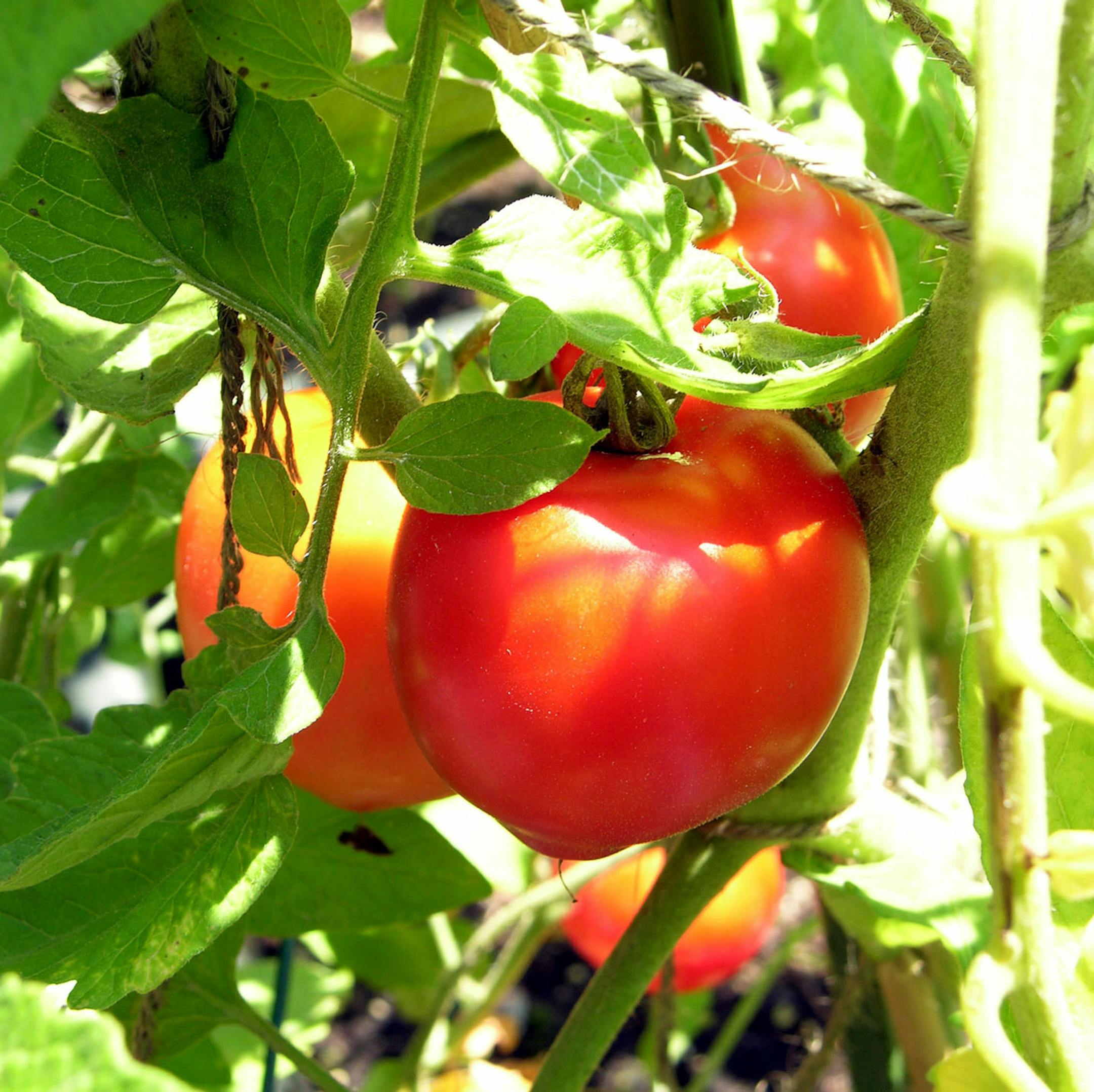
The one thing Minnesotans dream most of during the snowy winter months: tomatoes. Juicy, ripe tomatoes fresh from the garden.
After what seemed like a very long winter, gardeners have been heading to the nurseries in a panic to plant. Before you do, take a deep breath, then take this little refresher course in tomato basics.
Determinate or indeterminate
If you want to can tomatoes or make sauce, a determinate variety is best. Determinate tomatoes reach a certain size and stop growing. Their more manageable size makes them good candidates to plant in small spaces. They tend to ripen within the same time frame, which gives you a good number of tomatoes to work with all at once.
Indeterminate tomatoes, on the other hand, keep growing and producing throughout the season. They can sprawl up to 10 feet, so they need to be supported with cages or stakes and ties. These tomatoes are best sliced for sandwiches and salads or frozen to eat later.
Hybrid or heirloom
Hybrids are a cross between two varieties that have been selected for their superior traits. Size, days to maturity and disease resistance are just a few of the qualities that are considered in hybridizing tomatoes. Heirlooms are old-fashioned tomatoes that come directly from seed.
The difference between them? In general, hybrids offer vigor and productivity, while heirlooms offer a wide variety of shape and color and, most important, great taste.
Time and temps
Many gardeners plant on the average last frost date, which is around May 15 in the Twin Cities metro area. But soil temperature is just as important as air temperature. And, in a cool spring like this one, it may take longer for soil to warm. Fifty-five degrees is the minimum soil temperature for successful tomatoes. To check the temp, you can buy a soil thermometer at your local garden center or pay close attention to the weather forecasts.
Planting in raised beds or containers is one way to get a jump on tomato planting because the soil in them will be warmer much sooner. If you use a container, be sure it's large enough for the full-grown plant. (The rule of thumb is to plant determinate tomatoes in a container at least 18 inches in diameter, 24 inches for indeterminates.)


