

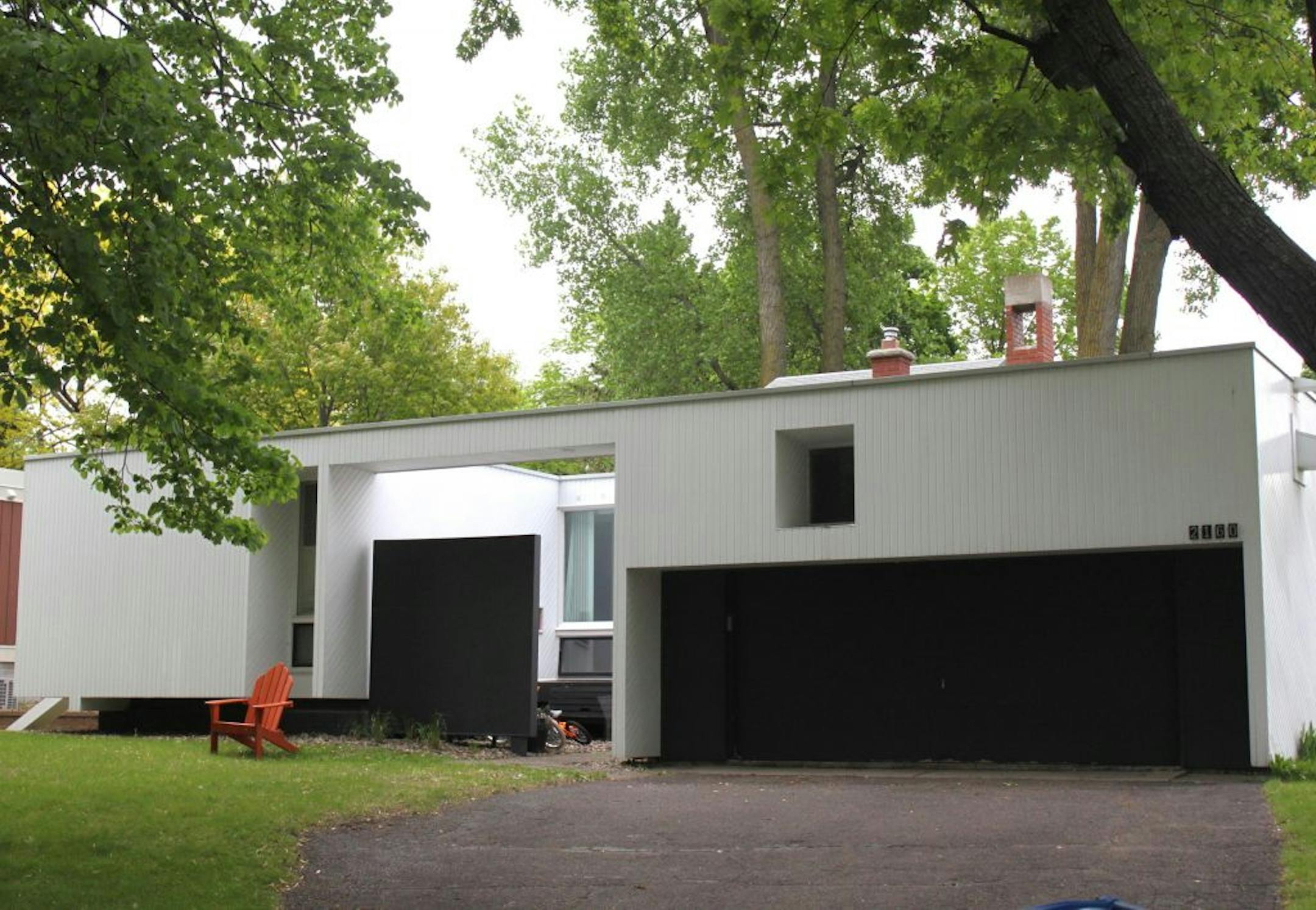
The Twin Cities area boasts many historically significant neighborhoods. But only one, University Grove, has been declared "an architectural time capsule of modern America" by the New York Times.
The eight-block community in Falcon Heights still contains its original vintage homes, designed by a who's who of local architects.
"It's a wonderful little pocket of mid-century architecture," said Aleah Vinick, program specialist for the Minnesota Historical Society, which will lead a tour of the neighborhood and some of its homes next month.
University Grove, tucked into a corner next to the University of Minnesota's St. Paul campus, was sort of an early version of a planned community.
In the 1920s, the U, which still owns the land, set the area aside as a residential enclave for professors, administrators and their families. Landscape architects designed the neighborhood with central commons areas, to give children a safe place to play.
And while the 103 houses that eventually were built there varied in style, they were required to be comparable in size and scale, and to be designed for their site by an architect.
During its construction heyday between 1930 and 1970, University Grove became sort of a laboratory for architects, particularly modernist ones. The neighborhood's oak-lined streets feature the work of many noted architects, including Ralph Rapson, Elizabeth and Winston Close and Edwin Lundie.
Next month's tour is a rare opportunity to get a guided look at the Grove, as part of the Minnesota History Center's "History Crawl" series.


