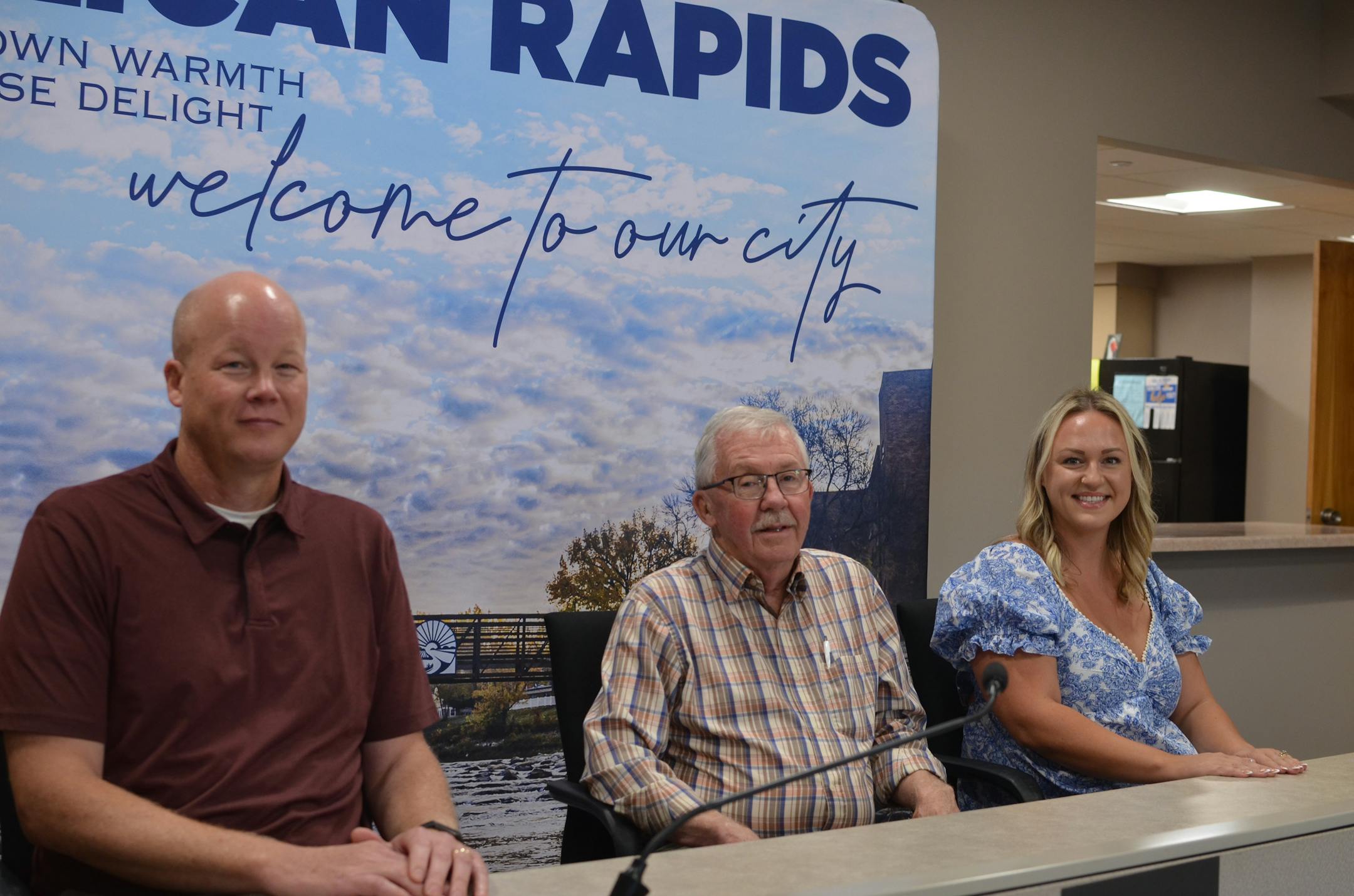
Griffin Peck fielded the questions from the Pelican Rapids City Council with ease. They were nothing Peck hadn’t heard before.
No, the solar panels wouldn’t blow off the roof during storms. Yes, ice and snow would collect on them, but both melt as the panels heat up in the sun. No, pests have never been an issue and, yes, they can be easily removed and reattached if you need to patch a leak or replace the shingles.
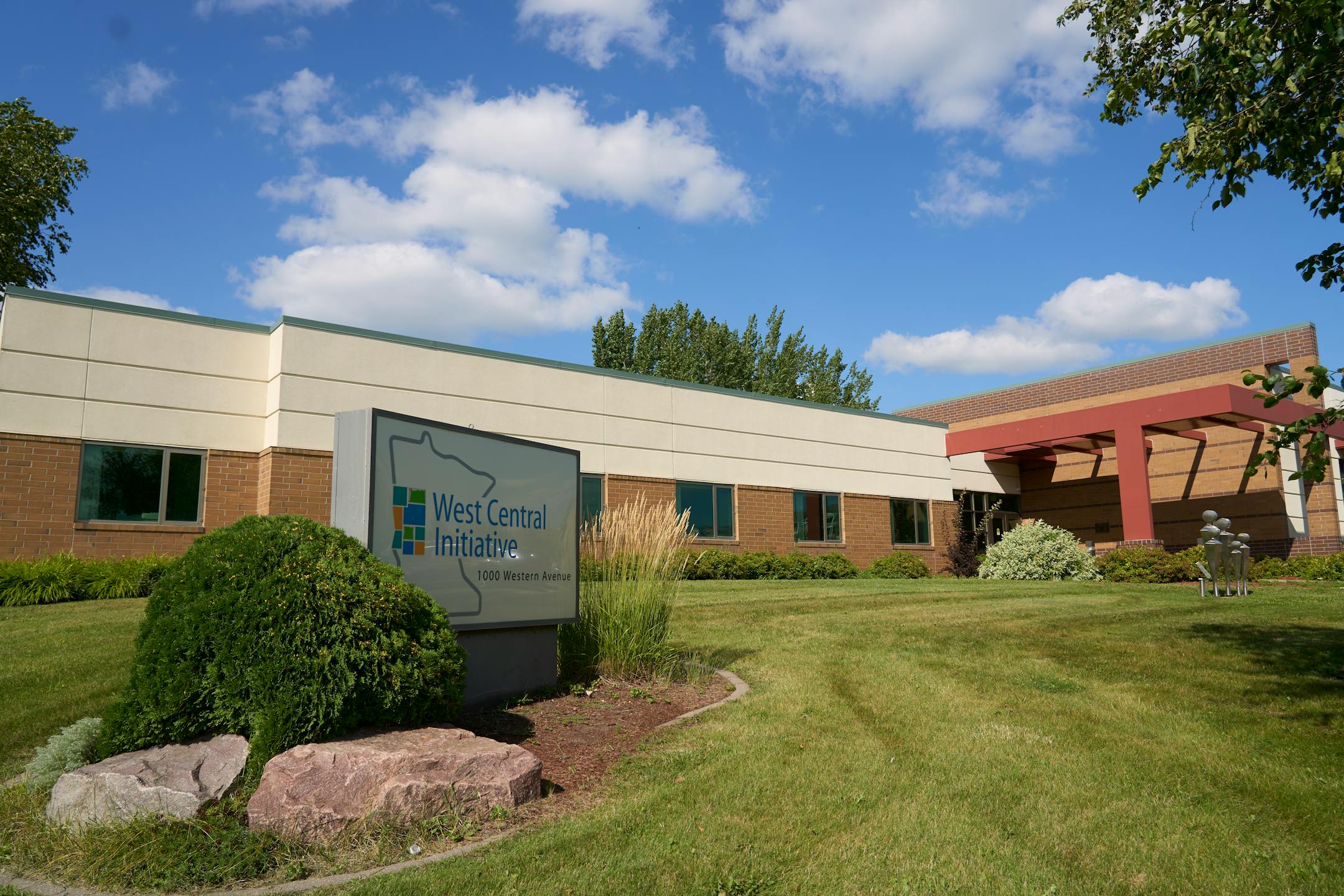
The scene unfolded during a public meeting in July as Peck, who works for West Central Initiative, a regional planning organization, and Jess Grondahl, chief operating officer of Fargo-based Holsen Solar, attempted to quell the council members’ concerns.
Over the past year, Peck has been trying to persuade Pelican Rapids and other western Minnesota cities to install rooftop solar on municipal buildings.
The council members needed to act quickly, Peck told them, or they’d lose out on generous tax incentives established by the Inflation Reduction Act. Those subsidies likely would become unavailable for any project that doesn’t begin construction by next year, after Congress amended the law earlier that month.
Still, Pelican Rapids City Council Member Steve Strand wasn’t buying it.
“I don’t know, I just,” Strand replied with hesitation. “I’m just not into the solar stuff. It’s not pretty.”
Then Peck and Grondahl showed them the numbers — Pelican Rapids would save more than $180,000 over 40 years on its electrical bill, about $4,500 every year. And because of the federal tax credits, a zero-interest loan from West Central Initiative and a rebate from their local utility Otter Tail Power Company, Pelican Rapids wouldn’t pay a dime up front and would start making money from the solar system in less than two years.