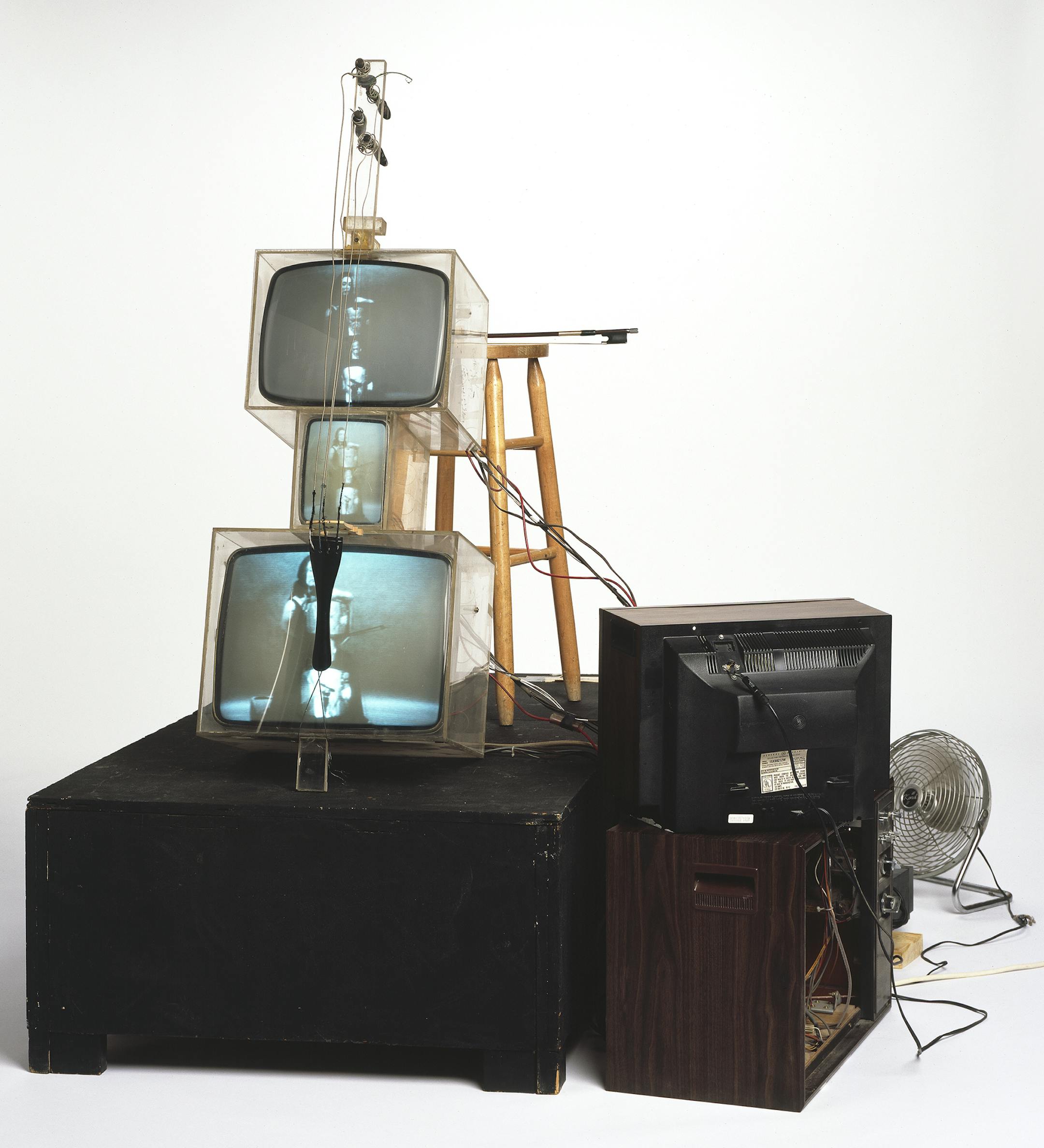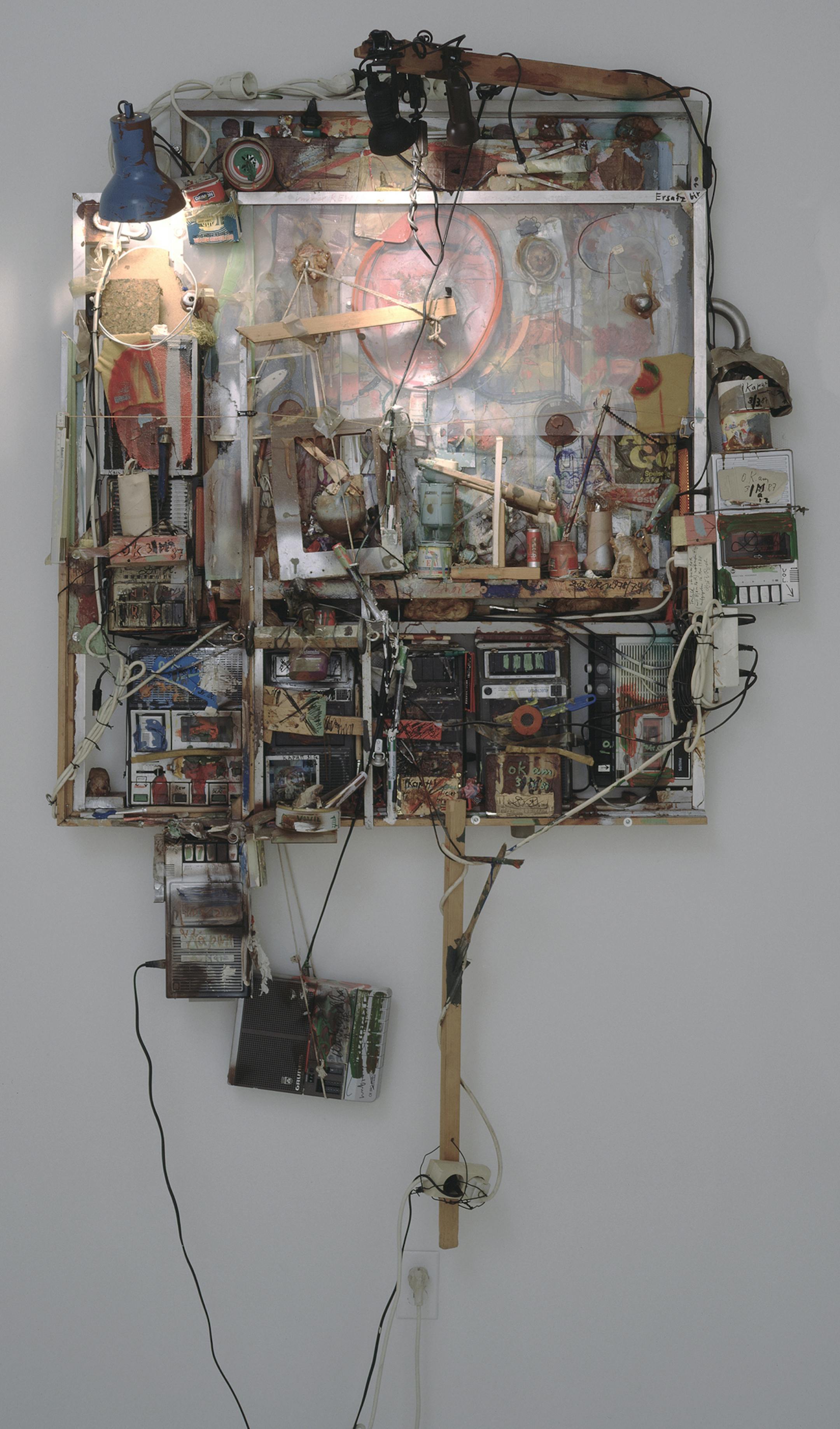
The 100-plus artists in Walker Art Center's new show, "Art Expanded, 1958-1978," came of age in turbulent times. Their youthful decades were marked by wars, protests, assassinations, civil unrest, miniskirts, sexual revolution, psychedelia and general nose-thumbing-at-authority. Caught up in the ferment, the artists shaped — and were shaped by — the freewheeling, anti-establishment attitudes of the moment.
Many were affiliated with the Fluxus movement, an international cadre of artists, musicians and intellectuals including stars like Yoko Ono and a galaxy of less familiar names. Intent on democratizing art, they tried to merge it with everyday life and liberate it from the "marketplace," meaning collectors and museums. Iconoclasts at heart, they aimed to jettison a High Culture that revered framed paintings, pedestaled sculpture, symphonic music and dancing en pointe.
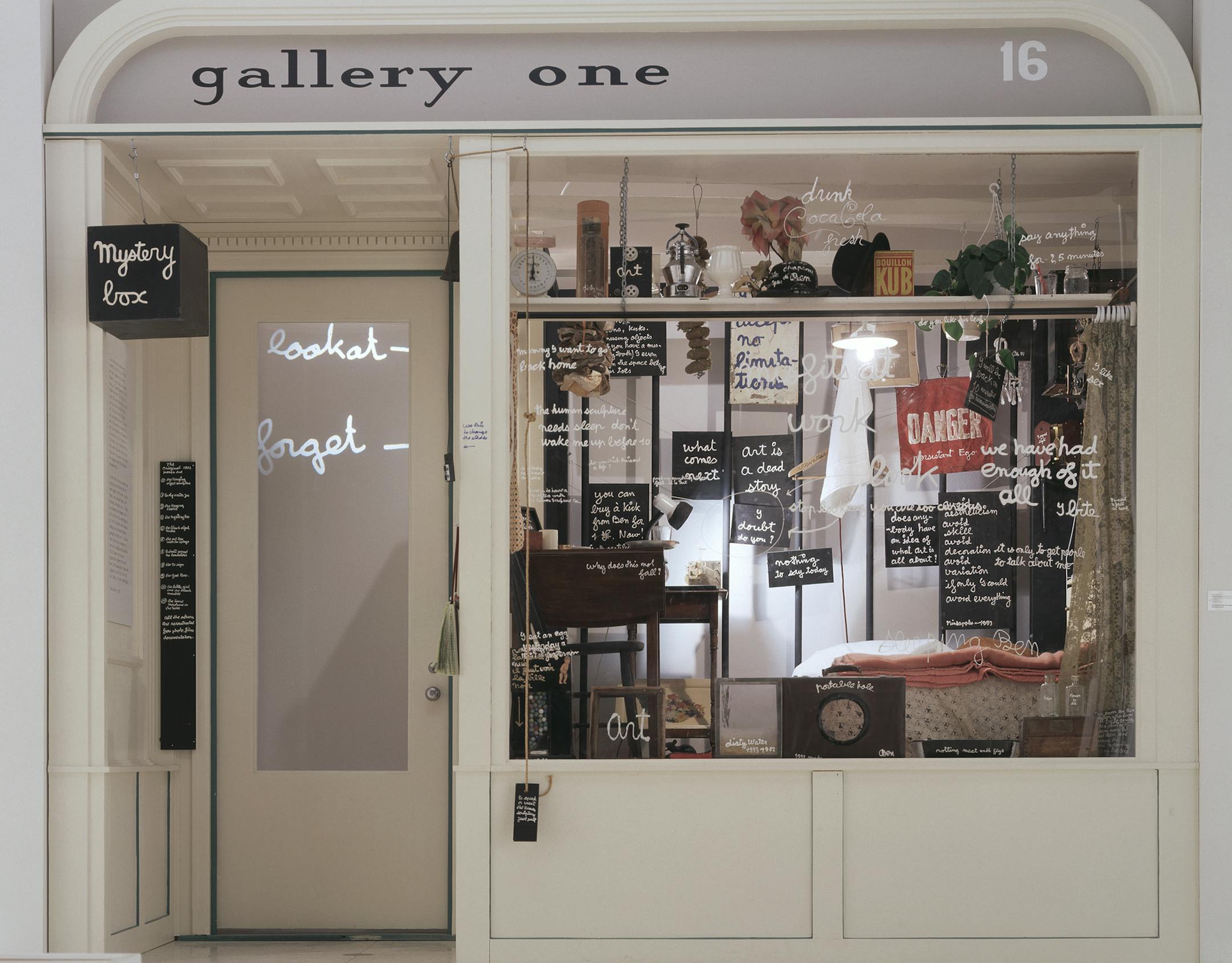
Their assault on the status quo was full frontal, exhibitionistic, sometimes violent, often noisy, frequently comic and generally anti-expertise. As seen here, they smashed violins (Ben Vautier, 1966) or painted them green (Joseph Beuys, 1974), shot paintings (Niki de Saint Phalle, 1964), danced flat-footed (Yvonne Rainer, 1978) and made steel-floor-tile sculpture that was meant to be walked on (Carl Andre, 1968). For a London "Festival of Misfits" in 1962, Vautier folded his life into his art — the Fluxus ideal — by living for 15 days in a gallery display window.
All that carrying on generated a lot of ephemera that the Walker scooped up for its collection. The show fills about a third of the center's galleries and includes more than 350 paintings, sculptures, broadsides, videos, sound pieces, installations and memorabilia that curator Eric Crosby deftly researched and arranged.
Cult curios
Most of the stuff is rarely displayed because it's too fragile, light-sensitive (newspapers, letters) or technologically problematic. Many of the light and sound pieces require bulbs, colored gels, amplifiers, tubes and wiring that must be sourced from specialty shops — or junk stores — when they need replacing.
To preserve the originals, the Walker's tech crew typically digitizes old films, videos and audio recordings for exhibition purposes, as they have here. Still, the vintage equipment must be displayed, and that's part of what makes "Art Expanded" such an odd exhibition, important and fascinating to historians of art and culture but likely to puzzle or bore the uninitiated.
Much of this stuff was never meant to be preserved. While the events were doubtless provocative at the time, the ephemera often seems mundane, musty, mystifying or quaint now.
Even Vautier's legendary display window is here — not the real thing but a 1992-93 re-creation that he fabricated for the Walker as an avant-garde period room. It is cluttered with mid-20th-century relics (alarm clock, radio, crocheted bedspread) but without Vautier living there the room is as inert as an empty stage set or a shrine to a cult deity. Beuys' nearby sled is even more cultish. Fitted out with a blanket, flashlight and glob of dried fat, it symbolically references the German artist's much mythologized exploits as a World War II pilot who claimed to have survived a crash in Crimea. Even embellished with that dubious back story, the 1969 "Schlitten (Sled)" remains an art world "Rosebud" over which enlightened cognoscenti nod reverently while the rest pass by unmoved.