

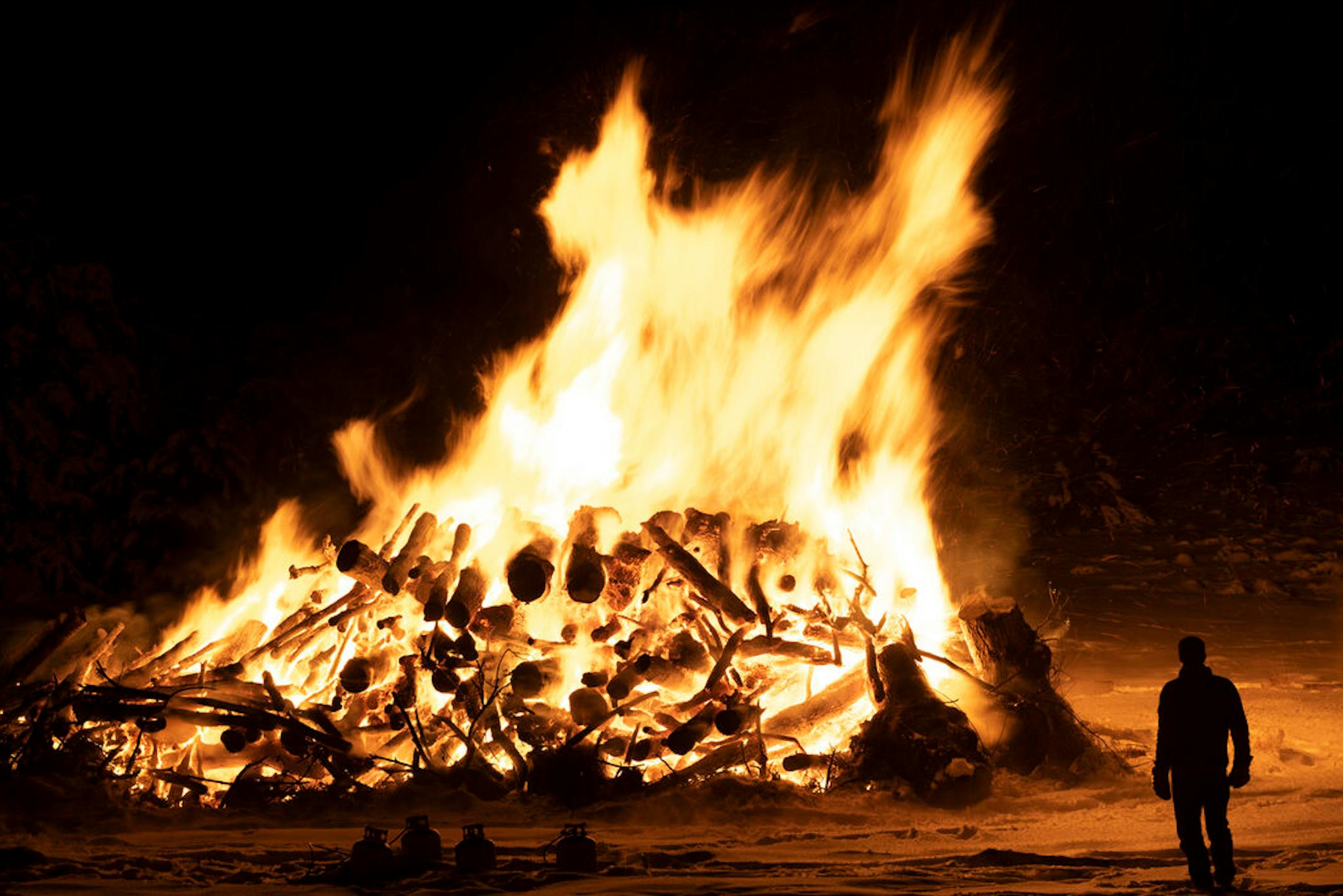
The winter solstice is Saturday, bringing the shortest day and longest night of the year to the Northern Hemisphere — ideal conditions for holiday lights and warm blankets.
For those who would rather have more sunlight, you can try to make your way to the Southern Hemisphere, where it is summer. Or be patient: Starting Sunday, days will get a little bit longer in the Northern Hemisphere every single day until late June.
These annual changes in sunlight as the Earth revolves around the sun have been well known to humans for centuries. Monuments such as Stonehenge in England and the Torreon at Peru's Machu Picchu were designed in part to align with solstices.
Here's what to know about how the Earth's march around the sun splits up the year.
What is the solstice?
As the Earth travels around the sun, it does so at an angle. For most of the year, the Earth's axis is tilted either toward or away from the sun. That means the sun's warmth and light fall unequally on the northern and southern halves of the planet.
The solstices mark the times during the year when the Earth is at its most extreme tilt toward or away from the sun. This means the hemispheres are getting very different amounts of sunlight — and days and nights are at their most unequal.
During the Northern Hemisphere's winter solstice, the upper half of the Earth is tilted away from the sun, creating the shortest day and longest night of the year. The winter solstice falls between December 20 and 23..
