It was a ritual for many young rock fans now in their 30s and 40s. And, boy, was it dumb.
Pink Floyd's "The Wall" somehow became the ultimate midnight movie in the '80s. You can probably guess what that entailed. If it wasn't showing at a movie theater whose operators tolerated patrons taking a really long time adding up their money at the popcorn counter, it would be showing at somebody's house whose parents were cool enough to buy a VCR -- but they also had to be clueless enough to let kids come over and watch a Pink Floyd movie late at night.
And talk about dumb: I'm still amazed to this day that the Como Planetarium, operated by the St. Paul School District, actually hosted Pink Floyd laser-light shows in the '80s. The district might as well have just come up with its own brand of rolling papers for fundraising.
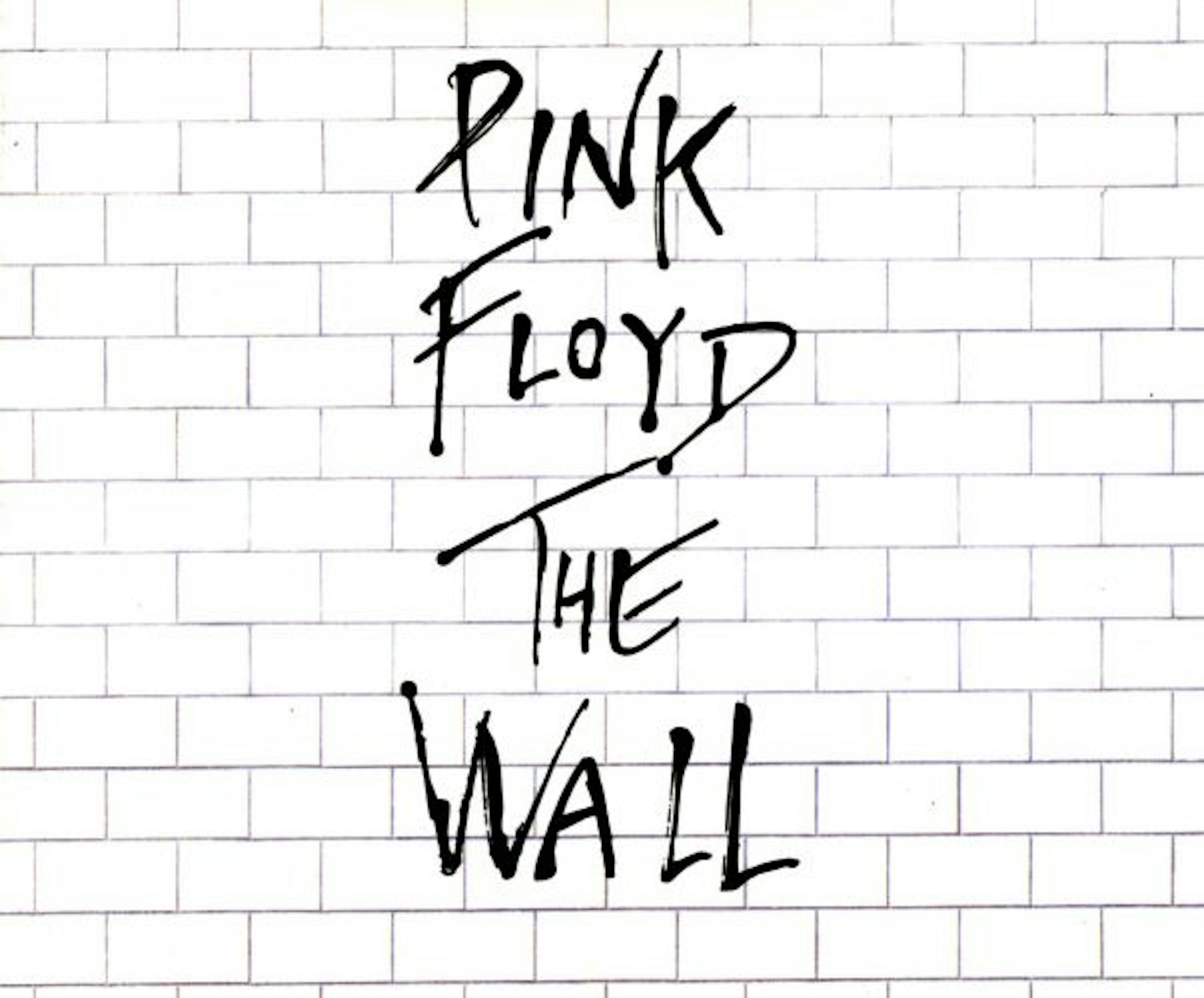
To this day, though, the biggest example of idiocy surrounding "The Wall" is the idea that it was tailor-made for stoners. The original 1979 double-LP album of "The Wall" is actually a dark, depressing piece of work. Throw in Gerald Scarfe's animation and Bob Geldof's shaved eyebrows, and the 1982 movie was dark, depressed and creepy and disturbing.
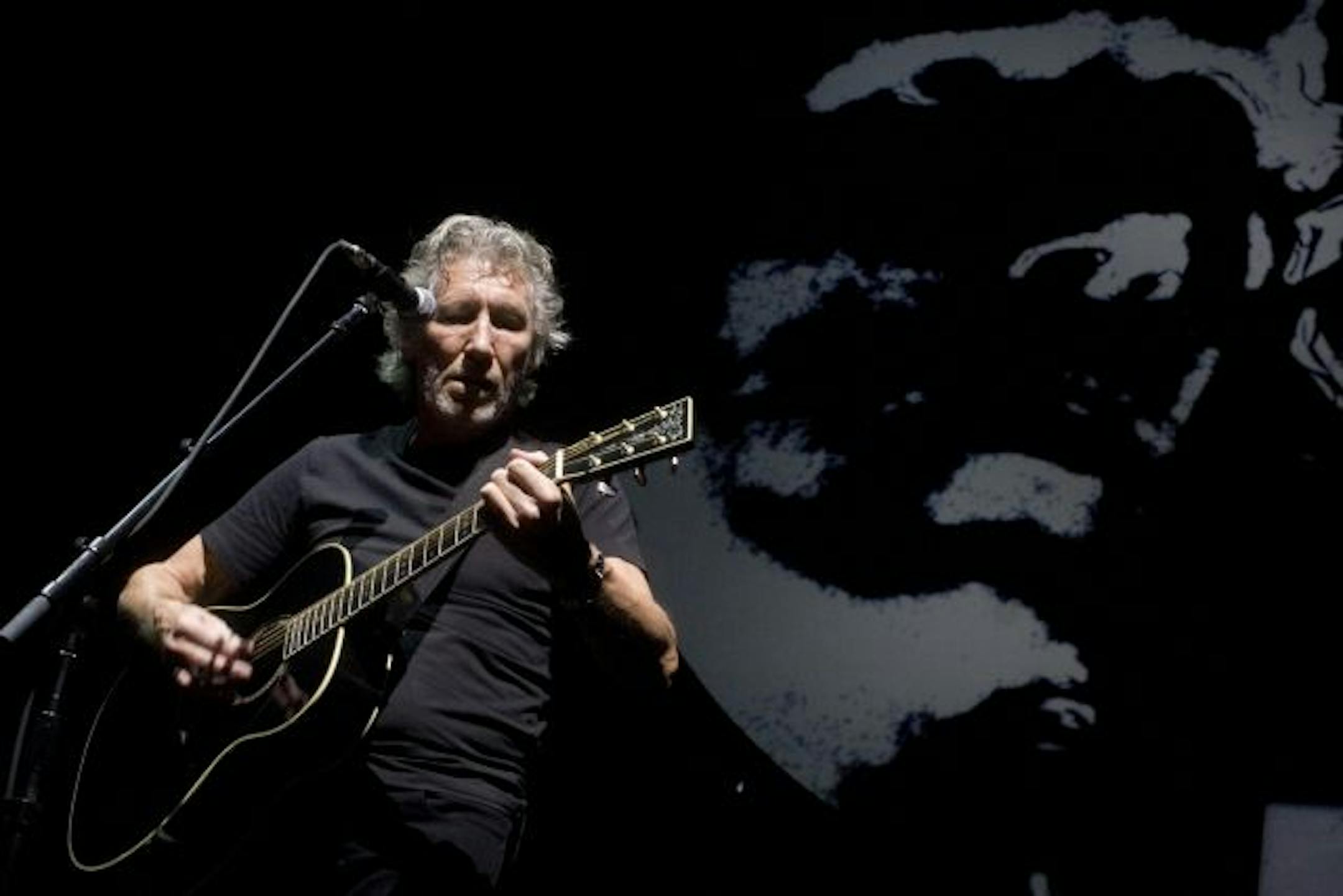
Now that Roger Waters is restaging "The Wall" on an ambitious, surround-sound tour coming Wednesday to Xcel Energy Center in St. Paul, it's becoming clearer that Pink Floyd's visionary frontman wrote the songs based on his war-torn London childhood, the death of his father in the war, struggles with substance abuse, the dark side of touring and the demise of his marriage and his band. He is updating those themes on tour with examples of more recent scars of war.
Yeah, not exactly party-hardy material.
"Clearly, there was a reason that I thought of building a wall between me and the audience," Waters, 67, told Rolling Stone at the start of the tour, not showing any lighter feelings toward the album 31 years later. "At some subconscious level, I recognized how frightened I was."
Here's a comparison of how the half-baked stoner interpretations of "The Wall" compare with the dramatic version that Waters actually had in mind when he wrote the songs.