

Opinion editor’s note: Strib Voices publishes a mix of guest commentaries online and in print each day. To contribute, click here.
•••
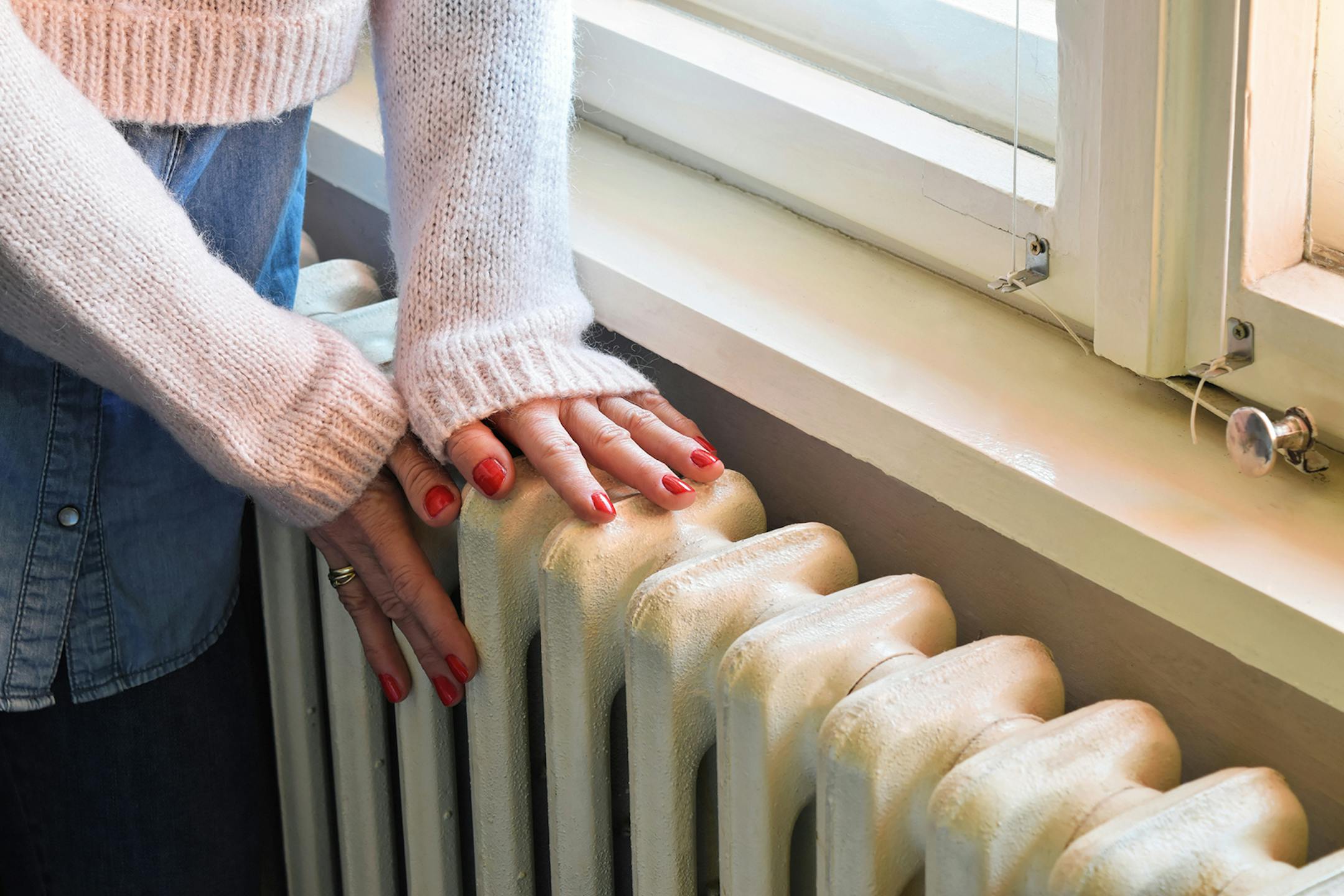
Good news for many who struggle to cover winter energy expenses: Minnesota’s Energy Assistance program is open for the season and providing heating heating assistance to Minnesota households, as it has for more than 40 years. Unfortunately, available assistance will fall far short of the need — and it’s not available at all during the summer, when households are most likely to face utility shut-offs. That’s why we are calling on the state of Minnesota to expand the program.
The federally funded Low-Income Home Energy Assistance Program provides vital relief during the winter months, helping families and individuals manage heating costs so they can stay safe and warm.
Roughly 500,000 Minnesota households are eligible for Energy Assistance, but only about a quarter of those households end up receiving assistance. Meanwhile, people have fallen further behind on their energy bills in recent years. Facing compounding pressures from inflation, the cost of housing and lingering effects of the pandemic, Minnesotans are now more than $100 million past-due to their utilities.
The consequences are real. More Minnesotans have had their gas or electric service shut off this year than any time in at least a decade. The majority of these shut-offs occur between June and September — after the Cold Weather Rule protections end, and when Energy Assistance is not available to help.
As our summers become hotter and more unpredictable, our state’s focus solely on heating leaves a dangerous gap. The absence of cooling assistance leaves thousands of Minnesotans — elderly people, young children and those with pre-existing medical conditions — exposed to severe health risks. This is more than an inconvenience; it is a public health issue.
According to the National Weather Service, extreme heat is now the deadliest weather-related hazard in the United States, claiming more lives annually than hurricanes, floods or tornadoes. This fact alone should spur urgent legislative action. Minnesota has already felt the effects of this trend, with summer temperatures hitting record highs and heat waves becoming more frequent and intense.


