

Consider the shoe buckle. Once so common it inspired nursery rhymes -- "One, two, buckle my shoe" -- it has fallen so far out of fashion that it seems only the Founding Fathers wore them in official portraits.
In its heyday, though, the ornament was such a big deal that English silversmiths and jewelers filed 27 patents for shoe buckle improvements in just one decade, 1779-90.
This is the sort of fun factoid to be gleaned from "A Handsome Cupboard of Plate: Early American Silver in the Cahn Collection" on view through March 24 at the Minneapolis Institute of Arts. Organized by the institute, the show will travel to museums in Kansas City, St. Louis and Williamsburg, Va., after its Minneapolis debut.
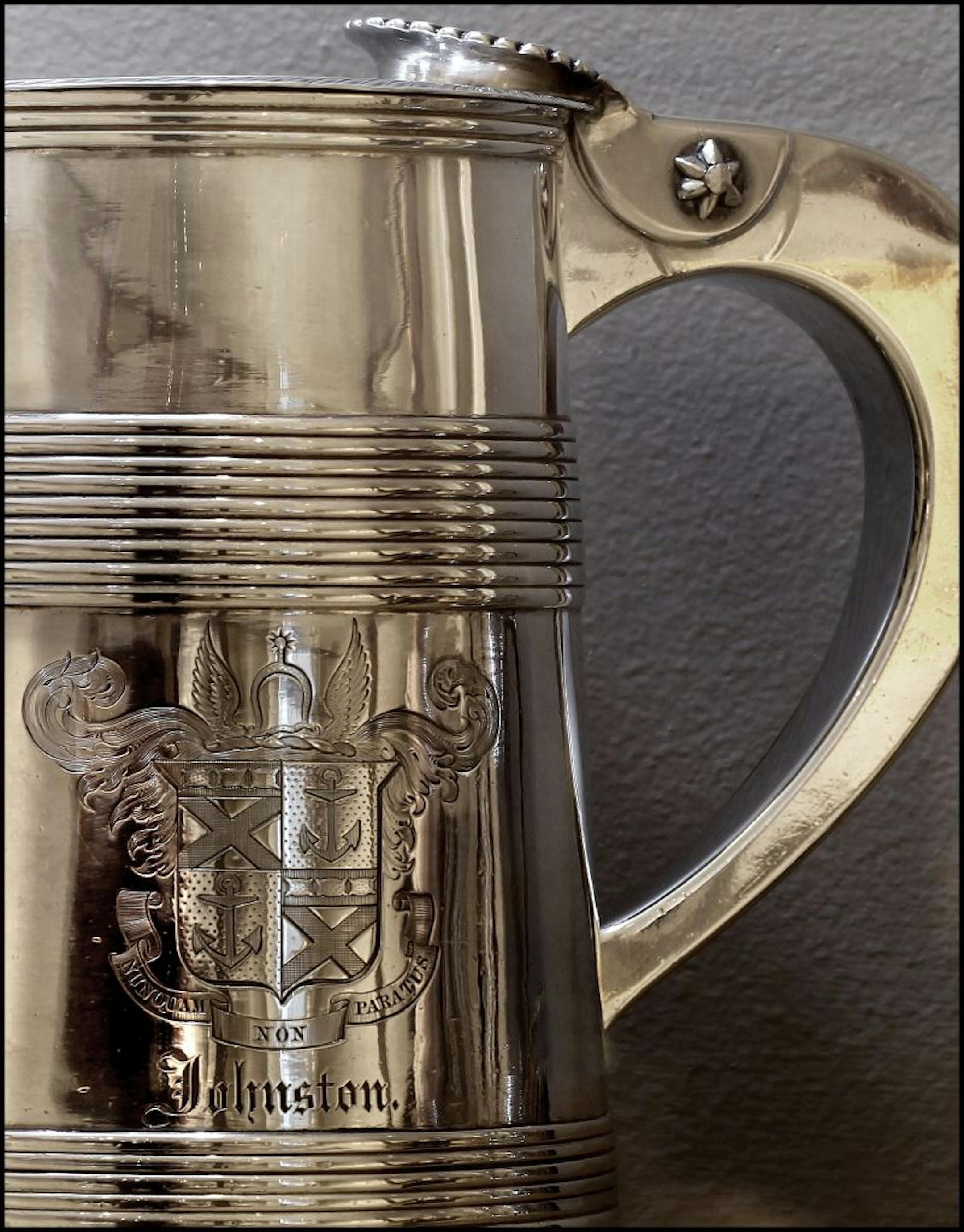
"Cupboard" is not, we hasten to say, a show about footwear. As its ponderous title suggests, it is, well, a handsome display of colonial era serving pieces -- tea and coffee pots, beer tankards, porringers, sauce boats, trays, candleholders -- handmade by some of the era's most distinguished craftsmen, including Paul Revere of Boston, Myer Myers of New York and the Richardson family of Philadelphia.
Each of the approximately 75 pieces dates to the 17th or 18th centuries, when ownership of such things was a mark of status. The wares were made by an eclectic lot of mostly European-born craftsmen -- English, French, Swiss, Dutch, German -- who worked side by side with "apprentices and unnamed journeymen, skilled indentured servants, free blacks, and slaves," according to the show's scholarly catalog.
Silver "plate," as the whatnots were called, was prized for its malleability and intrinsic value. In tough times it could be sold to pay debts or taxes. Objects that got damaged or went out of fashion could be melted down and redesigned in the latest style. Governments could, and often did, confiscate them to pay for wars or other extravagances.
While the pieces are up to 300 years old and made in America, the silver itself is older and better traveled.
"Most of the silver was mined in South America and sent to Portugal and Spain in the 15th and 16th centuries," said Eike Schmidt, the museum's curator of decorative arts and sculpture, who oversaw the installation. "From there it was exported to the rest of Europe and England, made into new objects and then shipped to the colonies," where it was remade yet again.


