

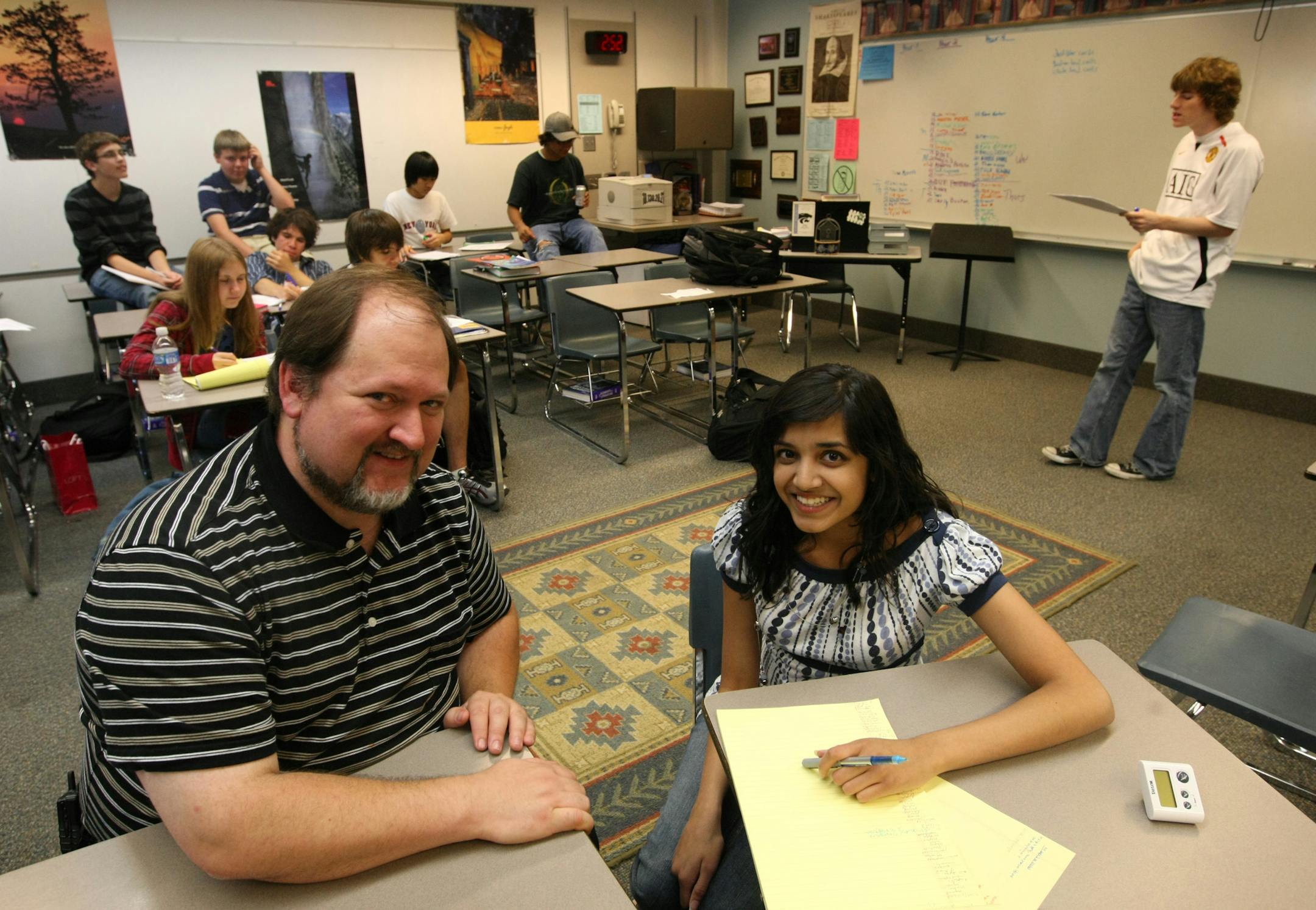
It's likely that many of Minnesota's 1,000-plus high-school debaters will be tuning into the presidential and vice presidential debates, the first of which will be held Friday between Sen. John McCain (R-Ariz.) and Sen. Barack Obama (D-Ill.).
It's even more likely that they'll hardly recognize what they're watching.
"Our presidential debates are media events that are forums at best, with the candidates primarily seeking a sound bite that will play out on the news the next few days," said Chris McDonald, whose Eagan High debate program is a perennial state-tournament powerhouse. "They've become very contrived. ... I don't even know why we bother."
Wayzata High coach Gail Sarff agreed: "They're more like question-and-answer sessions than real debates. We have more confronting, which leads to more clarity on what their positions are. I think it's good for younger debaters, ninth-graders, to watch. By the time they are seniors, they actually see that it's shallow."
High-school debates are markedly different, to be sure. In the most prevalent format, policy debates, only one topic is covered each school year. This year, it's alternative energy. "I'm sure our kids know more about alternative or renewable energy than any of the candidates," Sarff said. Within each round, there are cross-examinations, rebuttals and closing arguments.
Except for a town-hall format in the second presidential debate, the national clashes will feature eight 10-minute segments, each covering a different topic. That means, Sarff said, that the politicians "don't have to extend their analysis or face real cross-examination. Because of the rebuttals in our debates, there's a lot more chance for a speaker to say, 'This is our position and this is their position.'"
Meanwhile, tone and body language matter less in high school, the coaches say. Still, debaters have to play to their audience (i.e., the judges), Sarff acknowledged, and it's never a good idea to sigh while your opponent is talking, a la Al Gore in 2000.
Young debaters have to nail down the right combination of confidence, aggressiveness and succinctness, Sarff pointed out, and not drift into snarkiness. "One of the things we really work hard at teaching," she said, "is respect for your opponent."


