

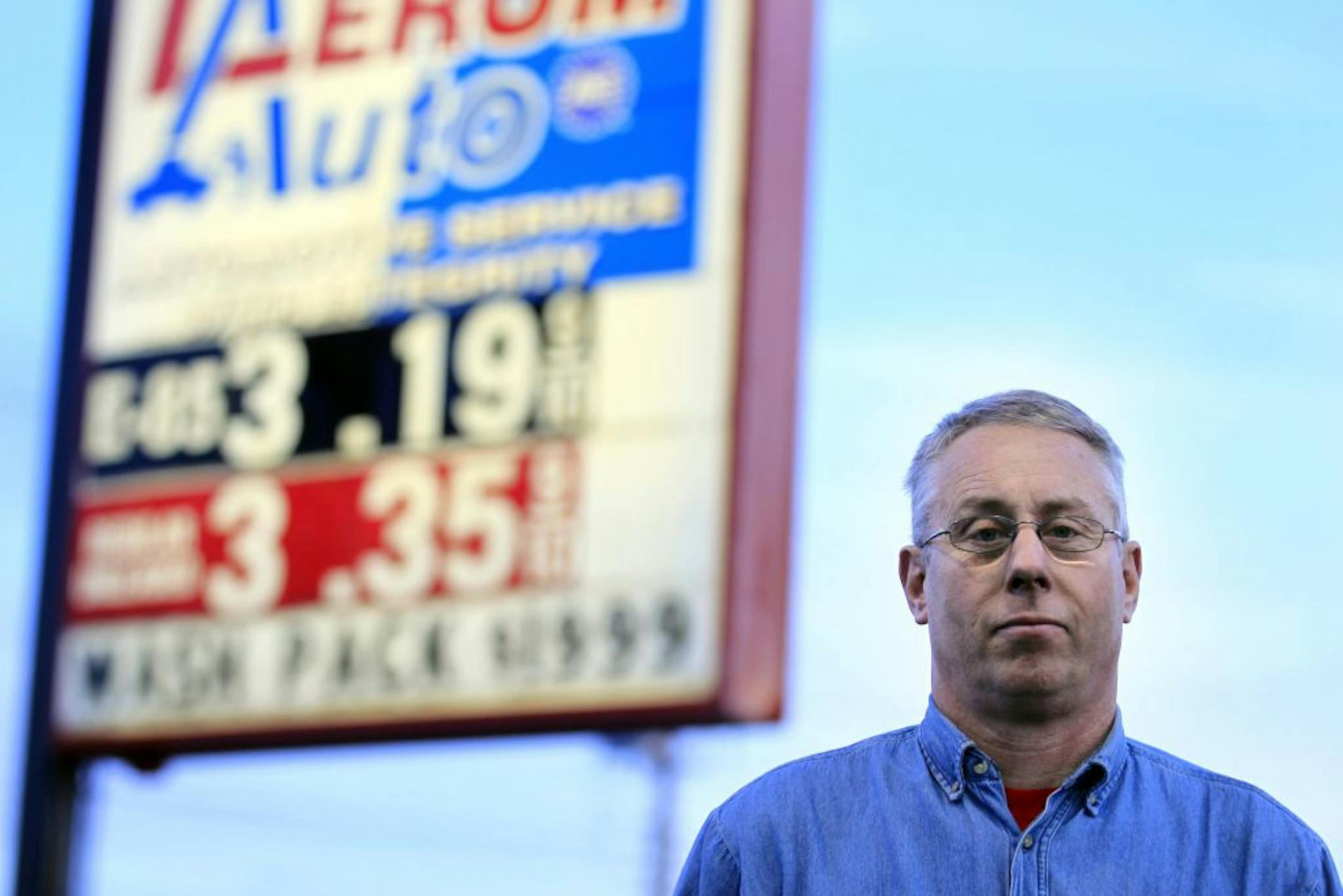
The high-ethanol fuel known as E85 has gained a small foothold in Minnesota in recent years, thanks in part to a subsidized price advantage and the presence of major producers and blenders in the state.
Now, the federal tax credit that boosted the industry is gone, raising questions about the fuel's future.
Without the 38-cent-per-gallon subsidy that went away Jan. 1, E85 prices are moving up. It's still cheaper than gasoline, but the shrinking difference may not be enough to compensate drivers who get fewer miles per gallon because of the fuel's lower energy content.
"E85 is going to have a tough road ahead of it," said Dustin Haaland, director of renewable fuels for CHS Inc., an Inver Grove Heights-based farmer-owned cooperative that is a major blender and retailer of ethanol under the Cenex brand.
The post-subsidy era also brings tough choices for owners of flexible-fuel vehicles, including the state of Minnesota, which has more than 3,000 vehicles capable of burning E85, and in 2010 used 963,000 gallons of it.
They must decide whether to support a fuel that is 85 percent home-grown ethanol even it it's no longer competitively priced. Minnesota is the nation's fourth-largest ethanol producer, and leads the nation with 364 retailers selling E85.
"We have our eyes open, and we are watching this," said Tim Morse, director of Minnesota's fleet. "We think it is too early to make any kind of decision right now."
Morse said he wants to see if the full 38 cents of lost E85 subsidy gets added to the state's fuel price. That could boost the state's annual E85 bill by $366,000.


![Attendees of Frostbike made their way through the convention Saturday at the Quality Bike Products campus in Minneapolis. ] (AARON LAVINSKY/STAR TRIBUNE) aaron.lavinsky@startribune.com Frostbike 2016 was held at the Quality Bike Products Campus on Saturday, Feb. 27, 2016 in Bloomington, Minn.](https://arc.stimg.co/startribunemedia/NH2BSHB74ND2V6GF2G2HI5X4MM.jpg?&w=252&ar=3:2&fit=crop)
