

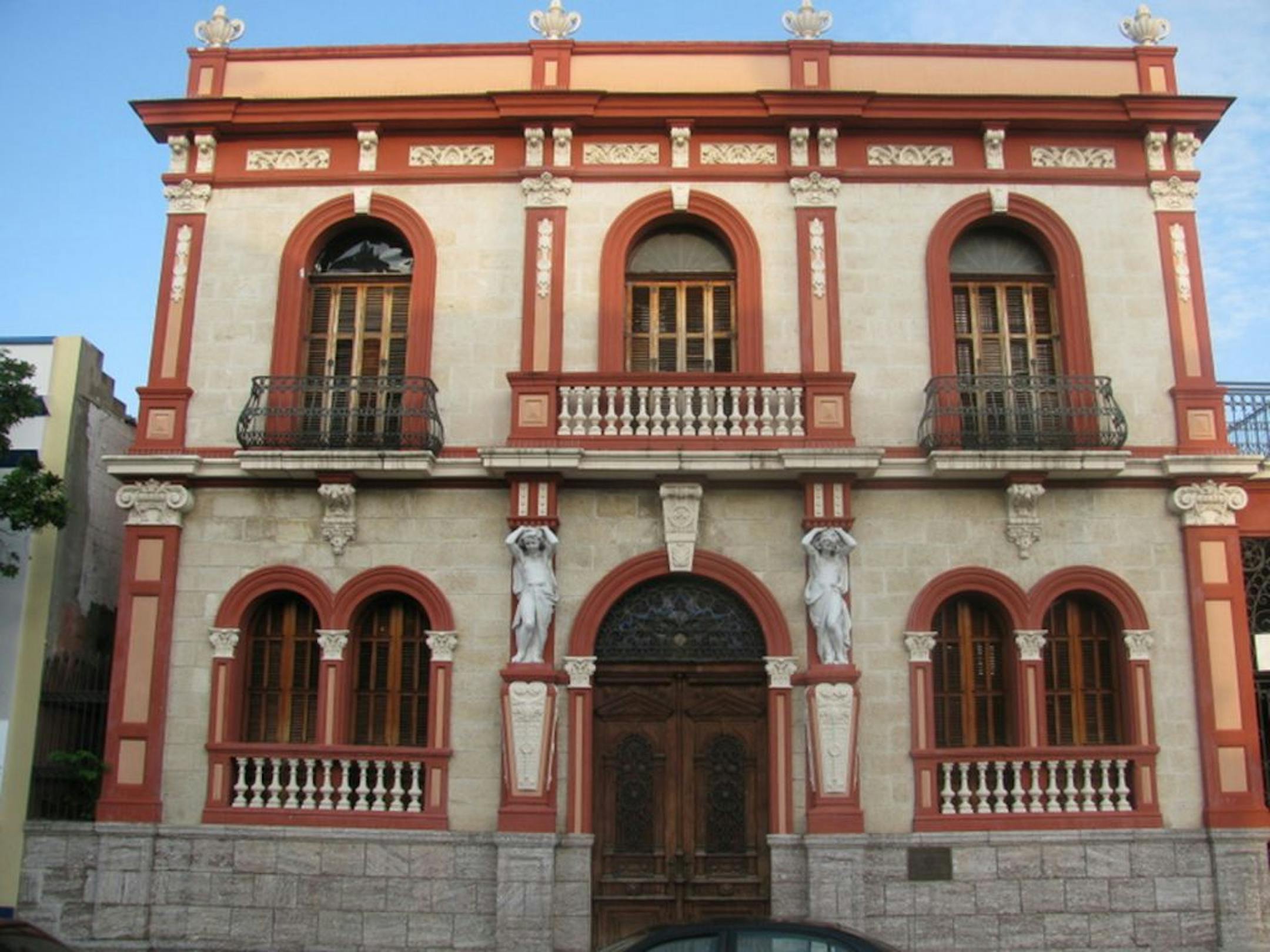
There was a time, not that long ago, when visitors to Puerto Rico's second-largest city were cautioned not to stray from the central plaza after dark. Many of Ponce's ornate 19th-century buildings were vacant and falling to pieces, and the poorly lit streets were made even shadier by some of the characters who roamed them looking for handouts -- or worse.
What a difference a few years make. Ponce has undergone a dramatic recovery that has restored its status as La Perla del Sur (The Pearl of the South) and made it a destination that rivals San Juan in culture and history.
Throughout the 19th century, Ponce was a thriving port town, attracting European and Latin American plantation owners, rum makers and merchants. Their wealth helped create a colonial cityscape of shady plazas and stunning architectural confections, combining rococo, neoclassical and Spanish revival styles. All that changed after the United States gained control of Puerto Rico in 1898 and centralized shipping operations in San Juan. A downturn in the local sugar and coffee industries followed. Thus began Ponce's long, slow slump.
But during the 1990s, a multimillion-dollar revitalization project was undertaken and the results today are dramatic. Historic homes have been restored and freshly painted in pastel shades of yellow, blue and green. Plazas have been spruced up and new parks built. Downtown is thick with pedestrians patronizing new shops and restaurants. A trolley transports tourists to points of interest around town.
The heart of Ponce is Plaza de las Delicias, a large, shady square containing the French neoclassical Catedral de Nuestra Señora de Guadalupe and the striking black-and-red striped pavilion, Parque de Bombas, originally an exhibit hall for the town's much-ballyhooed 1882 Exposition-Fair and now a museum devoted to the city's firefighters.
On one corner of Plaza de las Delicias, a colonial structure built in 1882 has been transformed into a full-service hotel by Ramada International. On another corner is the entrance to Paseo Atocha, a pedestrian street mall chockablock with shops selling clothing, housewares and electronics. The sidewalk is lined with street vendors beneath brightly colored umbrellas selling fresh flowers, lottery tickets and sundry tchotchkes -- a Yiddish word, actually, that means little pieces of bric a brac.
At the end of Paseo Atocha, just a few blocks from the plaza, is Nueva Plaza de Mercado Isabel II, a recently restored indoor marketplace built in 1863. Here, vendors sell fresh produce, meats and seafood. There are also several very good food stalls serving fresh fruit frappes, empanadas (fried meat or cheese turnovers) and heaping plates of savory rice and beans.
In the evenings, the plaza thrums with activity. On any given night, you might find a band playing salsa music, a street preacher saving souls or artists selling their wares. A testament to Ponce's rich history and deep cultural roots are the city's many museums, devoted to music, history and art. But the 800-pound gorilla in town is Museo de Arte de Ponce. Recently renovated and expanded to the tune of $30 million, the institution boasts an astonishing collection of 3,000-plus pieces of European and North American artwork spanning from the 14th century to the present. The museum specializes in Italian baroque, British pre-Raphaelite and Puerto Rican artworks.


