

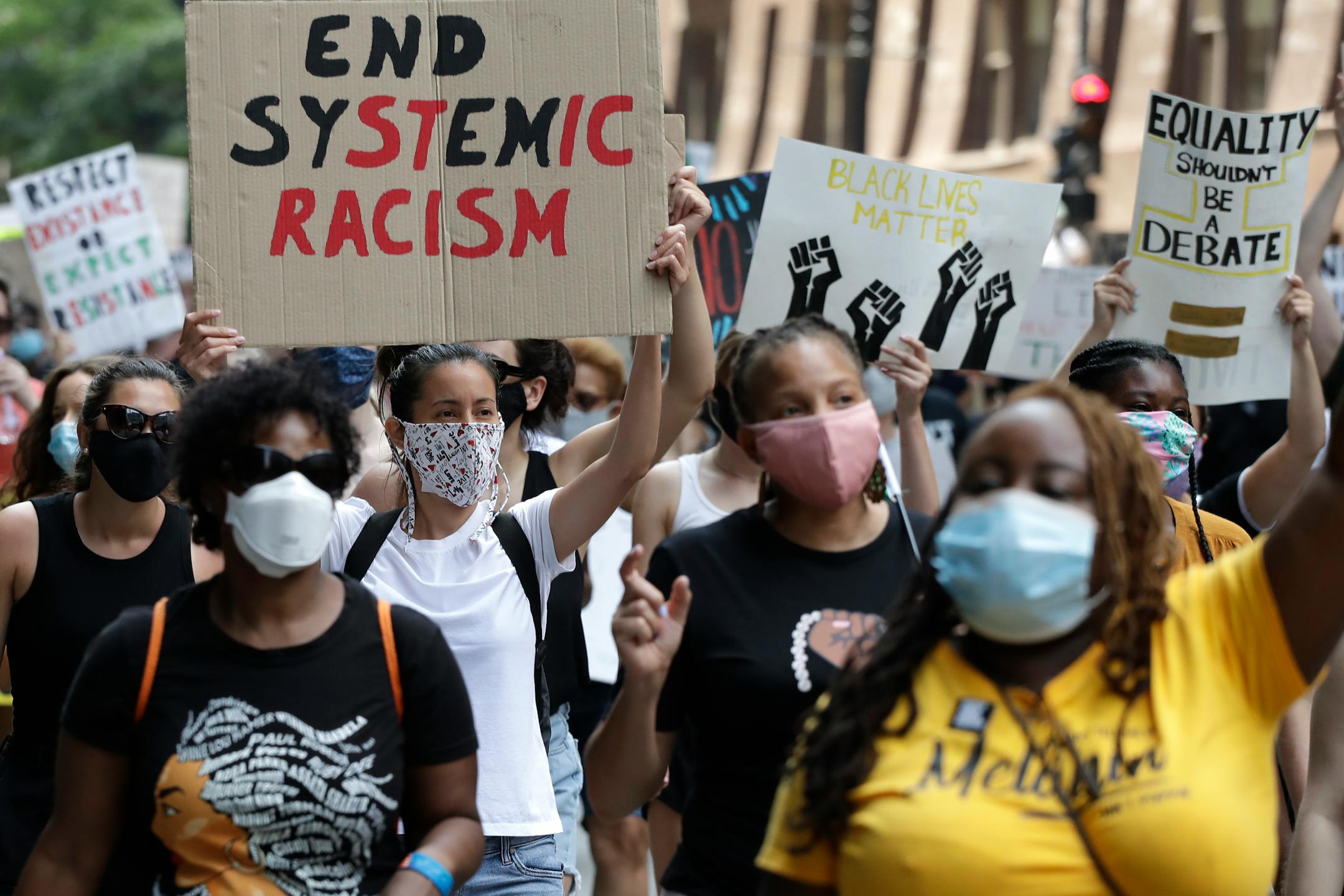
"It's past time for America to discard the left-wing myth of systemic racism," former Vice President Mike Pence said on a recent visit to New Hampshire. We should go a little further than that. Let's discard the phrase "systemic racism" altogether.
The chief function of that phrase is to make our political disagreements, already large, seem even larger than they are. The people who insist systemic racism is real and the people who deny it exists generally have different things in mind.
For the first group, it means something like "racial inequities that persist without requiring widespread, ongoing, conscious discrimination by individuals." The wealth gap between Black and white Americans is a case in point: It is in part a legacy of past injustice.
An education system where wealth lets you live in a neighborhood with good public schools then perpetuates that gap. No individual has to discriminate for the system to produce unfair outcomes.
The second group understands "systemic racism" to mean more than just that the effects of racism pervade our society. They regard it as an indictment of the U.S. as a country that is rife with intentional racism and racist in its essence. And they bridle at that indictment.
That's the way Pence used the phrase. Right before that sentence, he said, "Let me say, as my friend Tim Scott said with great effect on the national stage not long ago, America is not a racist country." He was referring to the South Carolina Republican senator's response to the State of the Union address.
"While we are not perfect yet," Pence added, "we ought to do justice to all the progress that has been made."
Pence spoke similarly during last year's vice-presidential debate, denying "that America is systemically racist," while also accusing his opponent Kamala Harris of making racial disparities in criminal justice worse when she was a prosecutor and California attorney general. The would-be fact-checkers at Snopes.com dinged Pence for the supposed contradiction, which dissolves upon taking account of the ambiguity of the contested phrase.


