

LONDON — Three scientists who discovered powerful techniques to decode and even design novel proteins — the building blocks of life — were awarded the Nobel Prize in chemistry Wednesday. Their work used advanced technologies, including artificial intelligence, and holds the potential to transform how new drugs and other materials are made.
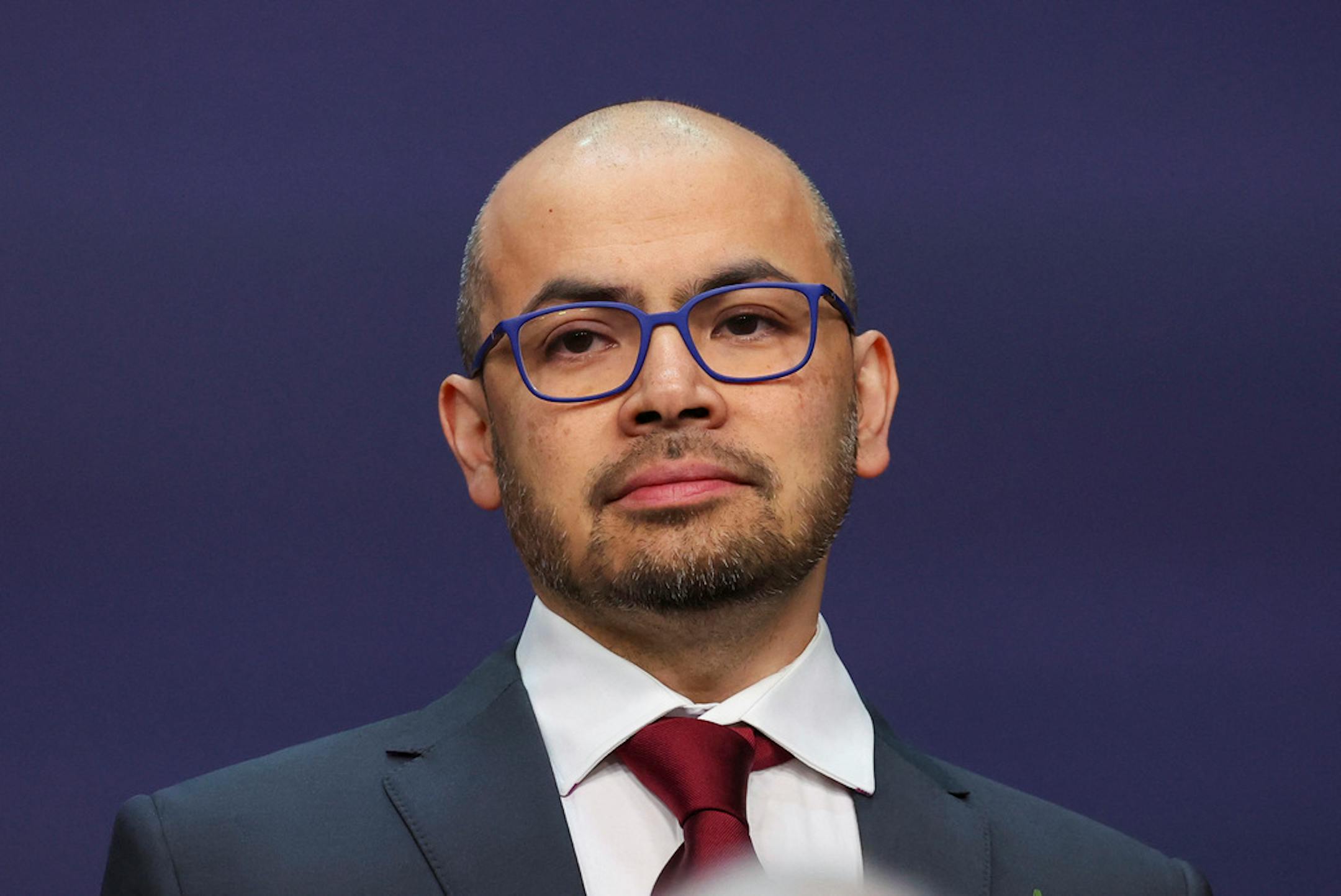
The prize was awarded to David Baker, a biochemist at the University of Washington in Seattle, and to Demis Hassabis and John Jumper, computer scientists at Google DeepMind, a British-American artificial intelligence research laboratory based in London.
Heiner Linke, chair of the Nobel Committee for Chemistry, said the award honored research that unraveled ''a grand challenge in chemistry, and in particular in biochemistry, for decades.''
"It's that breakthrough that gets awarded today,'' he said.
What is the 2024 Nobel Prize in Chemistry for?
Proteins are complex molecules with thousands of atoms that twist, turn, loop and spiral in a countless array of shapes that determine their biological function. For decades, scientists have dreamed of being able to efficiently design and build new proteins.
Baker, 62, whose work has received funding from the National Institutes of Health since the 1990s, created a computer program called Rosetta that helped analyze information about existing proteins in comprehensive databases to build new proteins that don't exist in nature.
"It seems that you can almost construct any type of protein now with this technology,'' said Johan Åqvist of the Nobel committee.
