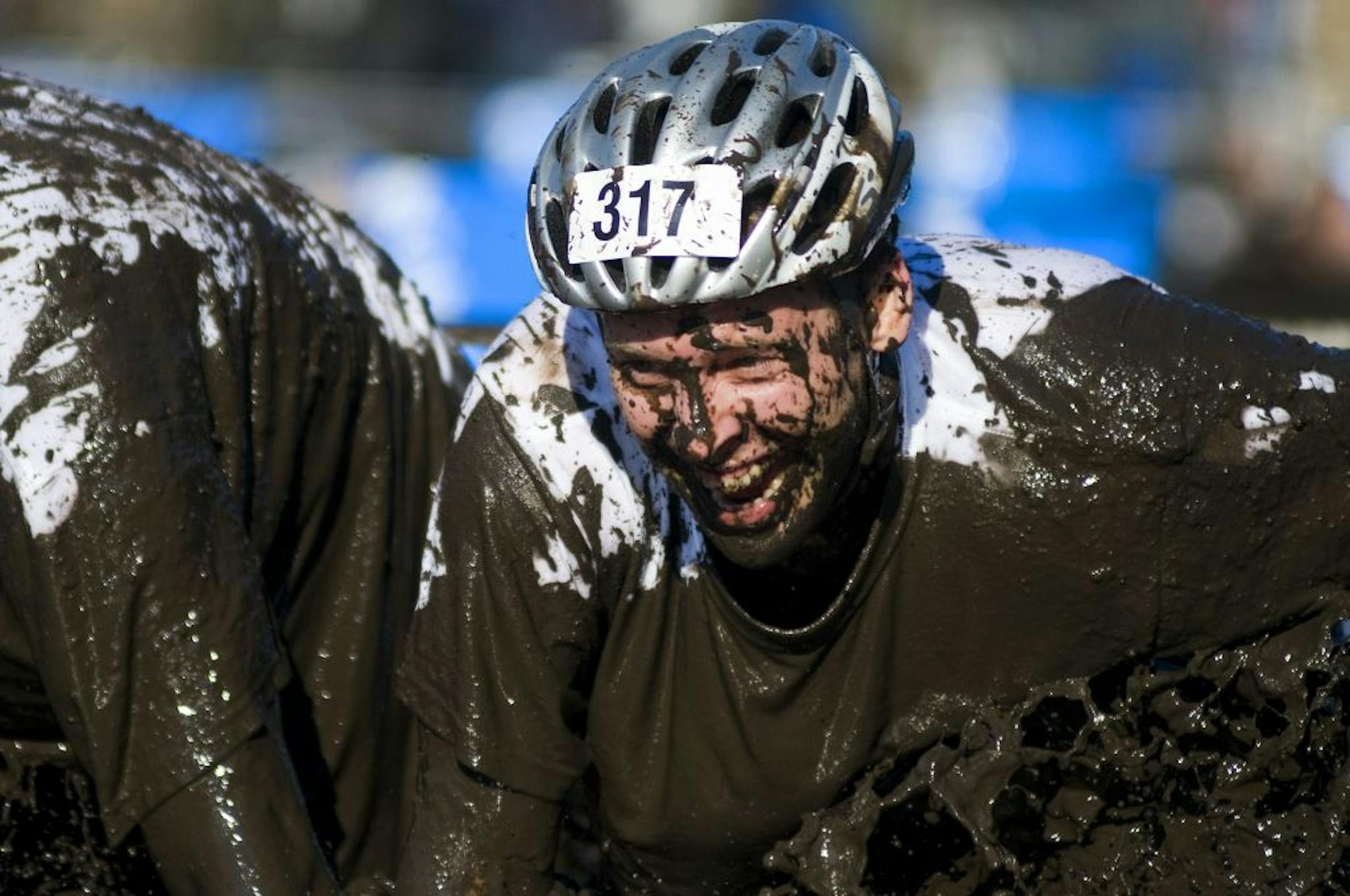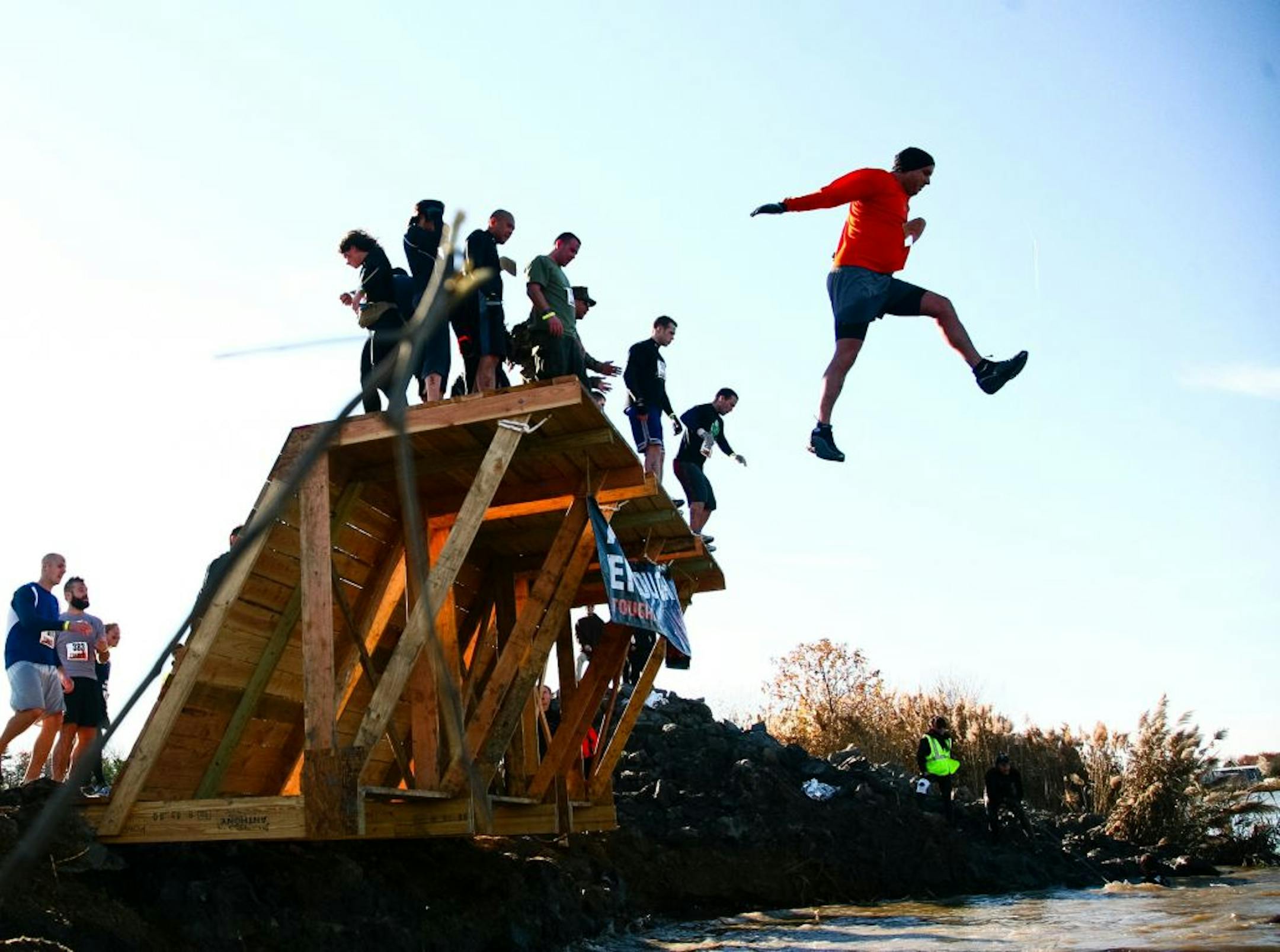
In a few days, Greg Ripley will be inching under barbed wire, climbing up cargo nets, clambering over junked cars and leaping through a pit of fire.
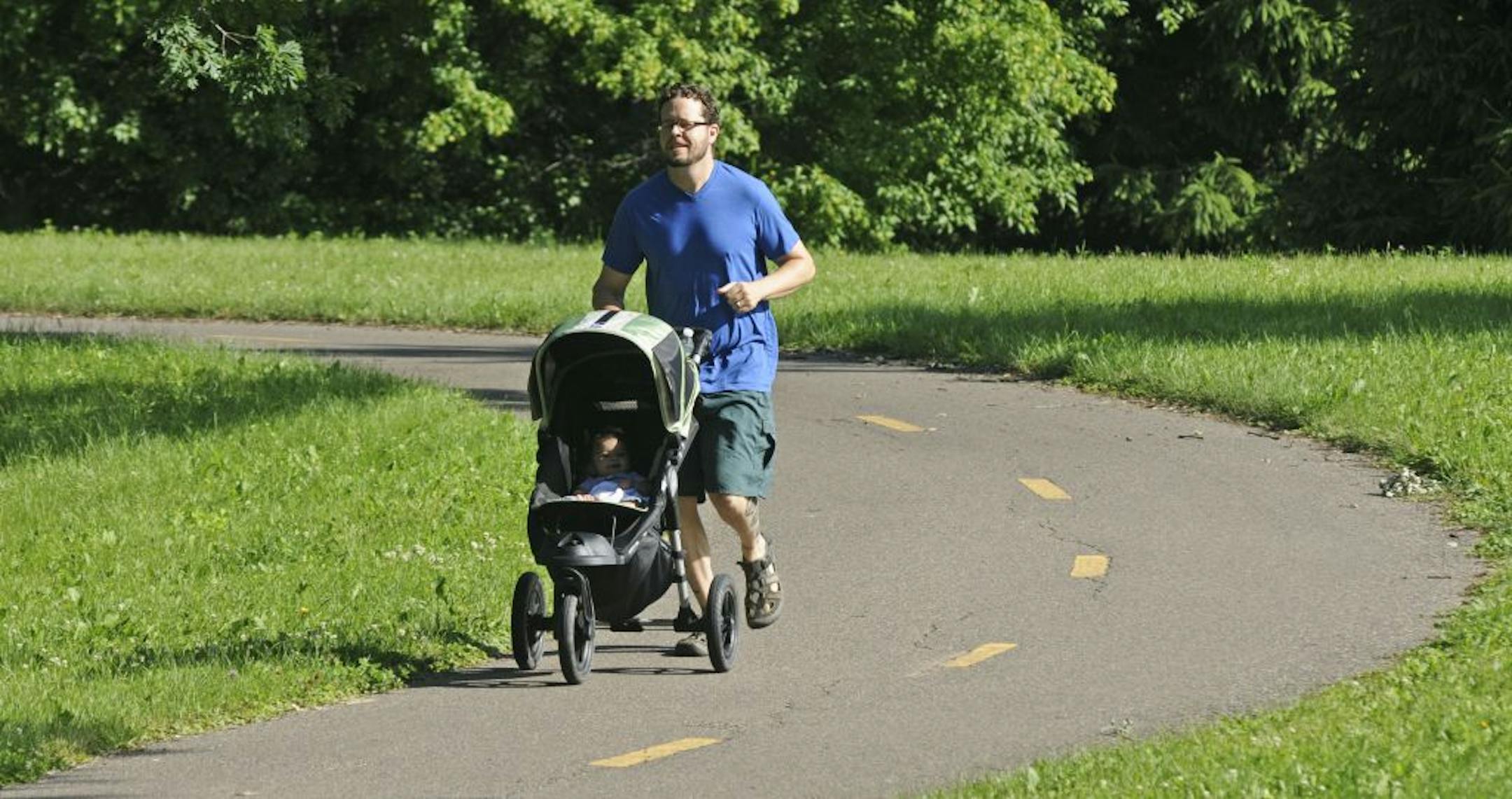
His training for this weekend's Warrior Dash has been a little more sedate: pushing his 6-month-old daughter's stroller during uphill runs.
Ripley, 38, of Minneapolis, is one of thousands of weekend athletes signing up for these boundary-pushing, ego-boosting events that are gaining popularity worldwide and have exploded in the Twin Cities area this summer. The races provide not just fitness challenges but all-out music festivals with spectators, food and costumes.
"I thought, what the heck?" Ripley said. "It looked crazy and fun -- and I heard there's beer at the end."
Called adventure racing, mud runs or obstacle course races, the events draw a mix of people -- gym fiends who are bored with their own workout routines, newbies who like the teamwork aspect of the events and thrill-seekers who want to star in their own version of TV's "Survivor."
"We like to push ourselves. It's our desire to reach our full potential as humans," said Greg Chertok, director of sports and exercise psychology at the Physical Medicine and Rehabilitation Center in Englewood, N.J.
A sense of accomplishment improves a person's mental health, especially when the completed task is perceived as particularly challenging or even impossible. "That sense of achievement is like a drug," he said. "It's addicting."
Pam O'Brien, executive editor of Fitness magazine, said that runners get bored with the smooth terrain and time-centered competitive atmosphere of an average 5K or triathlon. "Workouts can get old fast. You need to switch it up and do different things to make it fun. It's the anti-boredom factor."