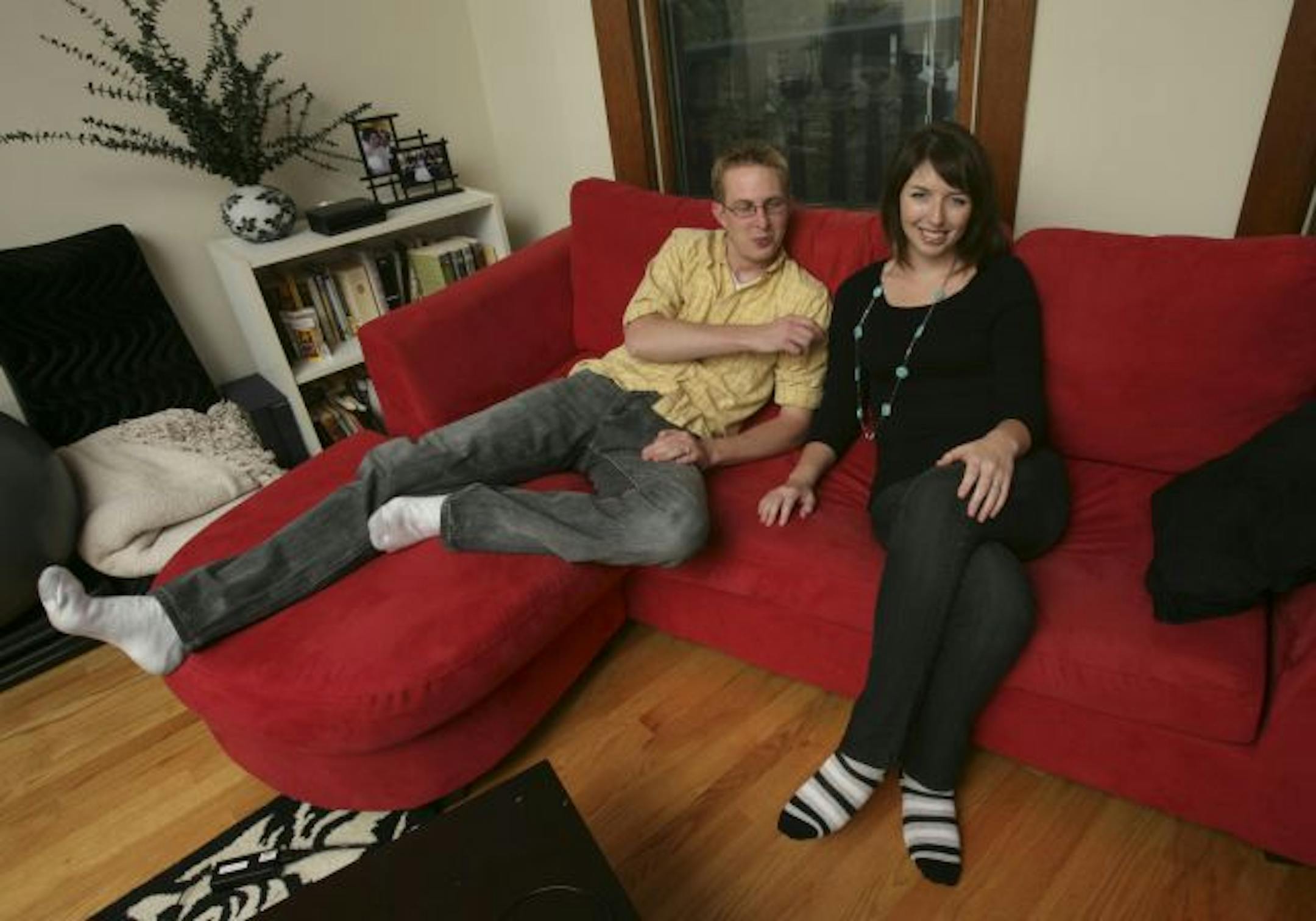
Andy Doran and Meghan Seawell, married last year, are getting some well-meaning pressure to buy a house. "The expectation is that's what you do," Seawell said. "People say, 'Now's the time to buy,' or tell us we're 'throwing money away on rent.'"
But the St. Paul couple don't see it that way. "We like the freedom offered by renting," Doran said, including having money for travel and being able to call the landlord when something needs fixing. They may buy a house in the future, but they're in no rush. Doran believes home prices are still too high, relative to other things. Seawell thinks a financial cushion is a higher priority.
"In this economy, I want to have money in savings," she said. "You're giving up so much to call a house your own, when you can't even call it your own for 30 years."
Renting used to be what you did until you could afford to buy. As soon as you had a steady job and cash for a down payment, you bought a home. It was a rite of passage, a milestone on the road to the good life. But the recession is forging a different perspective on homeownership.
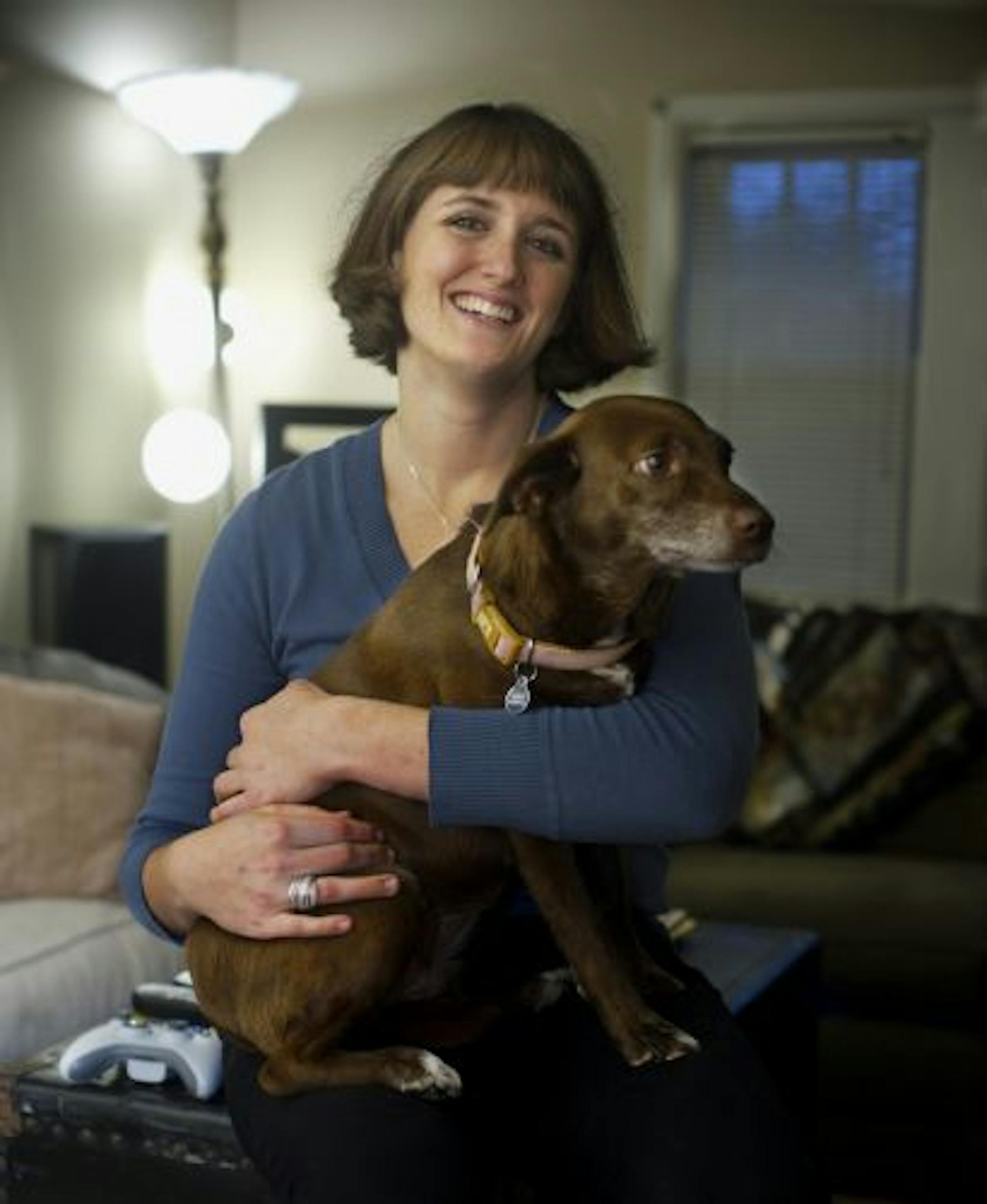
"I could buy," said Crystal Donelan of Minneapolis. "My friends have bought, and I realize that it's exciting. But it's not that tempting." Ownership brings added responsibilities and expenses, she said, and she likes knowing she can move whenever she wants to. "Somebody has to own, but it doesn't have to be me."
The house has long been the symbol of the American dream, said John Archer, cultural studies chairman at the University of Minnesota and author of "Architecture and Suburbia." But today, "younger renters are wisely realizing this is an unstable situation." Their wariness represents "a remarkable change in what the American dream is. This is the first crack in that, ever, that the American dream is not necessarily about acquiring a piece of property."
It's too soon to tell whether this is a short-term response to the struggling housing market, he said. But if it persists, "it's a landmark shift."
The recession has accelerated that shift, but the seeds were sown during the housing bubble, Archer said. "You couldn't watch HGTV without seeing 15 ways to flip a house, stage a house, redo a house to sell. It became a habitable product rather than your own personal dream space. When the house becomes a down-and-dirty investment, it erodes the whole idea of that dream."