

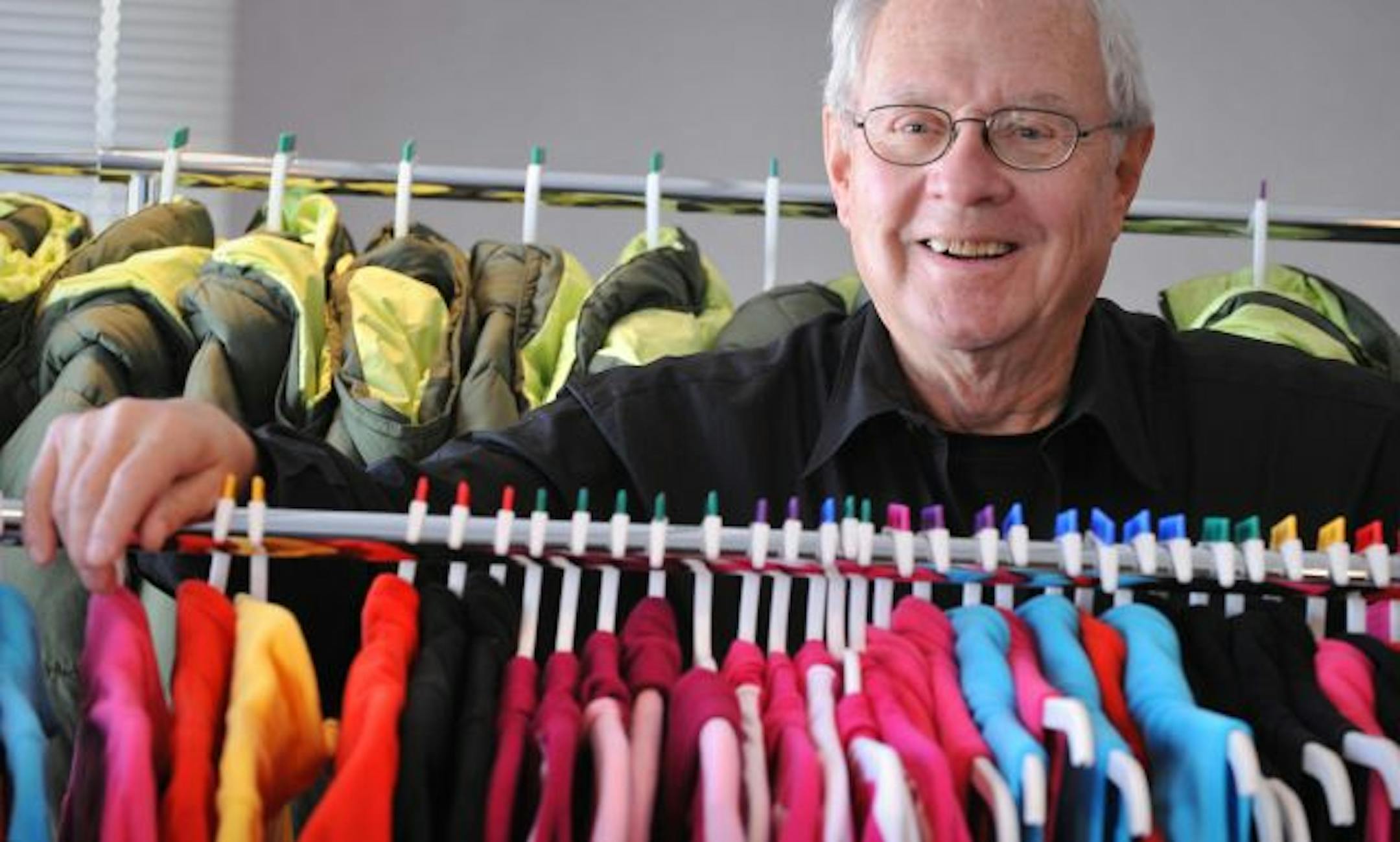
Last week, 76-year-old Bill Weisberg ditched his cozy retirement for a risky ride in retail. He opened a discount athletic wear shop called Fabulous Buys in St. Louis Park and hired his grandkids to run it on weekends, convinced that his gamble can help jump-start Minnesota's limping economy.
Weisberg is undeterred by that fact that U.S. retailers are expected to shut 110,000 stores this year.
"You can't sit around grumpy, moping and feeling sorry for yourself in this recession," he said. "You've got to get off your duff and do something. And what more can you do but open up a retail store to provide quality goods at good prices?
"I am not totally crazy," Weisberg insists. "I opened a new business to fight this recession."
Enter the mavericks -- bold Minnesotans dashing into the worst-performing sectors of the economy just as others race for the exits. As risk takers, they gaze past the scattered wreckage of the current economy to see gem-like opportunity in the bedraggled retail, housing, auto and steel sectors. Optimists all, they believe their ventures will pay off handsomely when the economy recovers.
Just ask the Pohlad Group, which owns the Minnesota Twins and recently partnered with Twin Cities Automotive to buy Sears BMW in Minnetonka and Coon Rapids Chrysler Jeep. Last week it plucked two Inver Grove Heights dealerships from beleaguered auto mogul Denny Hecker. The fact that 70 Minnesota dealerships have folded in the last five years is no deterrent. The Pohlad Group plans to buy more.
"We are looking to be a premier automotive dealership group," said Pohlad partner Peter Hasselquist, chief executive of Twin Cities Automotive. "We are looking to grow."
Officials with the Department of Employment and Economic Development (DEED) note that recessions always produce a class of opportunistic risk takers. This downturn's no exception, they said.


![Attendees of Frostbike made their way through the convention Saturday at the Quality Bike Products campus in Minneapolis. ] (AARON LAVINSKY/STAR TRIBUNE) aaron.lavinsky@startribune.com Frostbike 2016 was held at the Quality Bike Products Campus on Saturday, Feb. 27, 2016 in Bloomington, Minn.](https://arc.stimg.co/startribunemedia/NH2BSHB74ND2V6GF2G2HI5X4MM.jpg?&w=252&ar=3:2&fit=crop)
