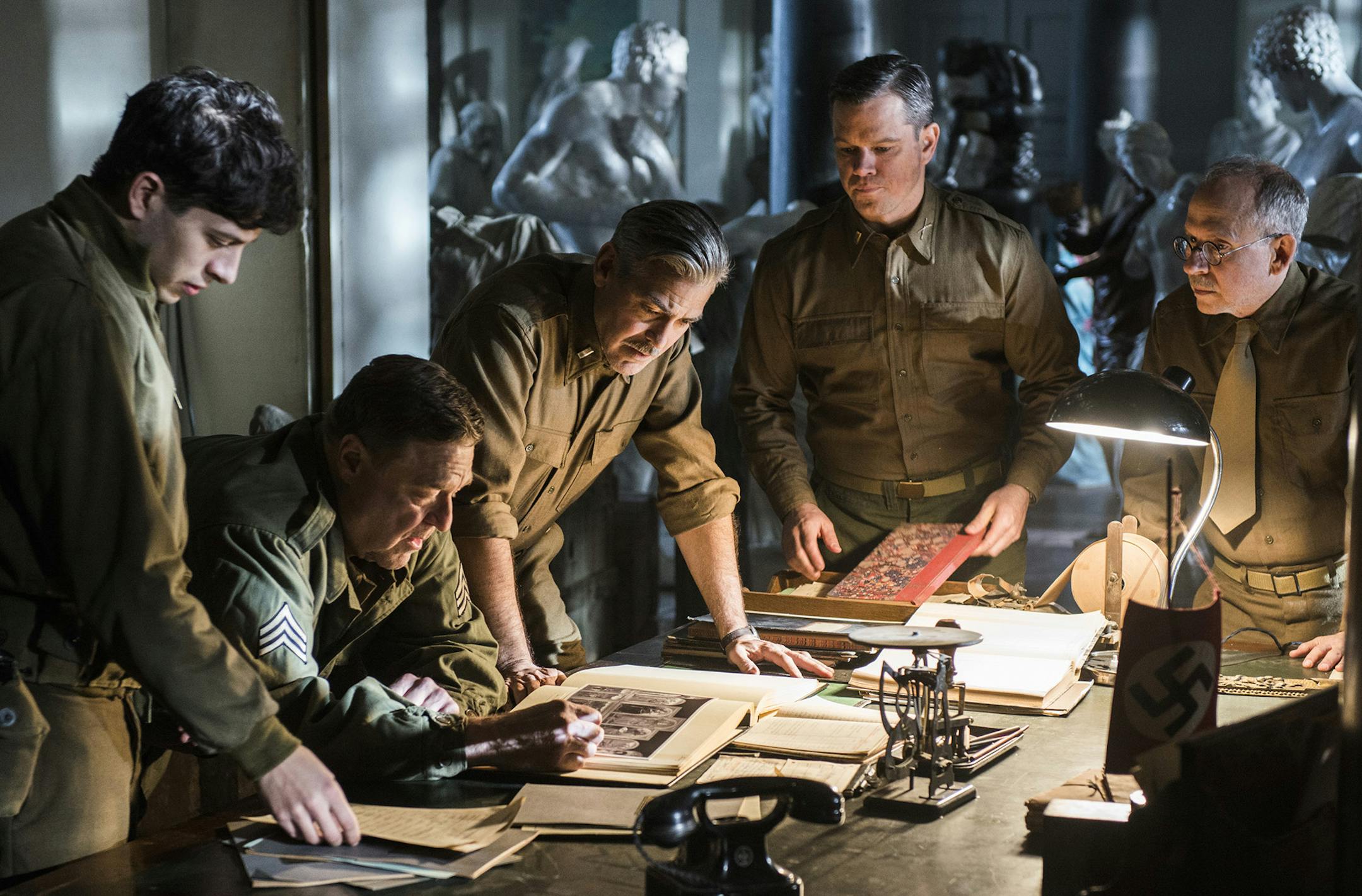
So, I said to George Clooney (because I was standing there in New York City's Ziegfeld Theater lobby following the world premiere of "The Monuments Men," and I was feeling a bit fiery): "Why did you write it that way?!"
Clooney said: "We needed a Frenchman." He was calm and terrific-looking.
"But," I insisted, "what was the point of killing a Frenchman?" If I hadn't been a guest at the premiere and wearing my sophisticated long dress, my voice would have been more shrill.
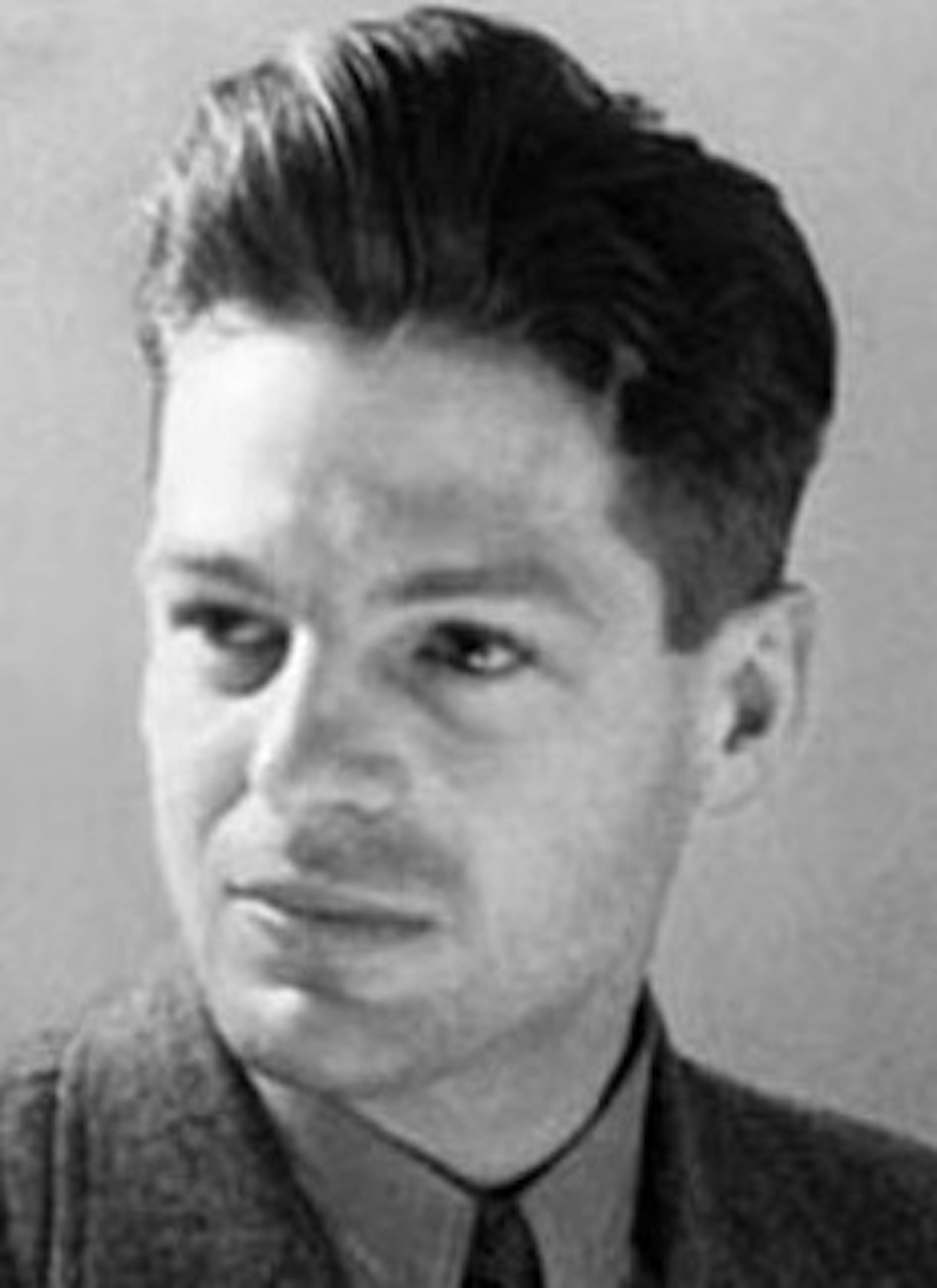
To clarify, I added: "I'm asking because you're the writer, not because I'm a relative of Walter Huchthausen."
"Oh, Walter Huchthausen," Clooney paused, then explained: "The movie is 'based on' the actual events, but, you understand, the film's characters are meant to be representational. We usually didn't even use real names."
"I get that," I said, as Clooney moved away from me and into the crush of premiere guests. He was at work, promoting a Hollywood movie. Maybe that's the part he enjoys least. "Thanks," I called out after him, "for bringing this story into the mainstream."
Then I boarded the bus that carried me and two cousins to the sumptuous after-party. I toasted with champagne and ate delicious treats offered from small round trays by the Metropolitan Club's uniformed staff. I felt dazzled by the glamour of the red-carpet evening.
I do understand that Clooney's "The Monuments Men" was never intended to be a documentary. I know the literary devices that define and separate memoir and personal essay from fiction. Certainly, Truth may be presented in fiction even though the facts are manipulated. That's one form of artistic expression.