

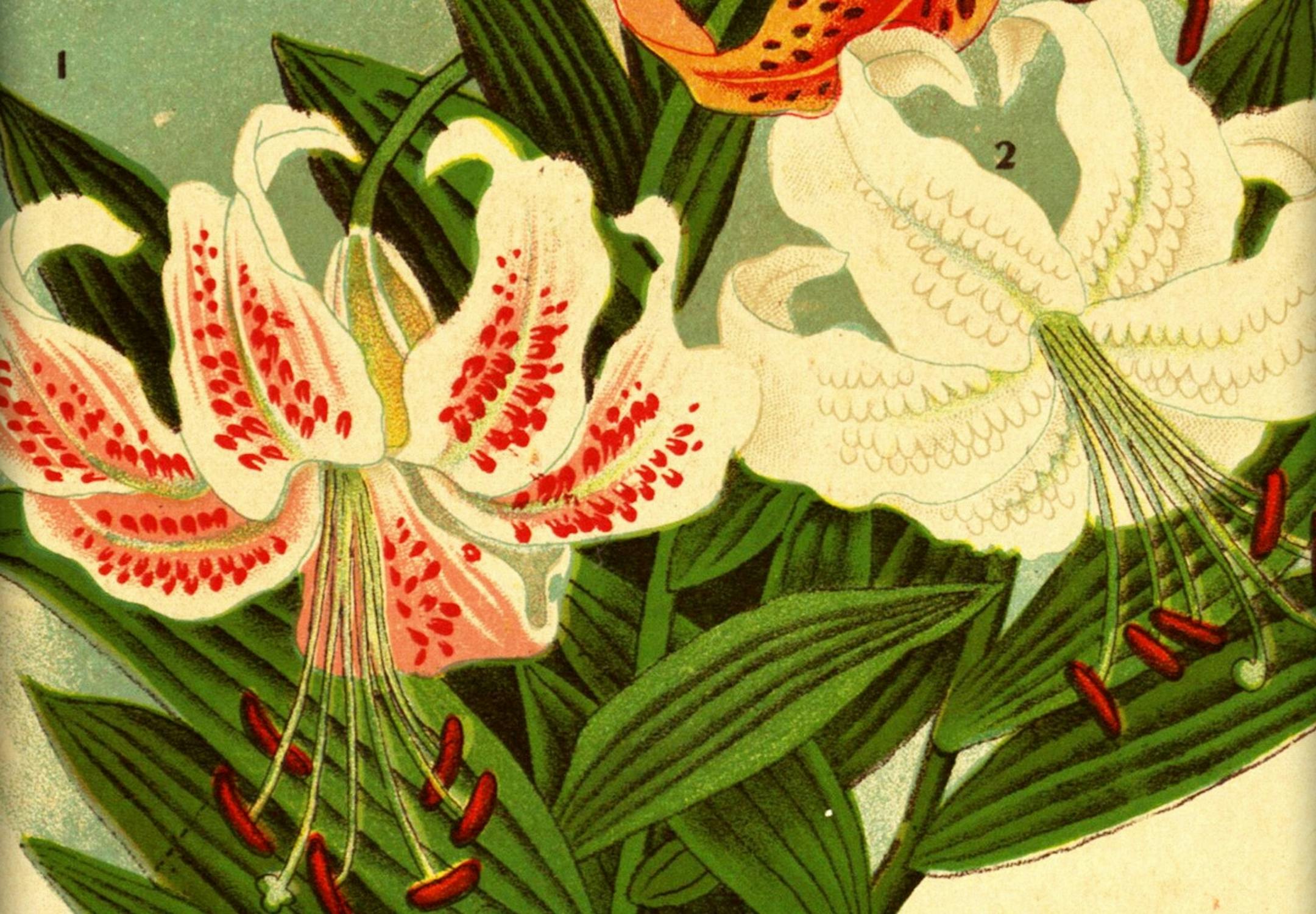
The traveling salesman stands in your kitchen and pops open the silver clasp of his black leather bag. He produces an accordion-style book, opening it to reveal colorful lithographic prints of fruits, vegetables, flowers, shrubs and trees.
Welcome to settler life in the mid-19th century, when it was more practical for the budding nursery industry to arm men with brightly colored illustrations and send them door-to-door to promote the season's latest offerings.
"Here you are in this wilderness, and suddenly there are these pictures," said Lucienne Taylor, who volunteers at the Minnesota Landscape Arboretum. "And you say, 'I want this in my house.' "
Traveling salesmen may be a thing of the past, but the old plate books they used to entice Midwestern pioneers still look ripe in the arboretum's new exhibit, "Beauty in a Briefcase," opening Friday. These salesmen knocked on door after door, showcasing their artful images, which included blazing variations of red, yellow and green vegetation (such as juicy pears and bright lilies). The prints will decorate the arboretum's horticultural library, restaurant gallery and skyway ramp.
For Taylor, the exhibition's curator, the show's prints, numbering more than 60, are pure "eye candy."
Door-to-door flowers
While it's more of a hobby today, back-yard gardening used to be a practical necessity for those heading into the wide-open Midwestern territory in the 1800s.
"They wanted both beauty and food," Taylor said of the families settling in Minnesota.
After seeing full-size prints by Iowan botanical artist Joseph Prestele and his sons, a bookseller named Dellon Marcus Dewey got an idea. Instead of going bigger, Dewey went smaller — making his own pocket-size prints that were easier to carry. Production began in 1858, and by 1879 Dewey had more than 2,300 plate illustrations. The colorful images intrigued gardeners and farmers, showing them a picture of what their garden or back yard could look like. Nurseries ordered custom books and sent their traveling salesmen to work.


