It was a science story made for the headlines: a monster, more than a thousand years of mystery, and maybe, finally, an answer.
Neil Gemmell had that potential for publicity in mind when he led a team of scientists to look for DNA from the elusive Loch Ness Monster — and that team announced Thursday that a large eel could be behind all the speculation.
"I am unashamedly using the monster as a way to attract interest so I can talk about the science I want to talk about," the geneticist and professor at New Zealand's University of Otago said after a hectic day of dozens of media interviews.
More than a thousand Loch Ness Monster encounters are recorded in an official "Sightings Register." The reports go back as far as A.D. 565, when an Irish saint is said to have saved a man from being attacked by a river monster.
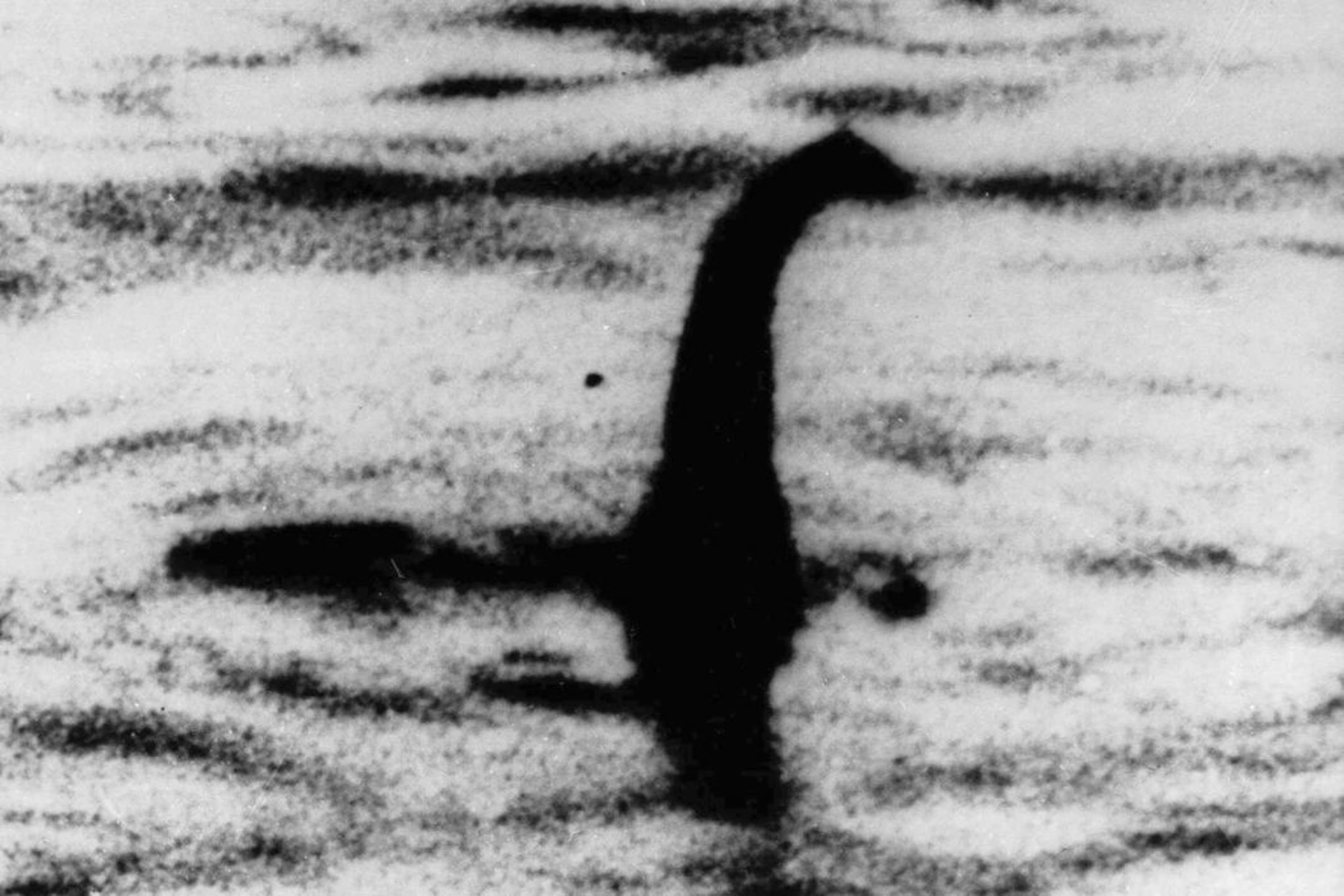
Rumors intensified in the 1930s, when a road opened near the Scottish loch and when a reference to a "Loch Ness Monster" appeared in the Inverness Courier. One man swore he saw a 25-foot-long, 4-foot-high creature without limbs cross the road in front of him and his wife. Some monster sightings were debunked — a famous 1934 photo published in the Daily Mail turned out to be a hoax, staged with a model head attached to a toy submarine — but interest in the legend persisted.
Trying to explain the repeated reports of a giant sea creature, some theorized that the loch was home to a Jurassic-era reptile and pointed to a giant extinct animal called a plesiosaur. Others speculated about a huge fish, swimming circus elephants or just floating branches.
Gemmell and his colleagues say they can use science to rule out some of the theories after analyzing DNA in 250 water samples from Loch Ness.
The DNA allowed them to build a detailed picture of the creatures living in what Gemmell called "the world's most famous body of water," down to tiny bacteria. They found no evidence that the lake harbors a prehistoric reptile, and no DNA from sharks, catfish or sturgeons, some of the other animals put forth to explain the myth.