

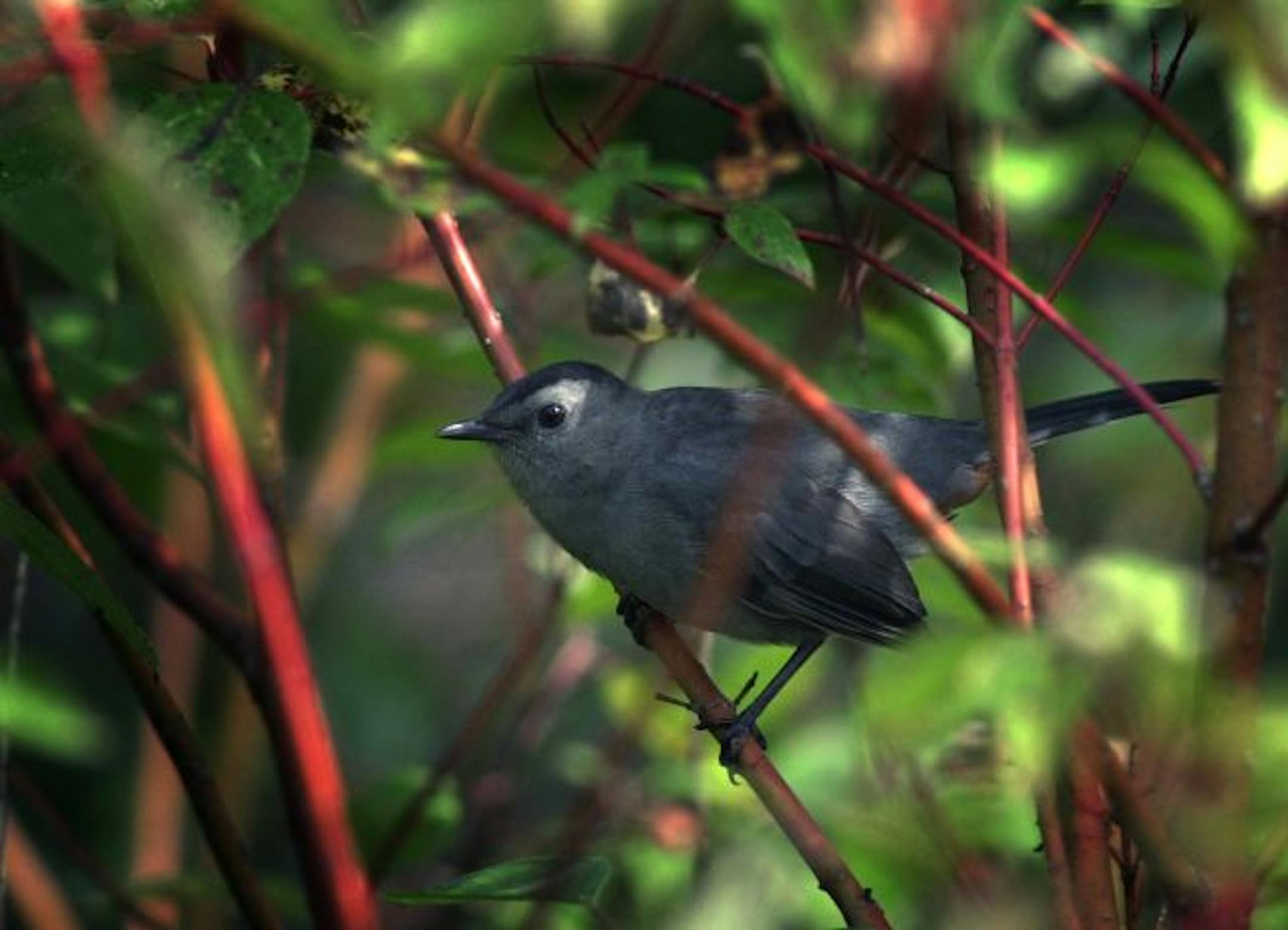
Soon our region will be bereft of catbirds, orioles, bluebirds and wrens. The colorful warblers are departing and summer's flycatchers and swallows are beating their way southward. The seasonal pull of migration, one of the greatest forces in nature, is sweeping billions of birds out of northern regions and depositing them in warmer areas.
These birds prepared for their journey by molting sleek new wing and body feathers. Then they gorged on fruits or grains; because birds have no way of knowing where and when food will be available as they head south, they carry it with them as body fat. Some double their summer weight and some literally become obese.
It's not the impending cold that drives them out. They leave when an internal timer tells them to get ready to go, because the food that sustained them during spring and summer -- the huge insect "bloom" -- is on the wane and will disappear entirely after several frosts.
A bird funnel
We live along a major migratory flyway, the Mississippi River drainage area. Birds travel from northern nesting areas, funneling down the river's length to reach areas where they'll spend the winter. Much of this migration is invisible to us, because most songbirds travel at night to limit their exposure to predators and take advantage of night's cooler, stiller air. But we often can catch sight of migrants as they feed and rest during the day.
Most young birds, hatched just weeks ago, don't travel with their parents or even their siblings. Instead, they follow a flight plan embedded in their brains. As they lift into the evening sky they may fall in with a stream of other birds departing on the same night, becoming a loose aggregation of birds of many different species.
Genes provide a hard-wired map, but young birds must rely on their own ingenuity and luck as they encounter storms, strange foods, new predators and large expanses of water with no idea of how to pace themselves. Migration is extremely dangerous for birds, and the sad truth is that many don't survive. More than half of the young birds that flapped out of nests this summer won't live through their first solo trip. And half of those won't be around next spring when it's time to begin courting and nesting.
Different flight plans


