

Iraq has faded from the headlines. The reasons are plain. Last month, the U.S. death toll was the lowest of the five-year war. Today, hopeful success stories are replacing the drumbeat of failure.
How did the despair of a year ago, which seemed intractable, reverse so quickly?
Minnesotans don't need a Pentagon briefing to find out. We've got a local guy, just back from Iraq, whose firsthand perspective can shed light on this remarkable change.
Pete Hegseth, who grew up in Forest Lake, recently moved back to Minneapolis from Washington, D.C. For eight months in 2005 and 2006, he served as an Army lieutenant in Samarra, north of Baghdad and one of the bloodiest cities in the Sunni Triangle. On his return, he became a critic of U.S. military policy, calling in a Wall Street Journal article for more troops and new counter-insurgency tactics.
Two weeks ago, Hegseth returned to Iraq with members of Vets for Freedom, an advocacy group of which he is chairman. The transformation he saw in Samarra, he says, has given him great hope.
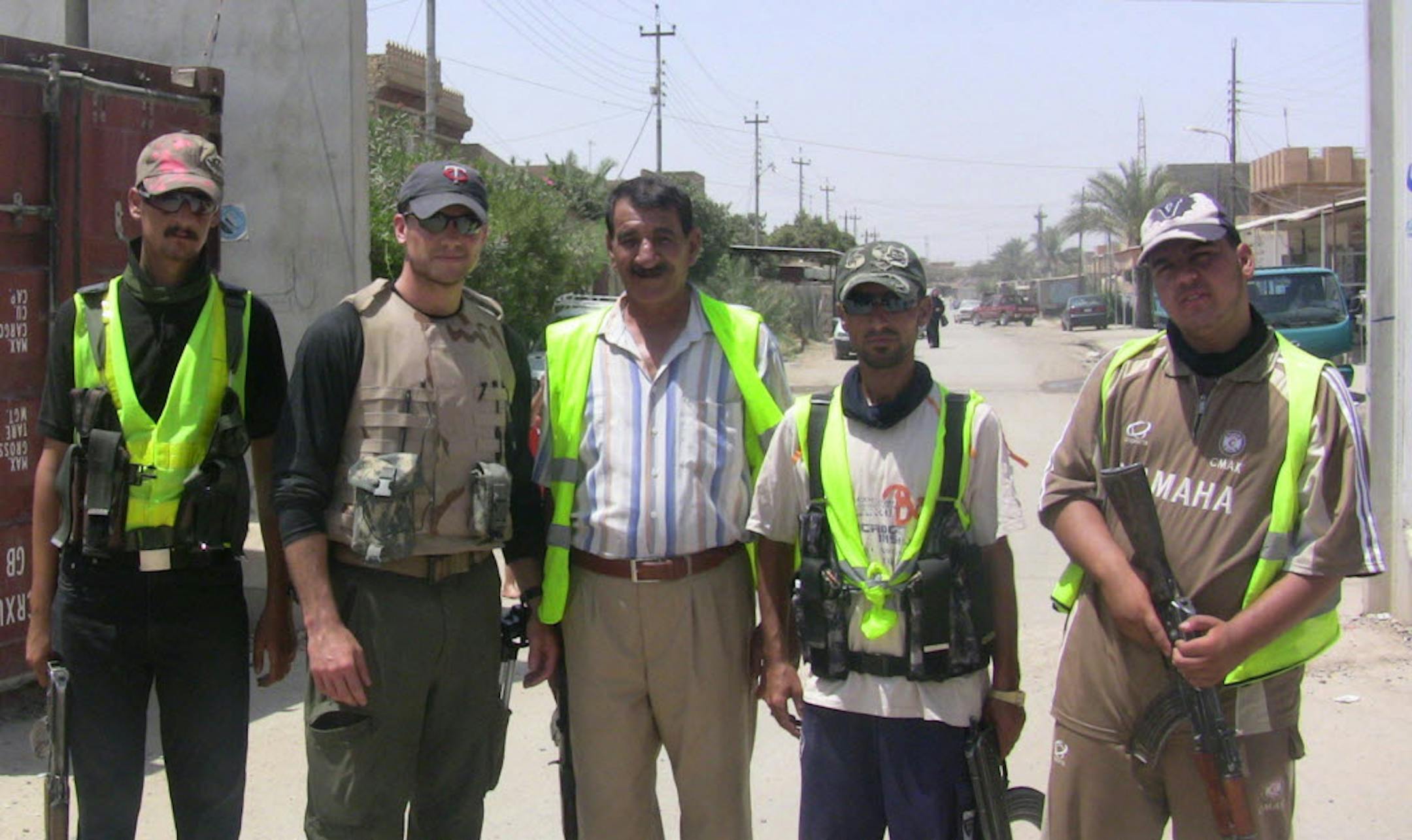
Hegseth was particularly startled to come face to face with Abu Saif, a former Sunni insurgent who is now a U.S. ally and a leader in the battle to retake the city from Al-Qaida in Iraq. "In 2006, Abu Saif was on our list of 'High Value Targets' to capture or kill," explained Hegseth. "Now, I was shaking his hand, breaking bread with him, and working to expel a common enemy."
Recently, Saif helped train U.S. troops in "how to defeat insurgents," he added, sharing details about how they attack and escape, and where they hide their weapons and money.
Since December 2007, improvised explosive devices (IEDs) in the city have plunged 97 percent, while small-arms attacks have dropped 80 percent, and captured enemy weapons caches have increased 800 percent, according to Hegseth. Children now play in the streets, and the City Council -- whose members once feared for their lives -- is busy responding to residents' gripes, he says.


