

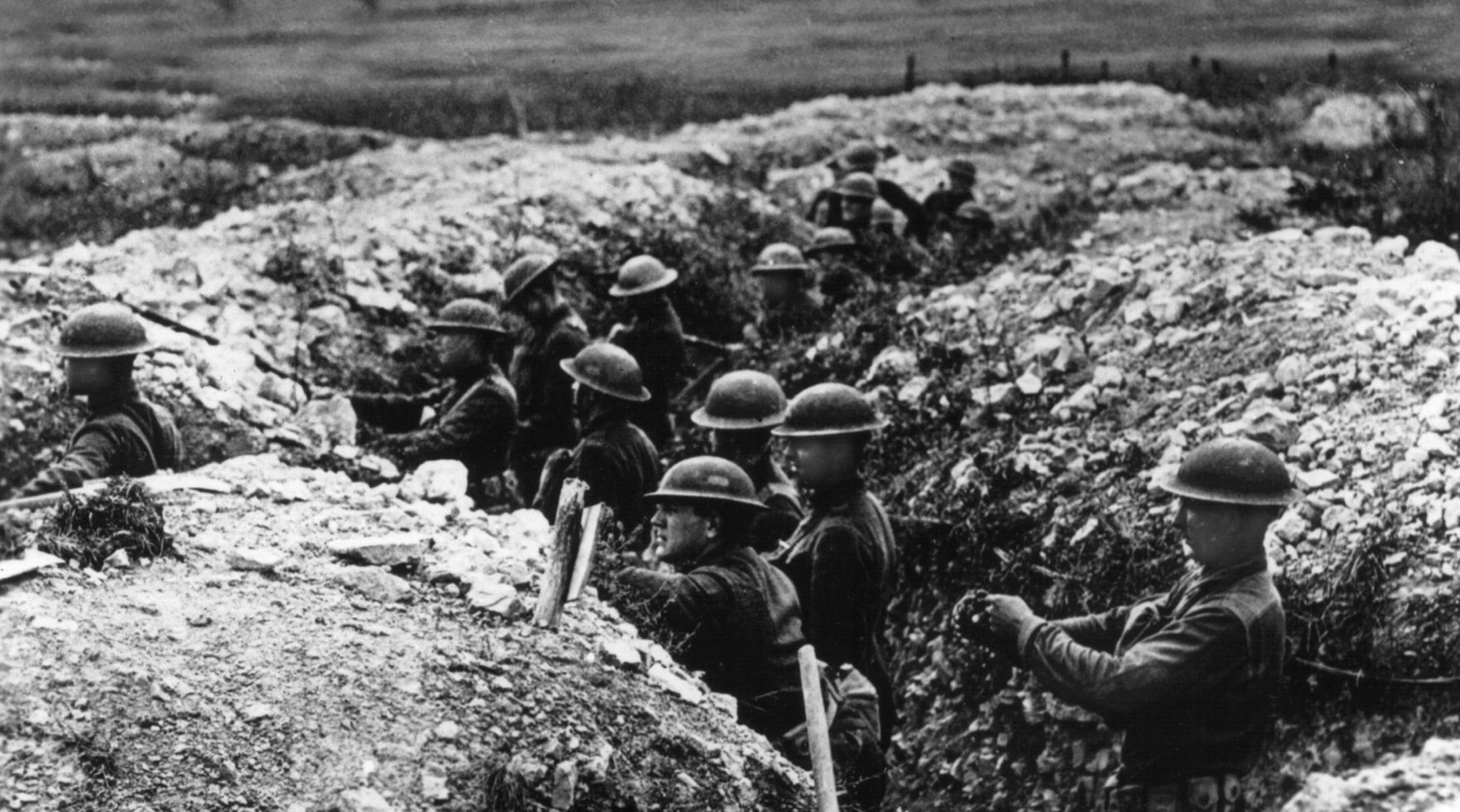
One hundred years ago today a Serbian nationalist assassinated Archduke Franz Ferdinand and his wife, Sophie, in Sarajevo. The killing triggered a cascade of cataclysmic decisions that sparked World War I, the subject of this month's Minnesota International Center's Great Decisions dialogue.
The Korean War is often called "the Forgotten War," and compared with World War II and Vietnam, the label applies. But World War I was the original forgotten conflict, despite its enormous scale and vast consequences. In a sense, it was long overshadowed by profound events it did much to cause.
But World War I is forgotten no more.
Weighty World War I analyses like "The Sleepwalkers: How Europe Went to War in 1914" and others make Barnes & Noble look like it was stocked by a history major.
Young readers who encountered the children's novel "War Horse" in the 1980s could see the story as adults on stage or on-screen in Steven Spielberg's 2011 Oscar-nominated movie. Two years earlier "The White Ribbon," a World War I-themed German movie, also received a nod for best foreign film.
On TV, aristocrats and domestics on the Emmy Award-winning "Downton Abbey" are shadowed by World War I, too.
And the artistic rediscovery of World War I even includes a locally composed opera — "Silent Night," about a Christmas truce in the trenches — that won a 2012 Pulitzer Prize.
While World War II and the Great Depression may for a time have eclipsed World War I in America's memory, those who fought it surely didn't forget. Others were likely reminded by the era's prolific artistic expressions.


