By the time 10-year-old Sarah Murnaghan got a lung transplant last week, she'd been waiting for months, and her parents had sued to give her a better shot at surgery.
Her cystic fibrosis was threatening her life, and her case spurred a debate on how to allocate donor organs. Lungs and other organs for transplant are scarce.
But what if there were another way? What if you could grow a custom-made organ in a lab?
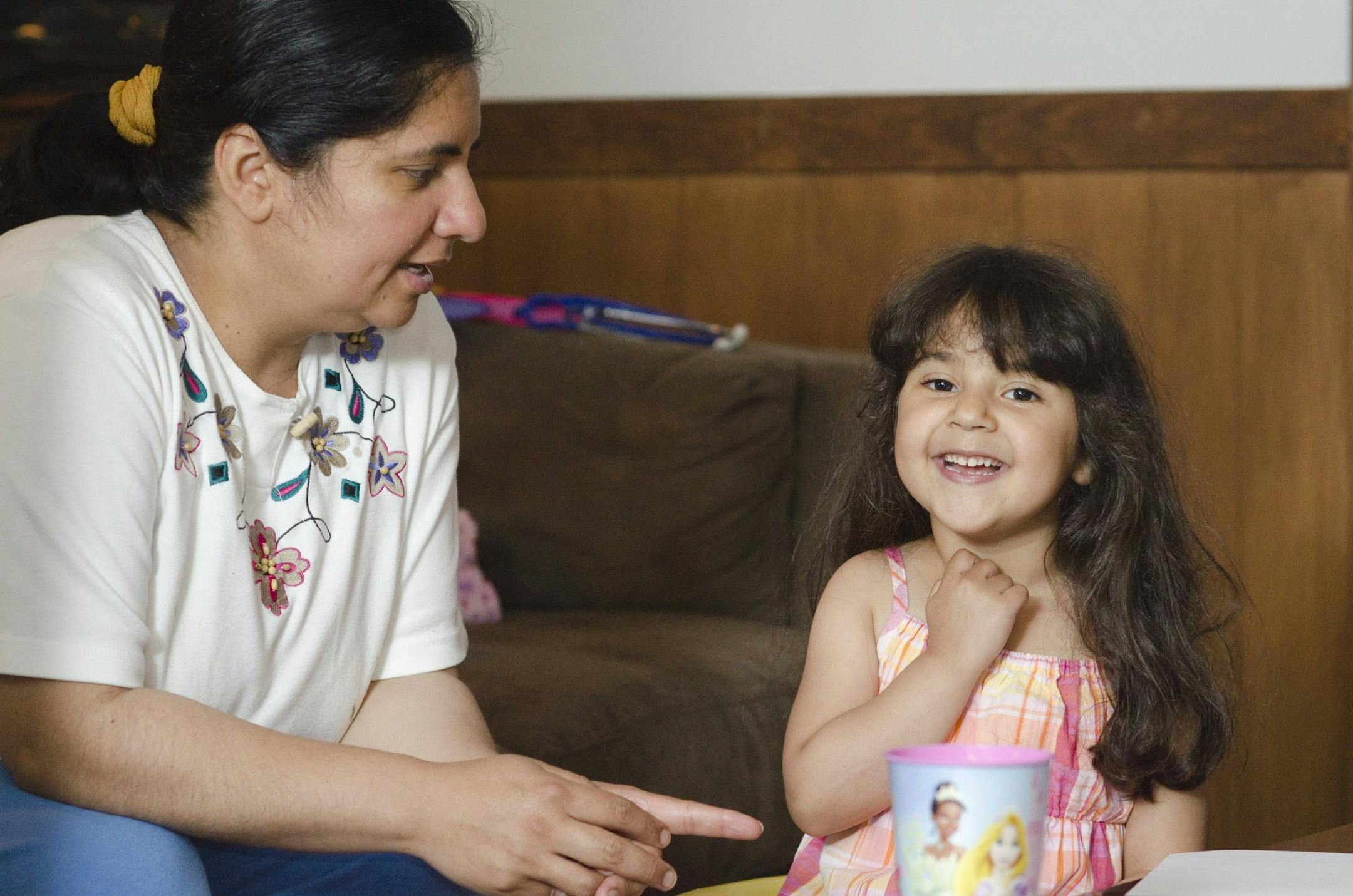
It sounds incredible. But just a three-hour drive from the Philadelphia hospital where Sarah got her transplant, another little girl is benefiting from just that sort of technology. Two years ago, Angela Irizarry of Lewisburg, Pa., needed a crucial blood vessel. Researchers built her one in a laboratory, using cells from her own bone marrow. Today the 5-year-old sings, dances and dreams of becoming a firefighter — and a doctor.
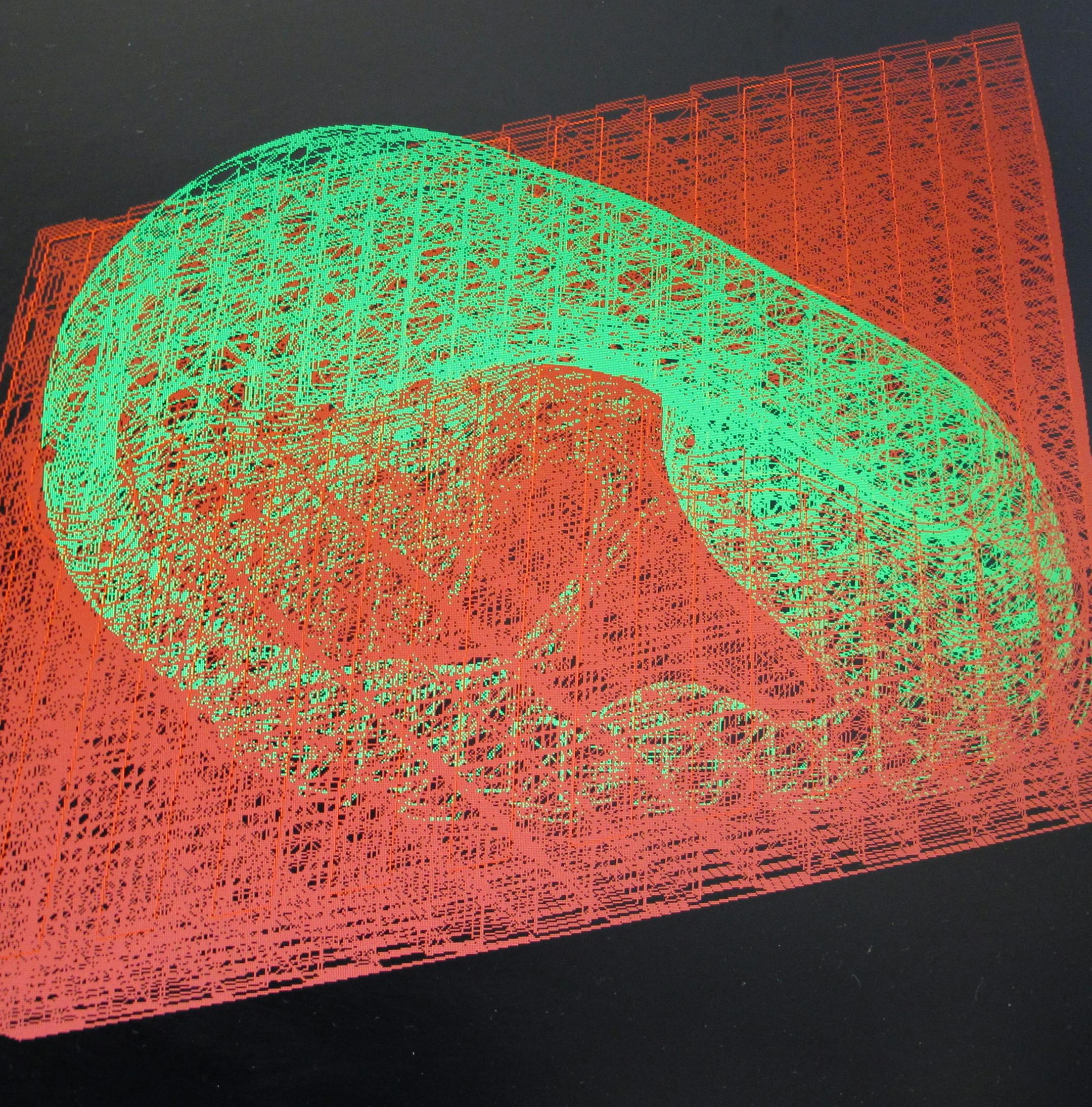
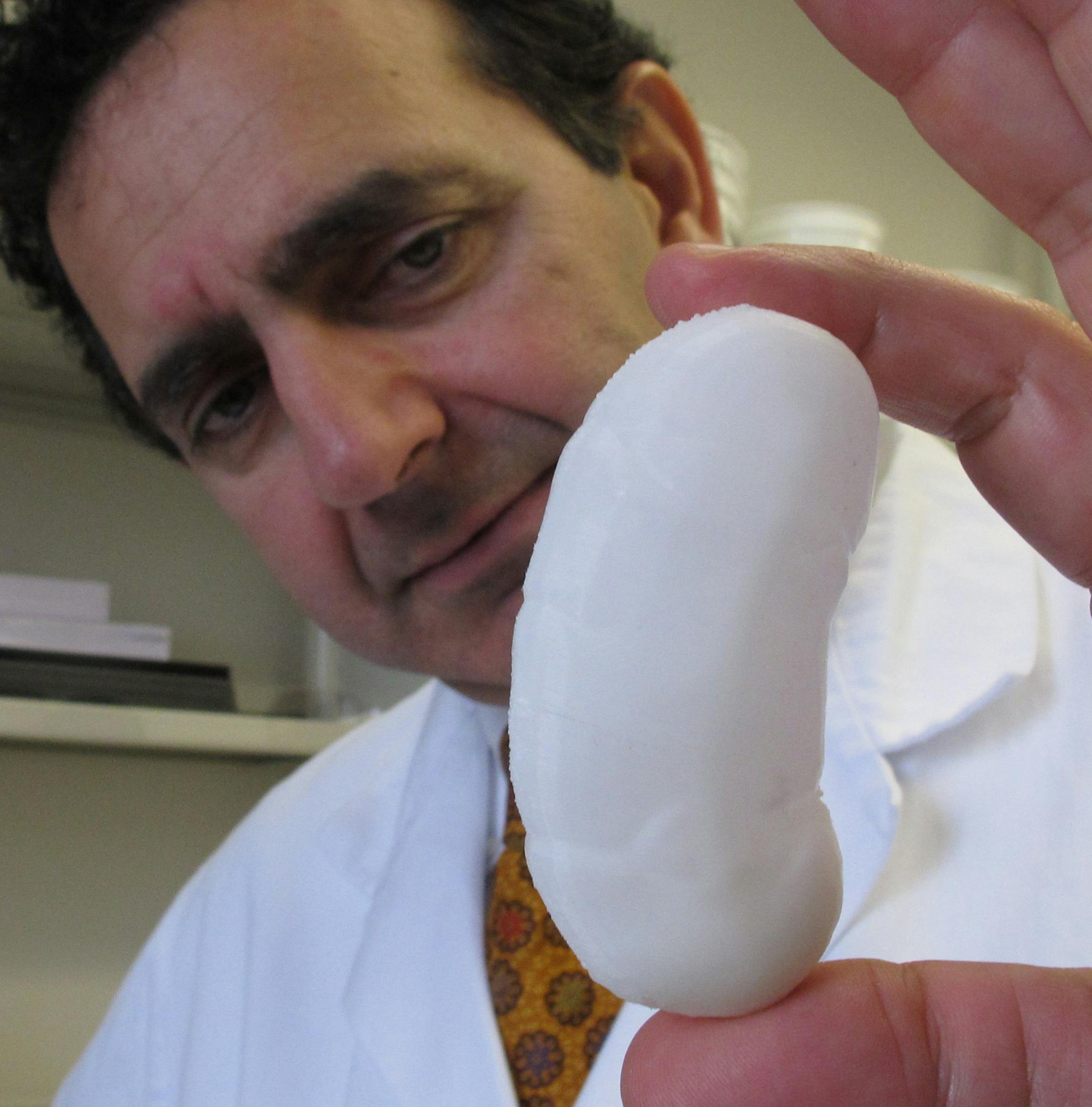
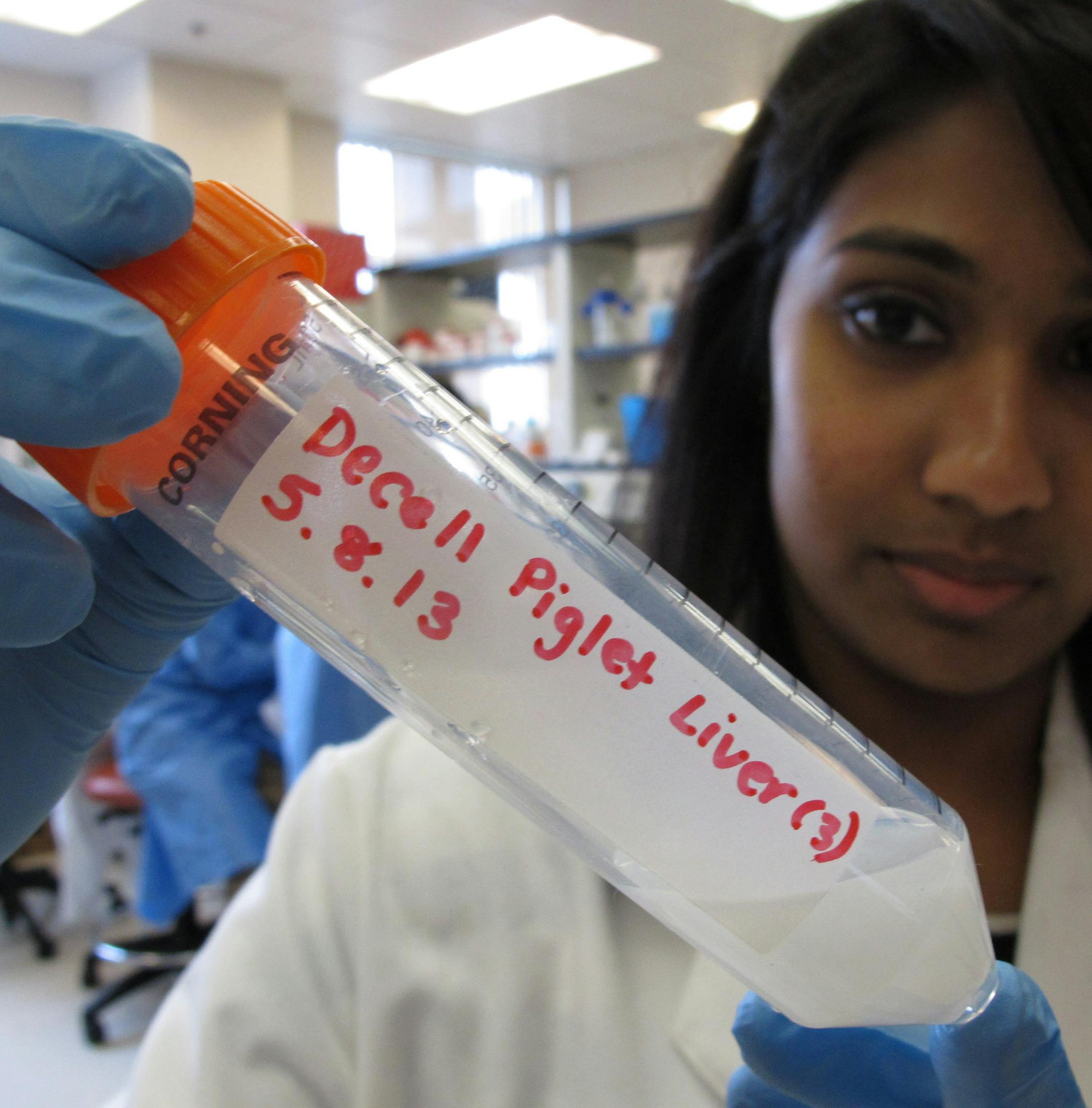
In North Carolina, a 3-D printer builds prototype kidneys. In several labs, scientists study how to build on the scaffolding of hearts, lungs, livers and kidneys of people and pigs to custom-make implants.
Here's the dream scenario: A patient donates cells. A lab uses them, or cells made from them, to seed onto a scaffold that's shaped like the organ he needs. Then, says Dr. Harald Ott of Massachusetts General Hospital, "we can regenerate an organ that will not be rejected [and can be] grown on demand and transplanted surgically."
A few weeks ago, a girl in Peoria, Ill., got an experimental windpipe that used a synthetic scaffold covered in stem cells from her own bone marrow.
Dozens of people are thriving with experimental bladders made from their cells, as are more than a dozen who have urethras made from their own bladder tissue.