

'Let's be perfectly coldblooded about it," President Richard M. Nixon mused to Henry A. Kissinger, his national security adviser. "South Vietnam is probably never going to survive anyway."
It was August 1972, and Nixon was worried about the inevitable collapse of South Vietnam after American forces withdrew. Kissinger concurred.
"We've got to find some formula that holds the thing together a year or two," he said. "If we settle it, say, this October, by January '74 no one will give a damn."
This formula became known as the "Decent Interval," a period of time after a withdrawal that would be long enough for Americans to go from war fatigue to amnesia. Thirty-two months later, when Saigon fell, there was no chance that the American public would countenance military re-engagement. Indeed, congressional concerns over being dragged back into conflict even threatened efforts to address a spiraling refugee crisis.
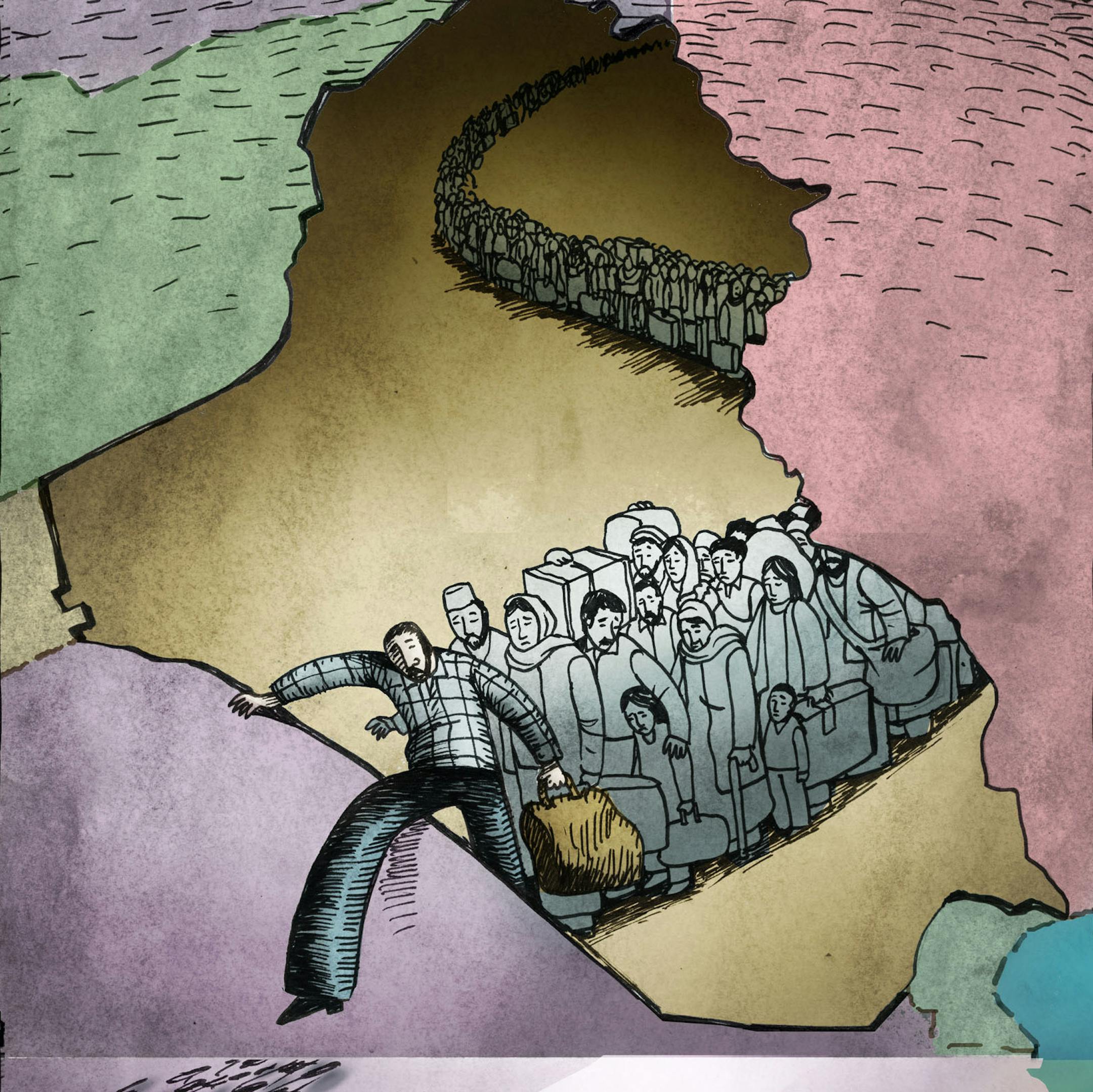
It's hard these days to escape the cold shadow of the Decent Interval. Throughout the long withdrawal from Iraq, my organization — the List Project to Resettle Iraqi Allies, which helps Iraqis who are endangered because they once worked alongside Americans as interpreters, drivers and advisers — implored the Obama administration to draw up a plan to protect them.
This White House always has maintained a degree of detachment from Iraq, however. The Obama team campaigned in 2008 on getting out, and in 2012 on the fact that they had gotten out. They had convinced themselves that Iraq was in better shape than it was, seemingly secure in the knowledge that the American public wouldn't give them too hard a time if Iraq unraveled.
Bipartisan legislation did create a category of special immigrant visas for Iraqis who had helped us. But bureaucracy strangled their distribution. Thousands of Iraqis who worked with our troops, diplomats and aid workers remain in limbo, desperate for a visa allowing them to reach safety. The same story is playing out in Afghanistan.
This problem did not go unanticipated. A year before the war's end, Congress passed a bill instructing the executive branch to put a contingency plan in place, but the White House never did. Two weeks before the last American troops left in December 2011, a National Security Council staff member told List Project lawyers, "We know that the Iraqis on your list have a subjective fear, but there's no objective basis for them to be afraid after we leave."


