In the popular imagination, the Victorian era was a sentimental time when love was a lifelong commitment, children were idealized, marriage sanctified and the dead memorialized to the max. Britain's Queen Victoria set the style by doting on her nine children and then falling into a 40-year funk after the premature death of her beloved husband, Prince Albert, wearing mourning black until she too popped off in 1901.
In fact, as a curious show at the Minneapolis Institute of Arts illustrates, Victorian sentiment pales in comparison with the emotional fetishes of the preceding Romantic era, when lovers, mourners and mere flirts literally wore their passions on their bosoms.
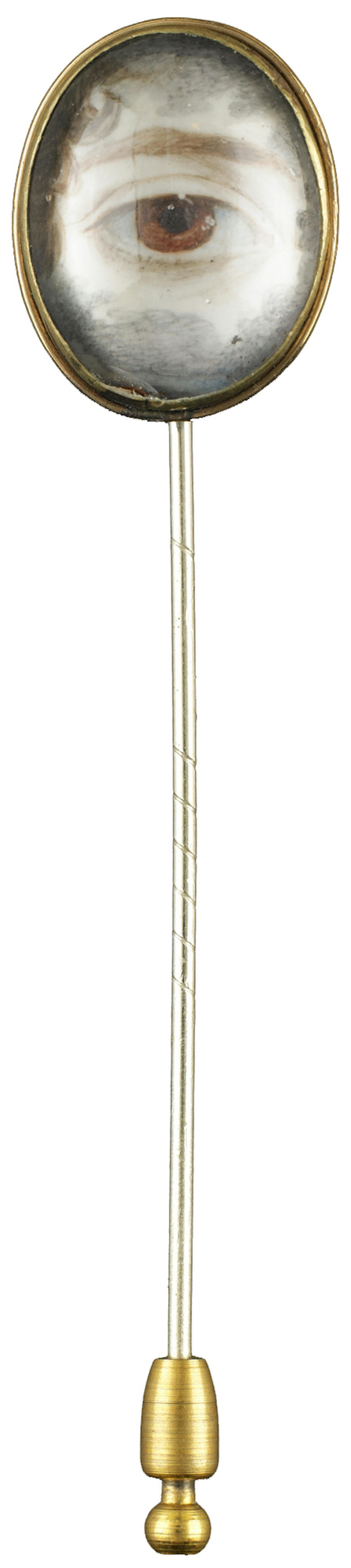
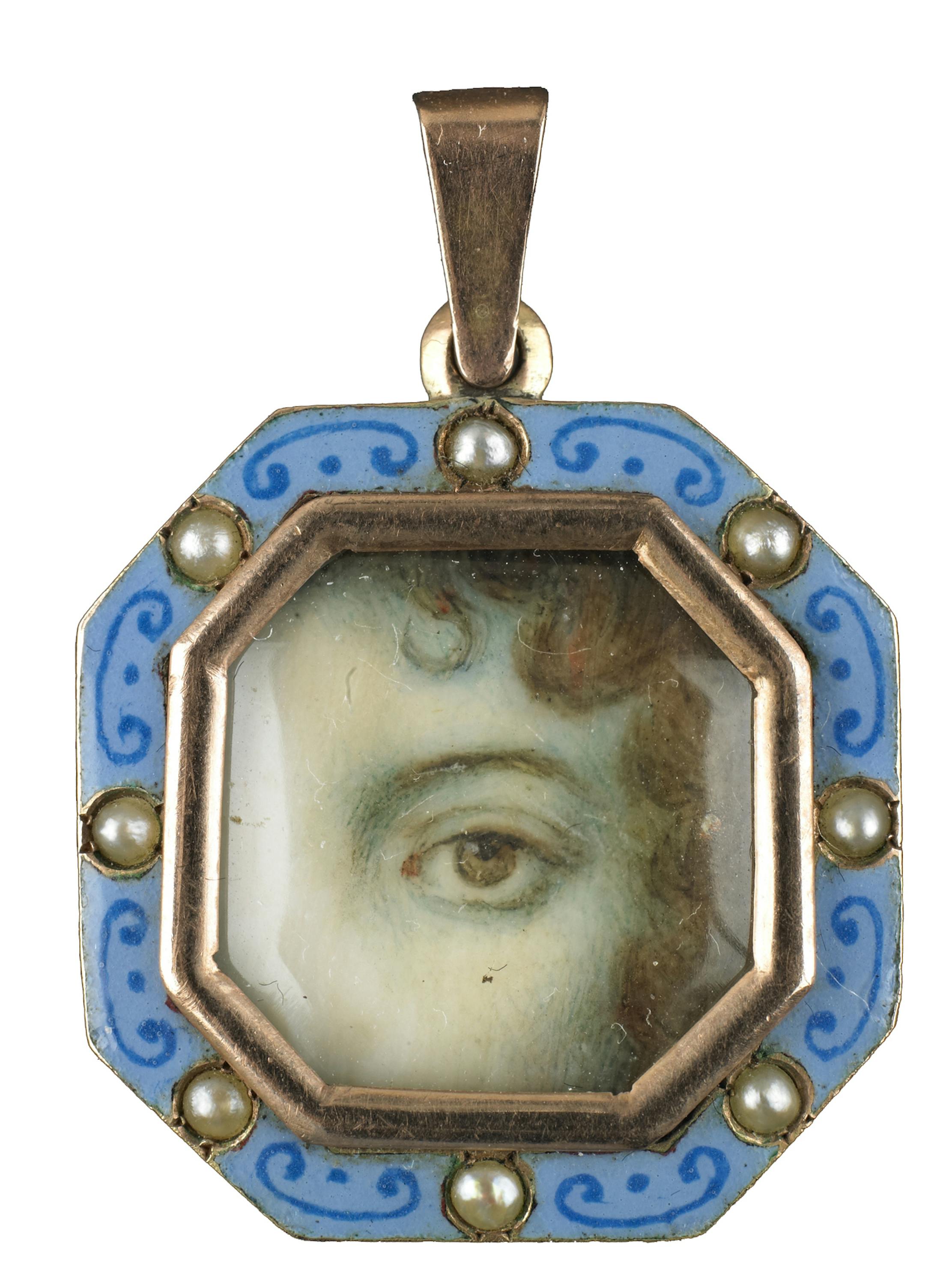
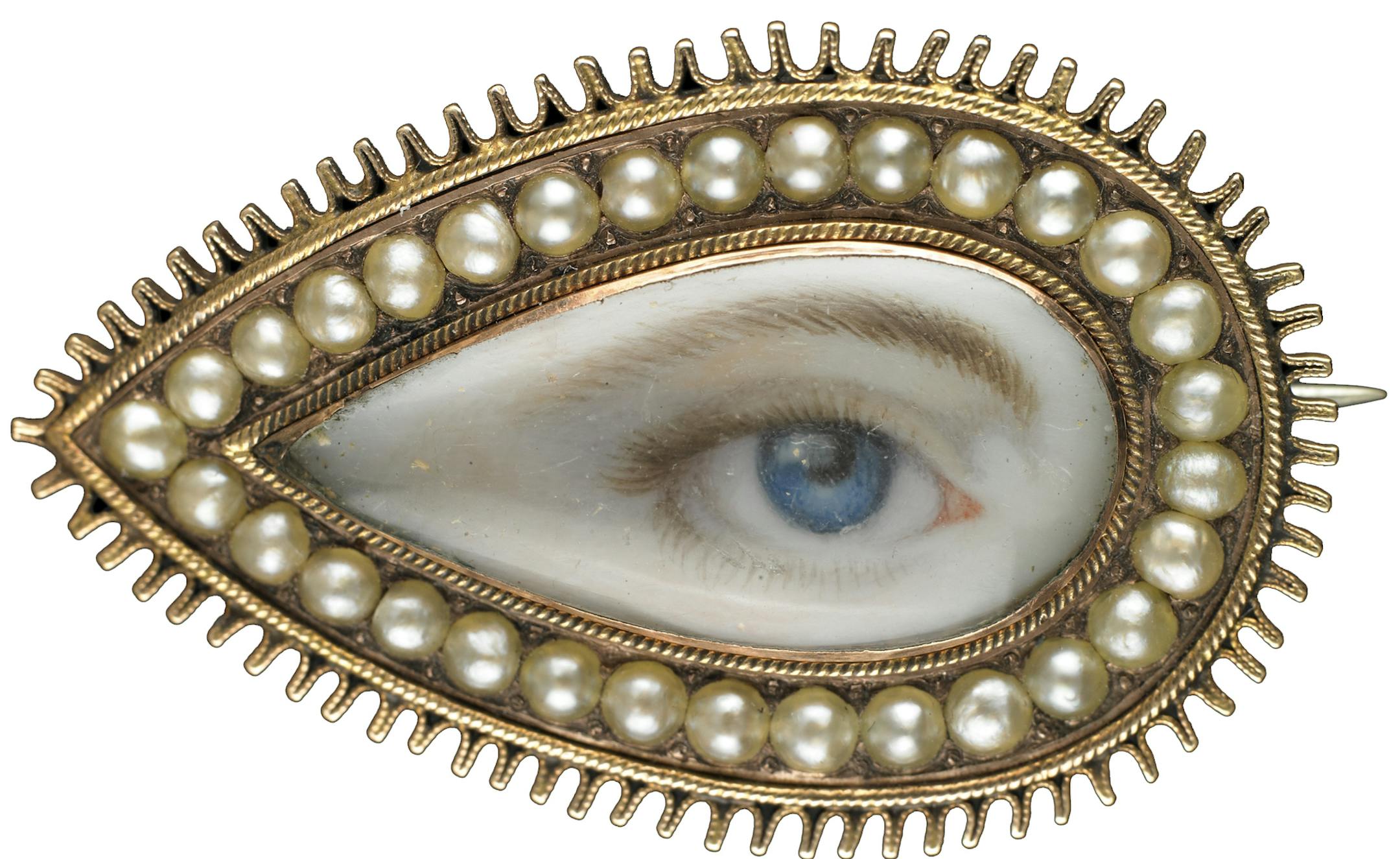
"The Look of Love: Eye Miniatures From the Skier Collection," showcases 98 tiny paintings of eyes, all set into pretty jewelry and little boxes ornamented with precious gems — diamonds, garnets, pearls, turquoise, coral.
On view through Aug. 24, the show is charming but, unfortunately, almost impossible to see because the petite objects are displayed in bulky highboys that prevent close scrutiny. They're better seen in the richly researched and lavishly illustrated catalog (Birmingham Museum, $35) whose high points are five fictional vignettes by Jo Manning that fetchingly imagine the back stories of several portraits.
Painted in watercolor on bits of ivory, the stamp-sized images depict single eyes of real people — right or left, never a pair. They come in the usual colors — gray, green, blue, brown — often with a bit of painted hair swirling coquettishly around the edge. Sometimes the frames also conceal snippets of braided or woven hair, engraved initials, dates or cryptic messages.
The eyes are all tokens of affection. They were given as keepsakes between lovers who most likely wanted to hide their passions from disapproving parents or a betrayed spouse, or worn by bereft mothers mourning a beloved child, or tucked into a lapel or neckline as a reminder of an absent companion. Most are brooches or lockets, but the show also includes eyes on collar pins, tie tacks, toothpick boxes, a watch key and in a leather wallet.
Some appear flirtatious, while others signal sorrow with surroundings of clouds or teardrops. One oval ring shows a tiny angel waving a palm branch from a cloud above a droopy pink-rimmed eye. An inscription on the back identifies the eye as that of "Marg. Wardlaw" who died Aug. 8, 1795, at age 9.
Besides providing pretty settings for the eyes, the gemstones had symbolic meaning, with diamonds referring to rarity and great value; pearls for innocence, purity and perfection; garnets for true friendship, and so on.