A zoo is nothing but an illusion in which a patron can come and suspend disbelief. We must somehow believe that the animals are content in their "natural settings." We imagine boas cozily curled up in their glass showcases, the myna birds preferring their netted enclosures to open sky and the monkeys performing for us happily rather than displaying the neurotic behaviors of a caged primate.
And what about the lions, tigers and elephants? Well, that's one bit of sleight of hand that the architects of zoos have yet to perfect. How can we not feel bad for these animals?
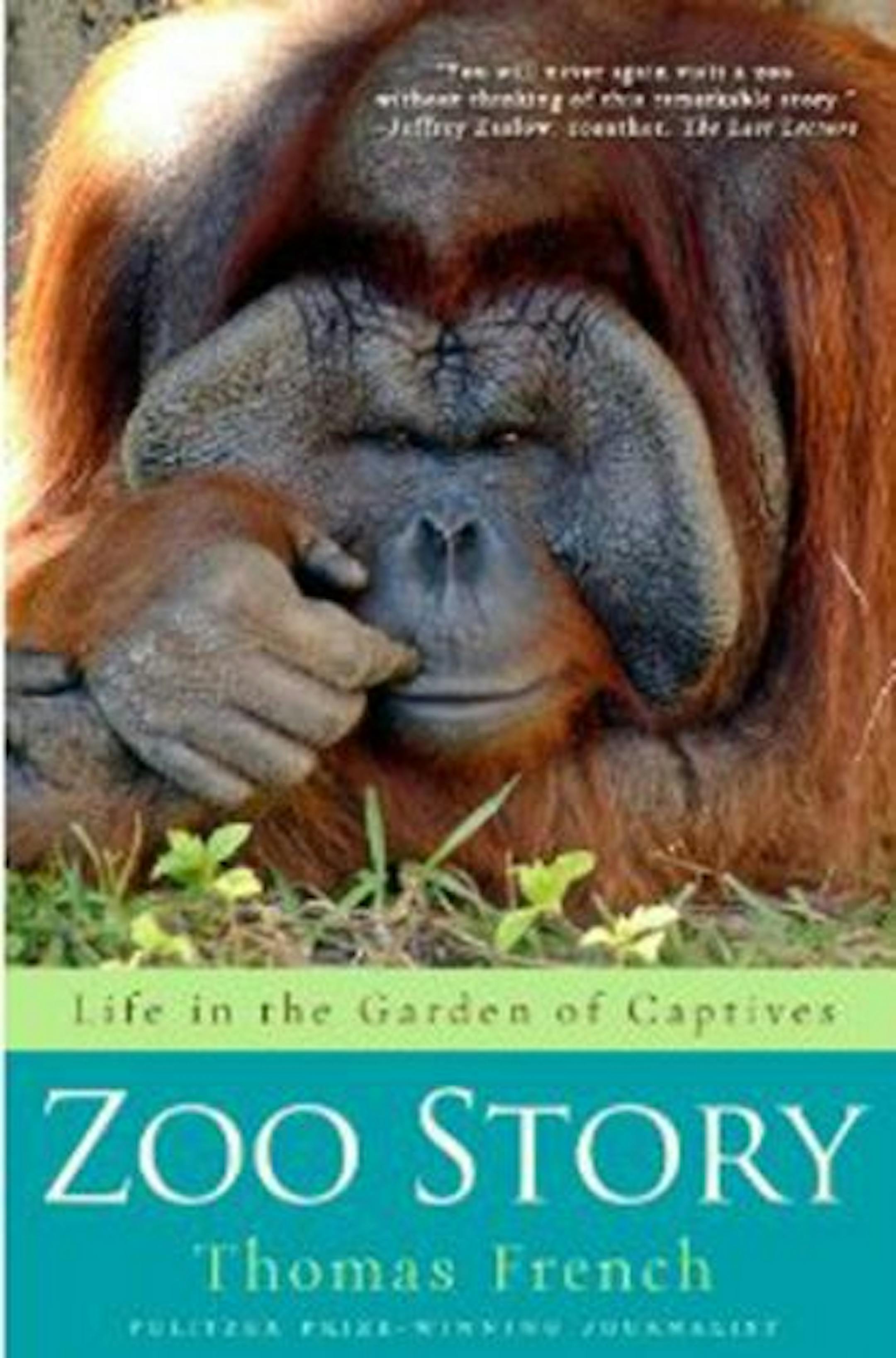
The confluence of one domesticated American zoo and several wild African elephants is at the heart of Pulitzer Prize-winning author Thomas French's "Zoo Story: Life in the Garden of Captives." The book is expertly written, but it's not an easy read because it only adds to our conflicted attitudes toward zoos. A behind-the-curtain look at Florida's Tampa Lowry Park Zoo is at the heart of French's reporting.
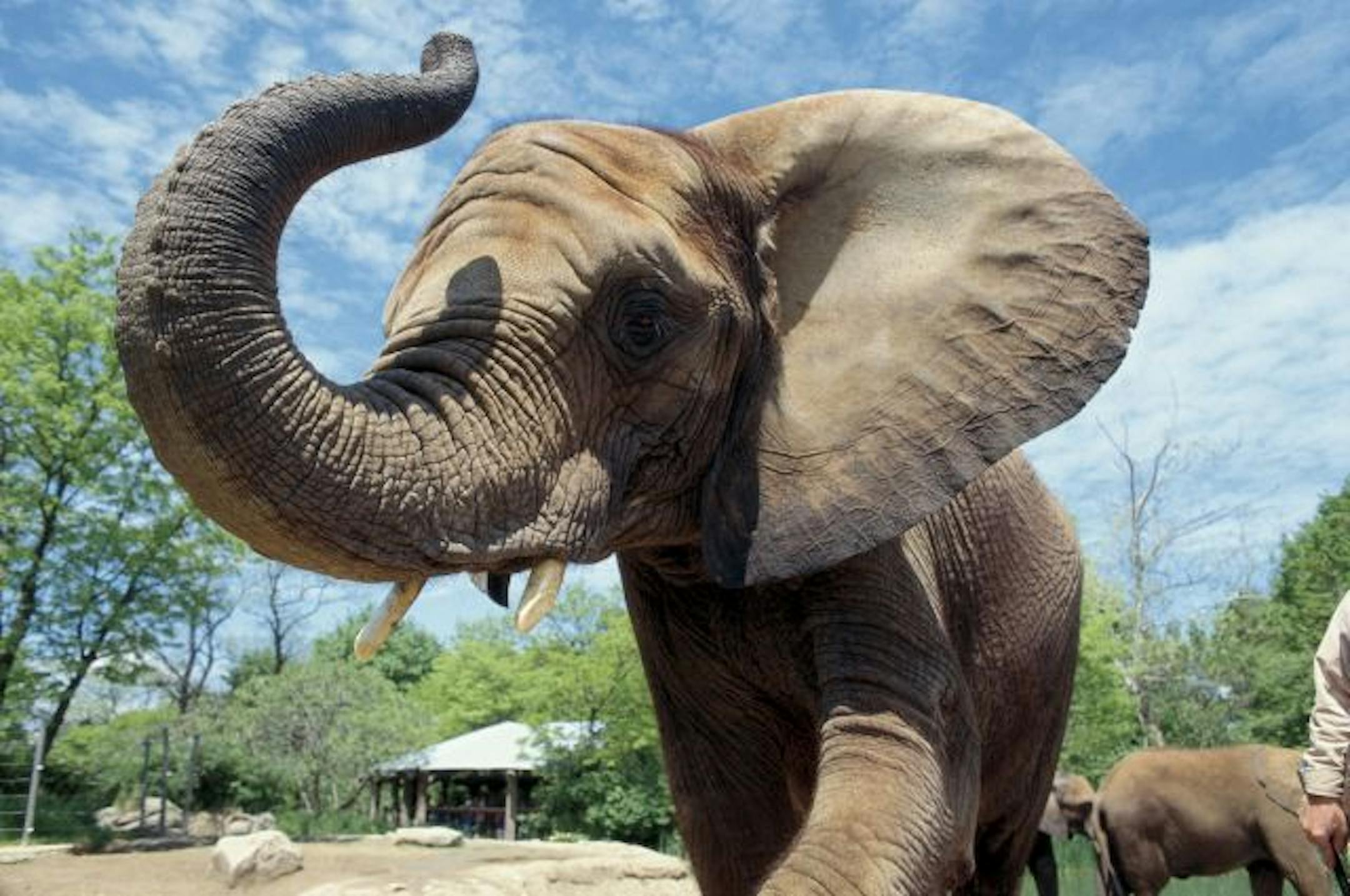
The book opens with 11 South African elephants culled from a herd in Swaziland being flown from South Africa to Florida, caged in the cargo bay of a Boeing 747. They were well cared for during the flight, but the image that French paints is disturbing.
He writes, "Inside the hold, some of the elephants drifted in and out of sleep. Others were more alert, the effects of their Azaperone and Acuphases injections slowly wearing off."
Certainly PETA did not like the idea of flying pachyderms around the globe, either, and began a campaign to prevent the transport. The group took to calling the elephants "The Swazi Eleven."
The game reserve from which they were captured could no longer sustain them. There were too many elephants and not enough food in Africa. French reports that elephants are routinely slaughtered to keep the numbers down.
However, for Lowry Zoo the elephants were not being rescued so much as they were being acquired (for $12,000 apiece) to be the anchor species for its new expansion of exhibits showcasing African animals.