

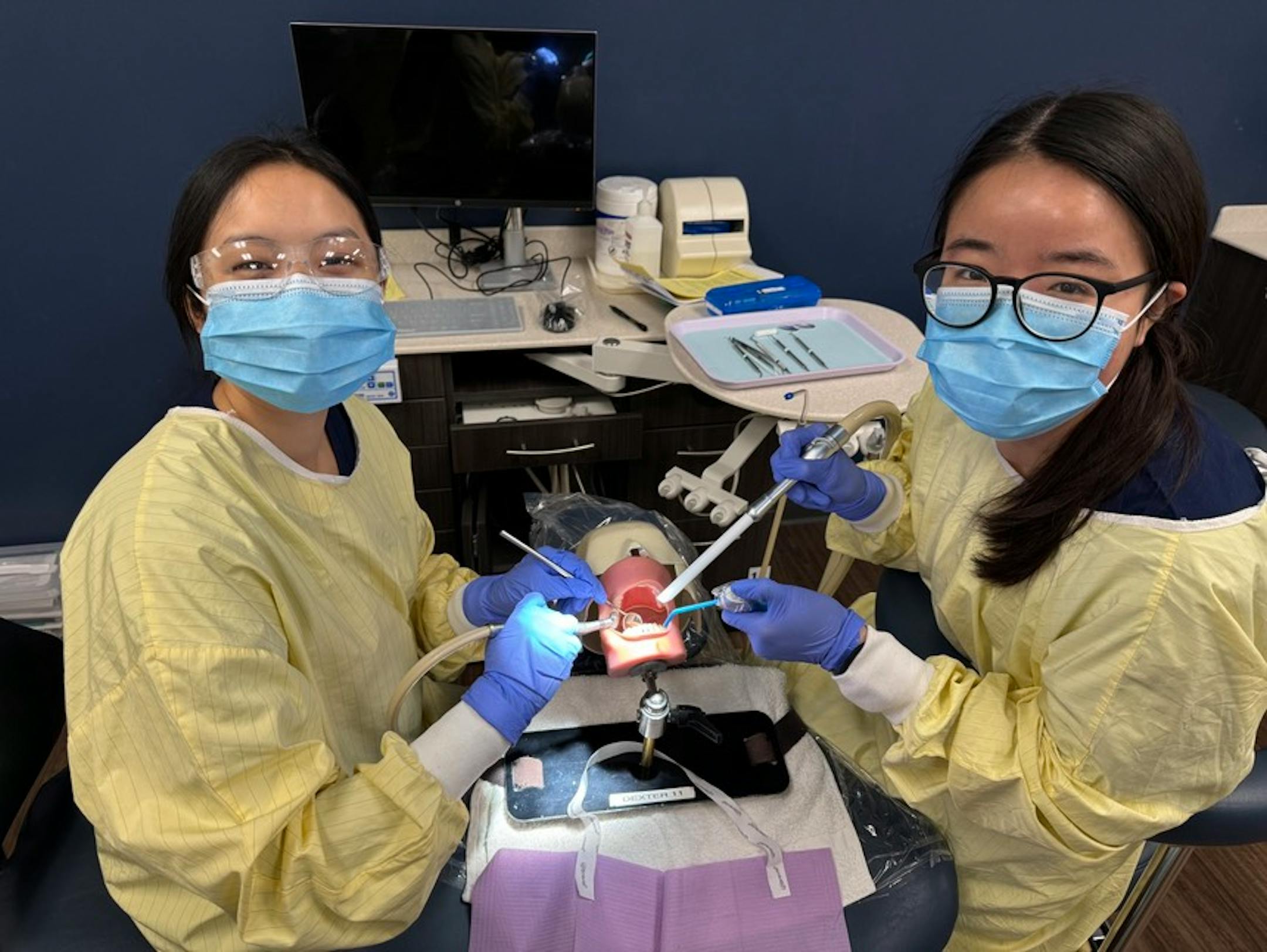
Minnesota is often celebrated as one of the nation’s healthiest states, thanks to strong public health systems and a high quality of life. Yet beneath that reputation lies a pressing and growing concern: access to dental care. What’s interesting is that Minnesota has the highest salary for Dental Assistants across the nation, according to the U.S. Bureau of Labor Statistics, with the mean hourly wage being $30.62. Yet across the state – and especially in Minneapolis and surrounding communities – too many residents struggle to find a dentist when they need one.
This shortage is more than a matter of convenience. It is a significant public health challenge. Oral health is closely tied to overall health. Left untreated, tooth decay and gum disease can lead to infections, poor nutrition and even severe long-term health conditions such as chronic disease.
A Widening Gap in Care
Minnesota’s dental shortage is especially pronounced in rural areas and lower-income neighborhoods of the Twin Cities. The dentist-to-population ratio in some communities is alarmingly low, forcing patients to travel hours for appointments – or to wait months just to be seen. For many, that delay means living with pain or waiting until an issue becomes an emergency.
The ripple effects are significant. Seniors on fixed incomes often postpone care until they face costly interventions. Parents of young children struggle to secure preventive visits, which are critical in setting lifelong habits. Low-income families, faced with barriers such as cost, time or transportation, may skip dental visits entirely.
Growing the Workforce: A Public Responsibility
Addressing the shortage begins with training more dental professionals who can serve communities across Minnesota. Colleges and universities play a vital role in expanding that pipeline, preparing students with both the technical expertise and the hands-on experience needed to step directly into patient care.
Herzing University–Minneapolis is one example of how higher education can be part of the solution. The university offers accelerated, hands-on dental programs that give students a clear path into in-demand careers.