

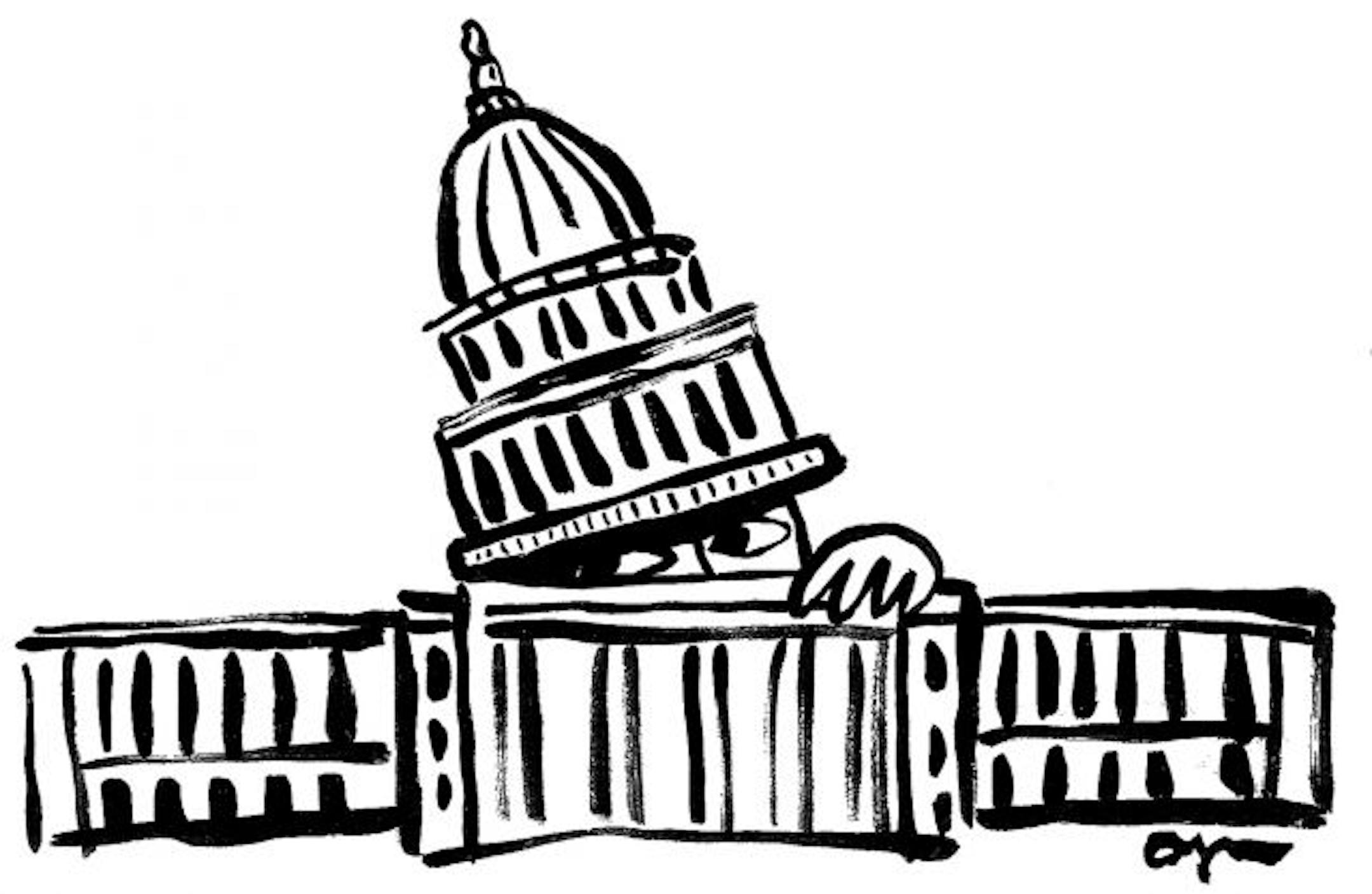
American politics reached a pivot point this week. A new story line will now define how voters and the media see what's going on.
Since election day in 2010, the prevailing narrative has been about a resurgent conservatism, a president on the defensive, big government under attack, the deficit as the dominant issue, andthe Tea Party as the political system's prime mover.
The backdrop for this saga has been an ailing economy. The troubled economy, alas, is still with us. But everything else is in flux.
Consider the week's three jolts to the system:
First, the decision of New Jersey Gov. Chris Christie to forgo the Republican presidential contest almost certainly settles the party's field. This means that the next several months will be all about Mitt Romney and what it is he actually believes.
Romney wants to keep running against President Obama and a bad economy. His opponents -- especially Texas Gov. Rick Perry, still his leading rival despite numerous missteps -- want the contest to be about ideology and Romney's shortage of discernible philosophical commitments.
The more the race highlights ideology, the more uncomfortable things will get for Romney.
Second, Obama crossed the Rubicon. Having called out congressional Republicans in general terms, he took the next step and specifically assailed House Majority Leader Eric Cantor for blocking the administration's jobs bill.


