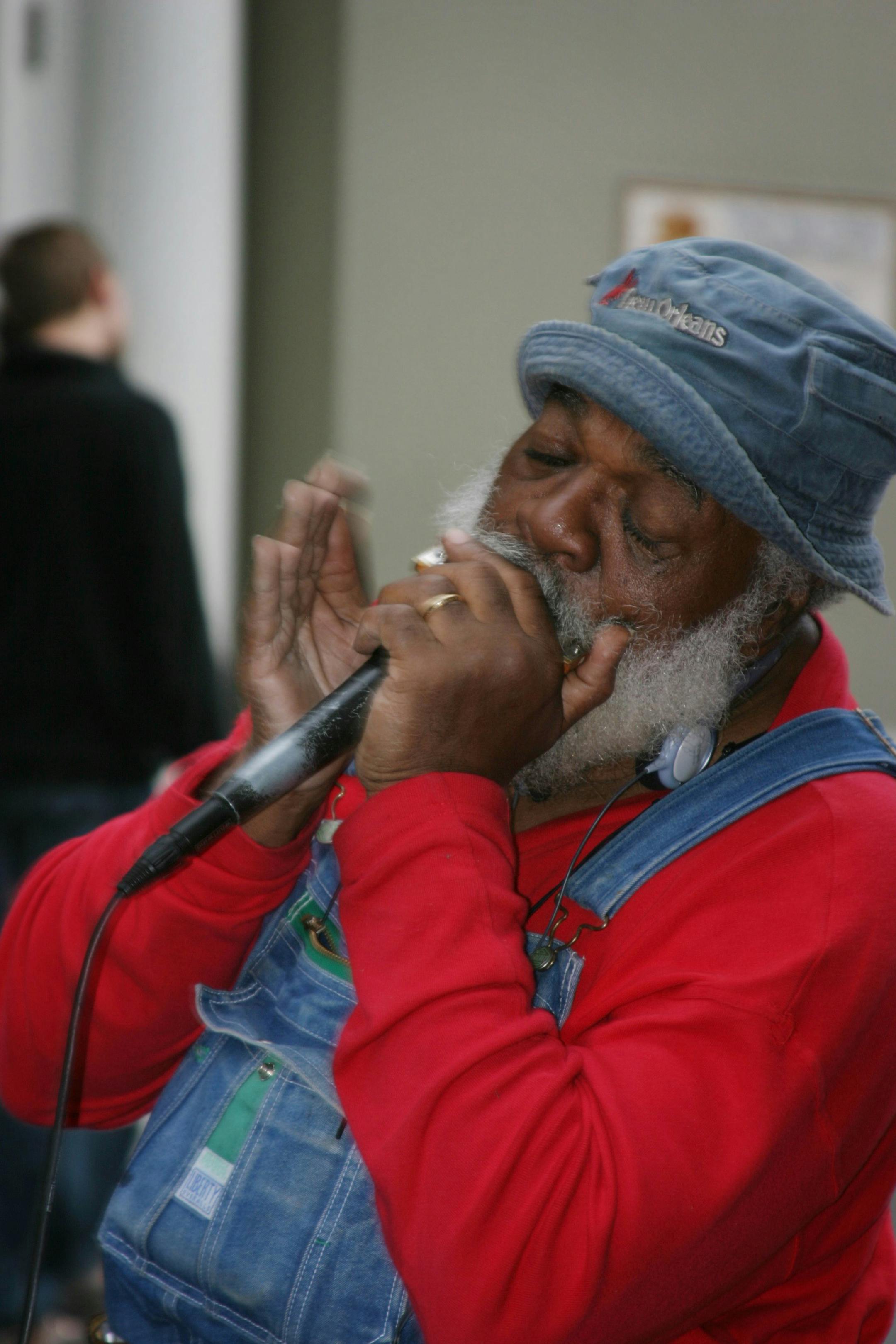
A line outside Vaughan's Lounge snaked down the block, and it wasn't people waiting to get in. They were there to chow down.
Renowned trumpeter Kermit Ruffins performed inside this rustic Bywater neighborhood bar while an enormous barbecue smoker parked outside, blending smoke with the muggy New Orleans evening air.
Ruffins famously used to do the barbecuing himself for this Thursday tradition, but this night he pulled up in an immaculate black Cadillac Escalade while Atlanta transplant Anthony Miller piled sausages and pork chops on the grills.
"I'm actually a painter by trade," Miller said. "I came to town for all the construction work after Katrina, but that dried up pretty quick. People aren't thinking about painting their houses right now when they can't afford gas and groceries. So I went into the barbecuing."
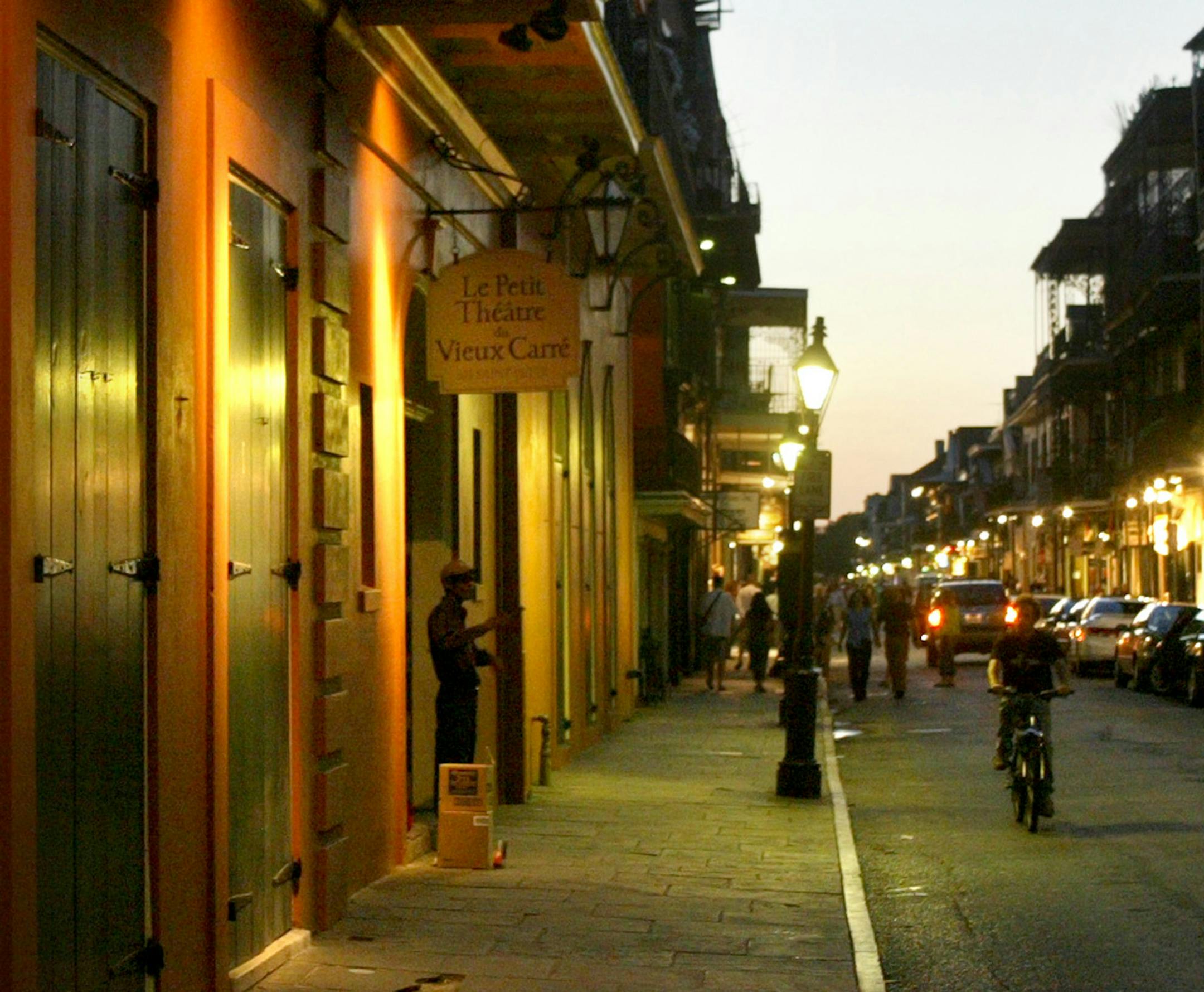
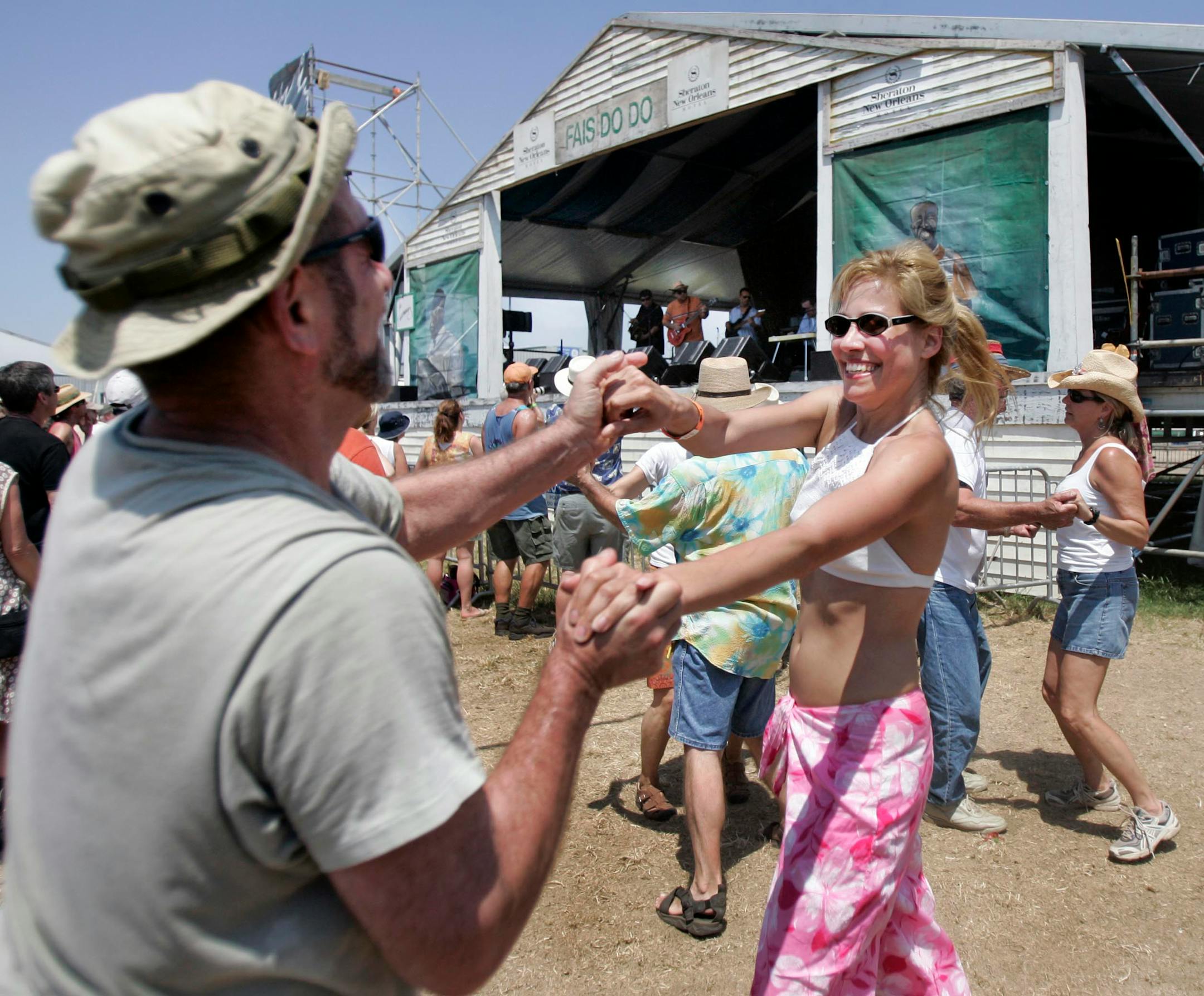
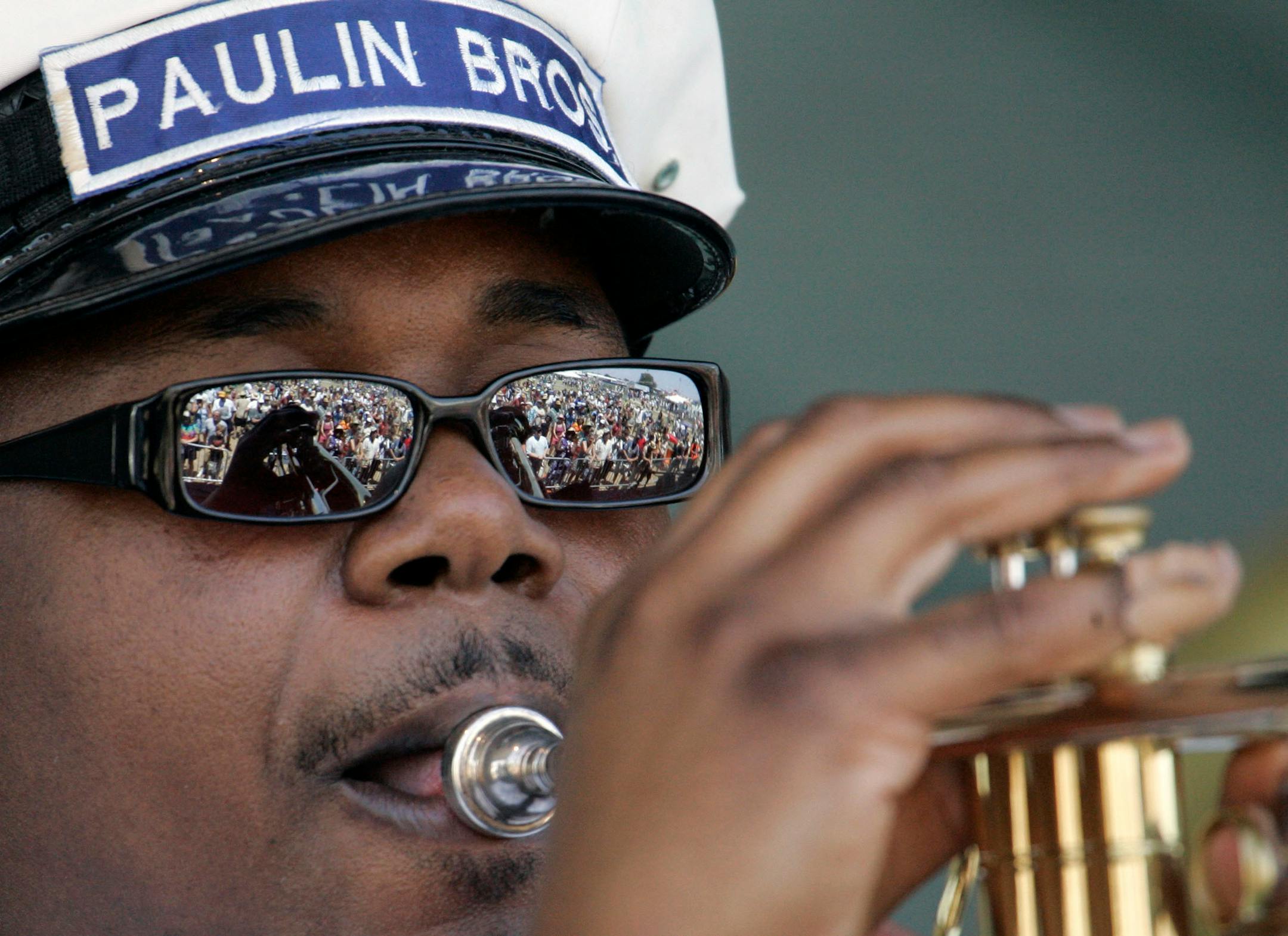
Between Miller's smoky meat and Ruffins' smoking trumpet playing, the scene at Vaughan's painted the perfect picture of the two local commodities -- nay, art forms -- keeping New Orleans afloat: Music and food. Long this city's lifeblood, those two scenes have become its lifeline.
As the third anniversary of Hurricane Katrina arrives next week, most of the famous restaurants have reopened, and many new ones have been added. Meanwhile, all the renowned music venues are rocking again, and the musical community itself is a shining example of post-K philanthropy.
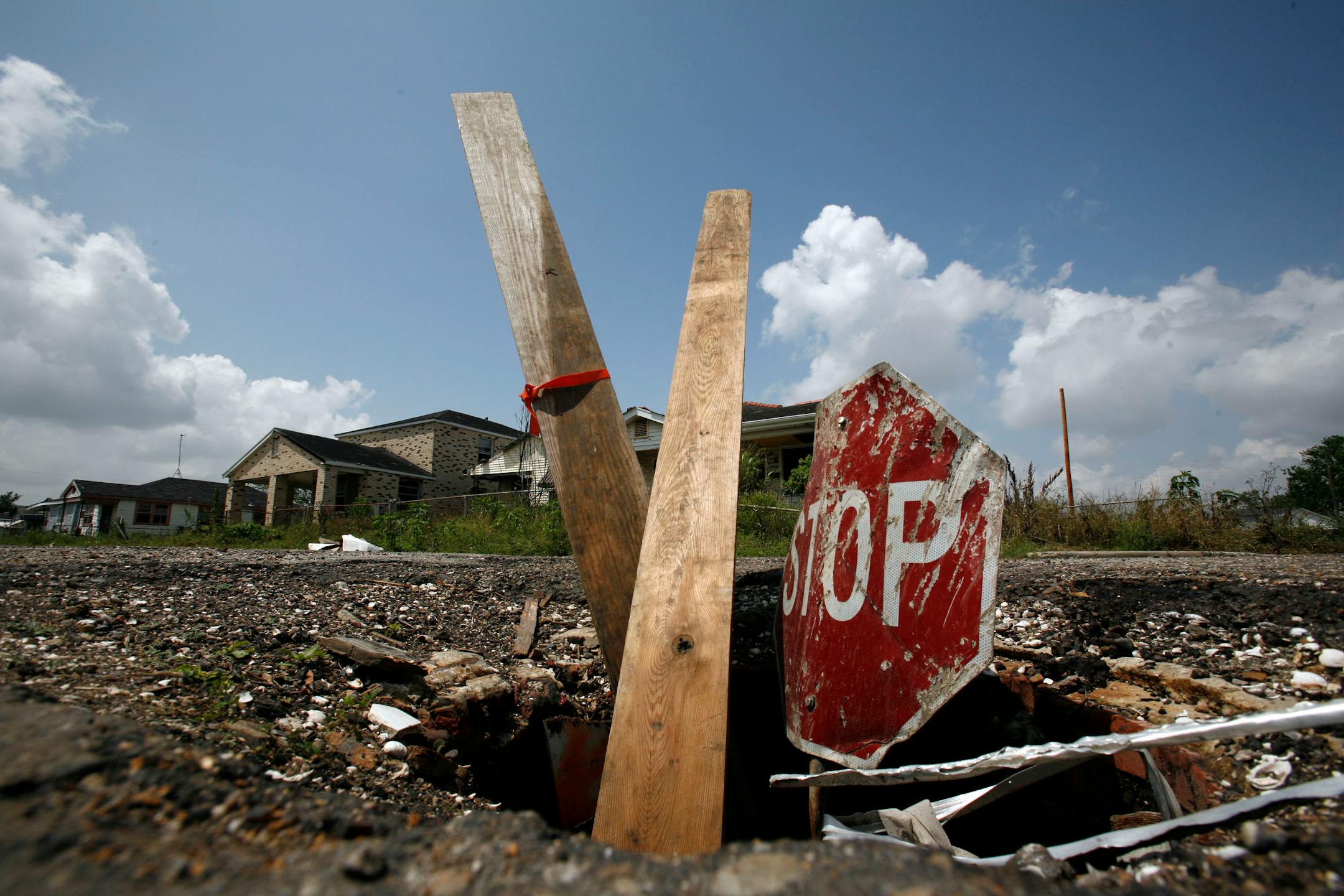
But, make no mistake, much of New Orleans is still hurting and you don't have to travel far outside the mostly undamaged French Quarter to see the scars that remain.
A small city of people live in tents under the highway overpasses just north of the Quarter. Boarded-up buildings and empty storefronts mar the Central Business District. Adjacent to the refurbished Superdome, the Hyatt Regency sits dormant, a towering reminder that things are still amiss.