

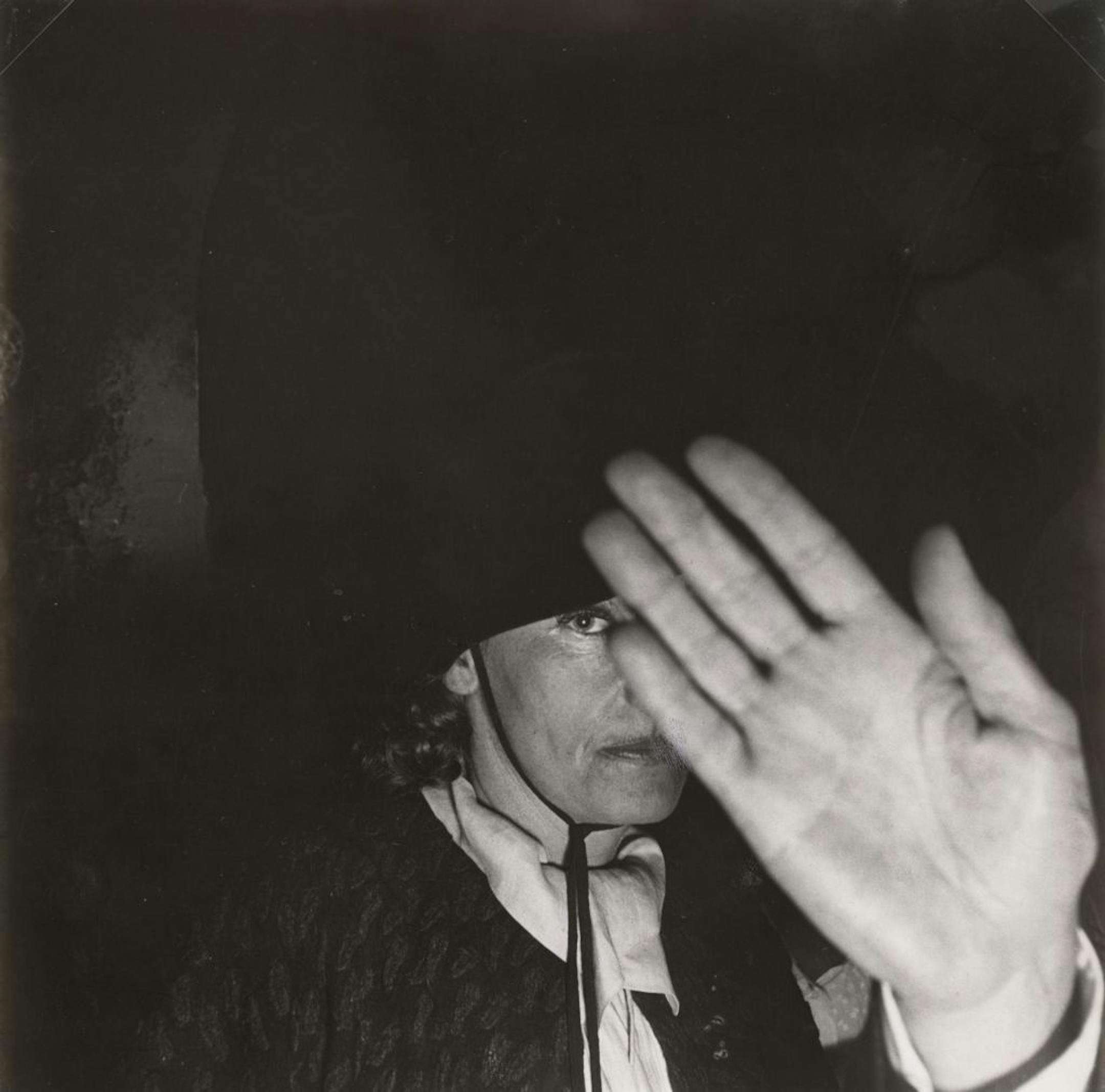
Are you being watched?
Most likely. Surveillance, especially by camera, is a fact of modern life.
There's still a difference between private moments and the public scrutiny that accompanies fame or notoriety. But just within the past decade, the ubiquity of cameras has redefined public and private life, sometimes with tragic consequences. The recent suicide of a Rutgers University student after his roommate posted surreptitious videos of the boy in a homosexual embrace raised a host of questions about the brutal consequences of unwanted cinema verite. And since every image goes public eventually, it's only a matter of time before the photos of Osama bin Laden's body go viral.
A strange new exhibit, opening Saturday at Walker Art Center, examines some of the darker psychological angles of camera culture as it has evolved over the past 140 years, though it is disappointingly mum on hot-button contemporary situations. Its premise is that voyeurism is now, and always has been, the essence of photography.
Called "Exposed: Voyeurism, Surveillance, and the Camera Since 1870," the show features about 150 mostly black-and-white images, including news and documentary pictures; paparazzi shots of celebrities; sex and bondage photos, and images from spy and security cameras. Spanning more than a century, subjects range from a heap of sepia-toned skulls beside a Civil War grave to a blurry snap of Paris Hilton sobbing in the back of a police car.
While a few of the more recent color pictures are as large as posters, many of the images are about the size of postcards, which oddly subdues their impact and simultaneously draws viewers in. A little 1930 photo of a Texas lynching by an unknown photographer, for example, is horrific and unforgettable -- first, because the hideously burned body of the victim, George Hughes, dangles from an ashy tree in the center of the picture and, second, because four of his likely killers, all bug-eyed white guys, pose with the corpse. Who took the photo and why? Was it to document an atrocity so the perpetrators could be brought to justice? Or, more likely, was it intended as a ghoulish souvenir and warning card?
Organized by the San Francisco Museum of Modern Art, the show offers no answers to such questions, leaving viewers to draw their own conclusions about what curator Sandra S. Phillips calls the "amoral allure" of violence. Smaller modern cameras enable us to more easily invade others' privacy, she writes, and to "look at sex or death with the same prying curiosity."
Five themes


