

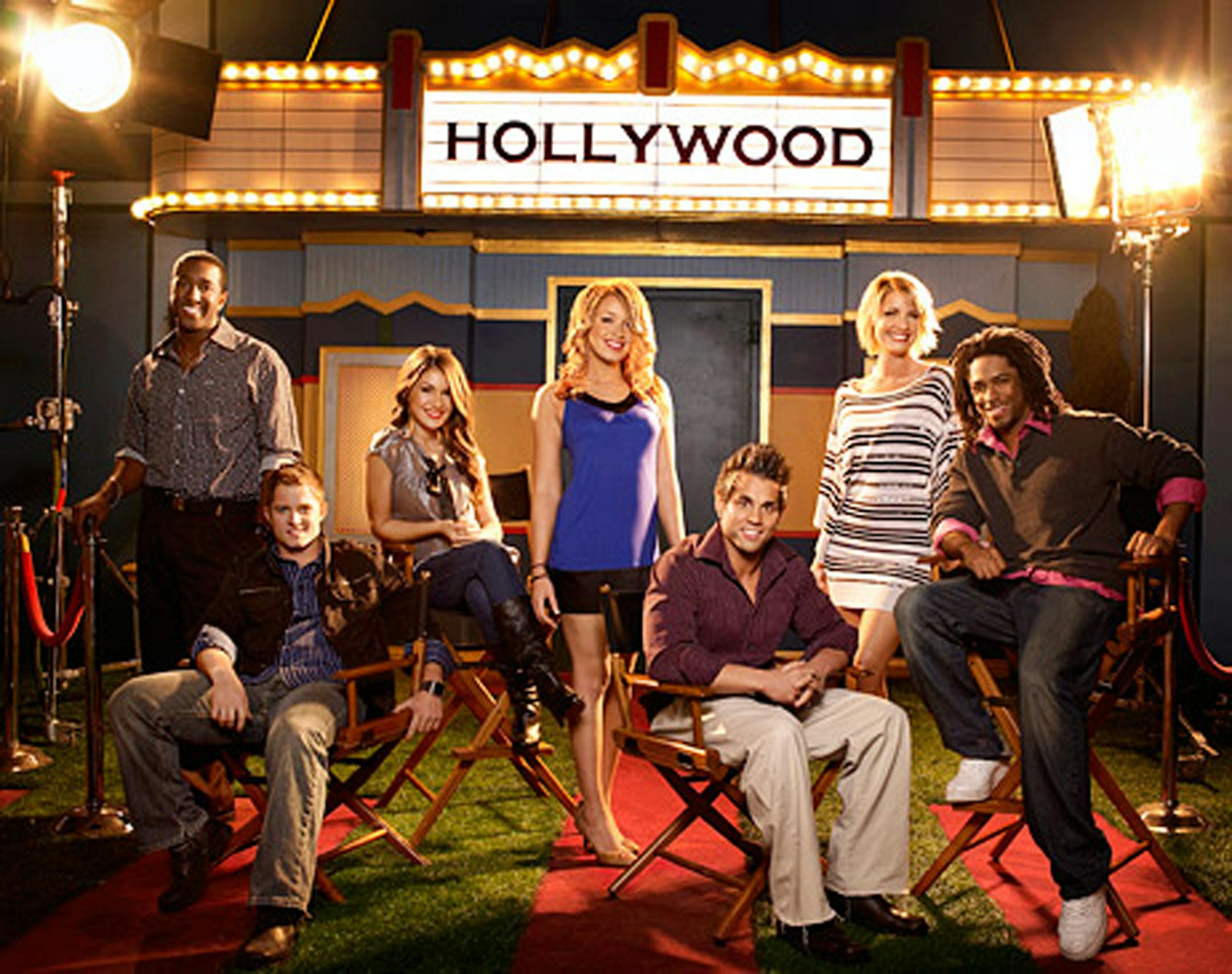
What happens when seven strangers, picked to live in a house, work together and have their lives videotaped to find out what happens when people stop being polite and start being real? Television changes forever. "The Real World" recently celebrated nearly 20 seasons on the air with raucous awards honoring the best melees, make-out sessions and meltdowns. The special premieres tonight on MTV.
It would have been more fitting if the former participants had arrived at the event with black armbands, heads bowed in shame, begging forgiveness for the evil they had spawned. I would have been satisfied if more of the "graduates" had just followed the cue from Eric Nies, the bronzed beauty from 1992's inaugural season who appeared to be allergic to shirts. After an irreverent awards opening, which concluded with host Jeffrey Ross being tossed in the pool, Nies split.
"It's sad that it became all about making fun of people," Nies said a few days after the taping. "I'm a little disappointed that reality TV had such a huge opportunity to have an impact on people's lives, but most of the shows have been train wrecks."
Nies' lament might shock a generation that has grown up defining the genre by Ozzy Osbourne shuffling and swearing his way across the house or fire-breathing bachelorettes competing for the affections of a life-size Ken doll. But those first three seasons of "The Real World" were packed with so much heated and revealing discussion about race, religion and gender that there was little time to strip and slip into the hot tub -- a fallback device for just about every reality series ever since.
"If you look at the show over the years, there have always been gay characters, there has always been racial tension, there has always been the white guy learning something, but it's also gotten more sensational," said Laurie Ouellette, a communications professor at the University of Minnesota and co-author of "Better Living Through Reality TV," a new book that tracks the impact the genre has had on American culture. "Now it's got more of a spring-break feel."
The show's origins don't suggest that anyone planned on creating a platform that would launch the likes of Tila Tequila into stardom.
'We knew we had something'
In 1991 Jonathan Murray and the late Mary-Ellis Bunim were working on a scripted soap opera for MTV, which would feature unknown actors living together. The fledgling network quickly realized that the budget for such a show would be more than they could handle, and prepared to cancel the project. Murray and Bunim then shared an idea they were working on for Fox called "American Families," a documentary-style program inspired by the 1973 PBS film, "An American Family," which followed the trials and tribulations of the Loud family. With an estimated budget of $87,000, MTV signed off.


