

Opinion editor's note: Star Tribune Opinion publishes a mix of national and local commentaries online and in print each day. To contribute, click here.
•••
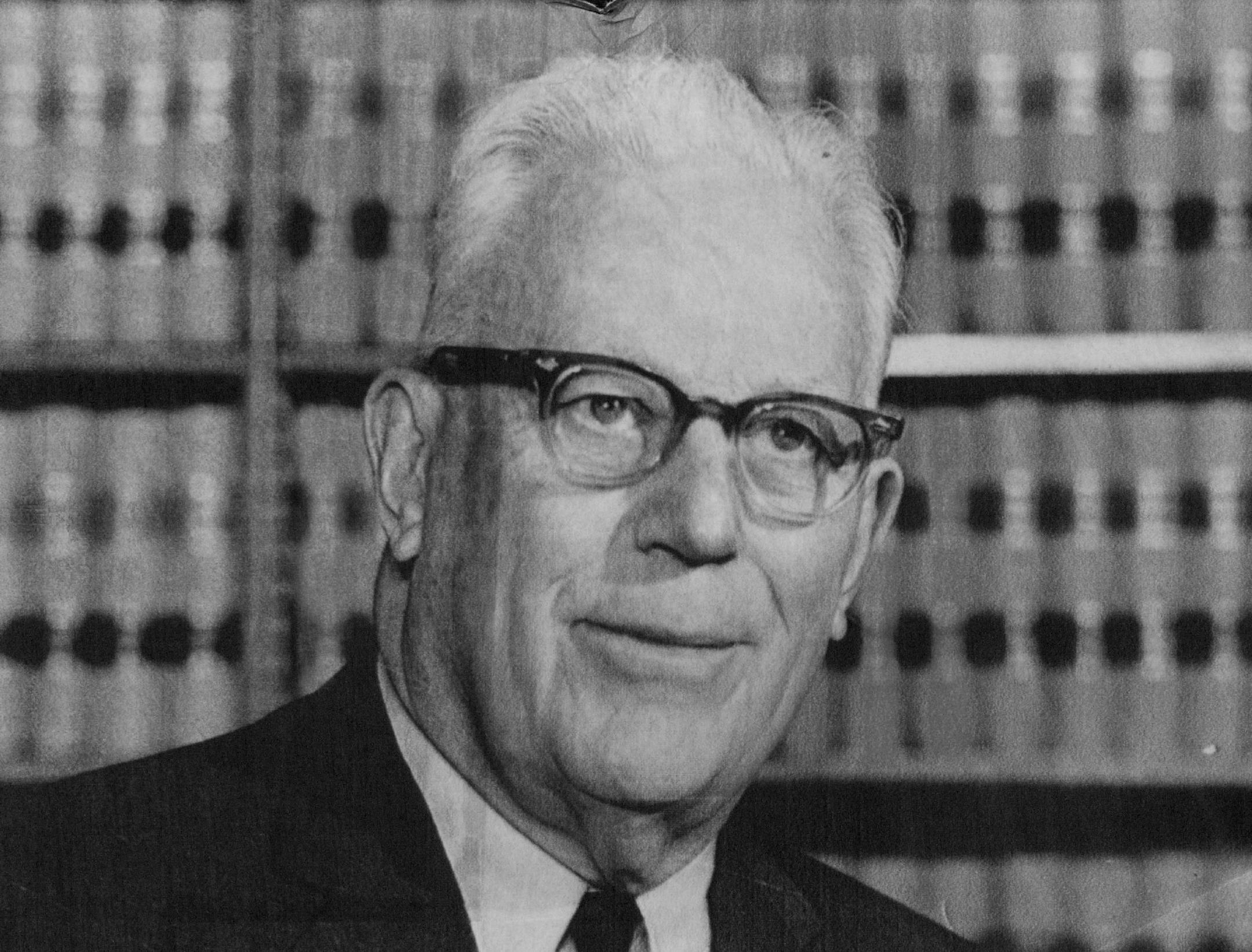
I'll admit to being troubled by the Aug. 31 ruling by the judge in Donald Trump's upcoming Georgia trial that the proceedings will be televised and live-streamed. With all due respect, I'd like to offer a brief dissent. I'm no fan of former President Trump. But I've long agreed with Chief Justice Earl Warren, who argued a bit over a half-century ago that criminal defendants should be able to veto cameras at their trials.
Defense lawyers have argued for decades that the intrusion of cameras might alter the behavior of witnesses, counsel, perhaps even judge and jury. Though the evidence thus far hasn't borne out this worry, the issue remains hotly contested. But my own concern is less about whether televised trials are fair to the defendant than about the effect they might have on the audience.
The case in favor of televising Trump's trial is most clearly put in the recent letter from leading Democrats to the Judicial Conference of the United States, seeking waiver or reconsideration of the rule barring cameras at most federal court proceedings: "If the American people are to accept the outcome, it will be vitally important for them to witness, as directly as possible, the full facts and evidence."
But is this really what's likely to happen? Warren didn't think so. On the contrary, he argued that because not all trials are televised, the choice of which ones to cover "singles out certain defendants and subjects them to trials under prejudicial conditions not experienced by others" — and this before a single shred of evidence has been admitted.
Warren made the comment in his concurring opinion, joined by fellow liberals William Douglas and Arthur Goldberg, in a 1965 case where the U.S. Supreme Court essentially imposed a moratorium on cameras at criminal trials. The court would change its mind 16 years later, but with next month marking the 70th anniversary of Warren's elevation to the center chair, his concerns are worth repeating.
In the first place, Warren argued, the trials most likely to attract cameras would be those featuring "the very persons who encounter the greatest difficulty in securing an impartial trial, even without the presence of television." For just this reason, Warren rejected the assertion that viewers would learn much from the spectacle:


