

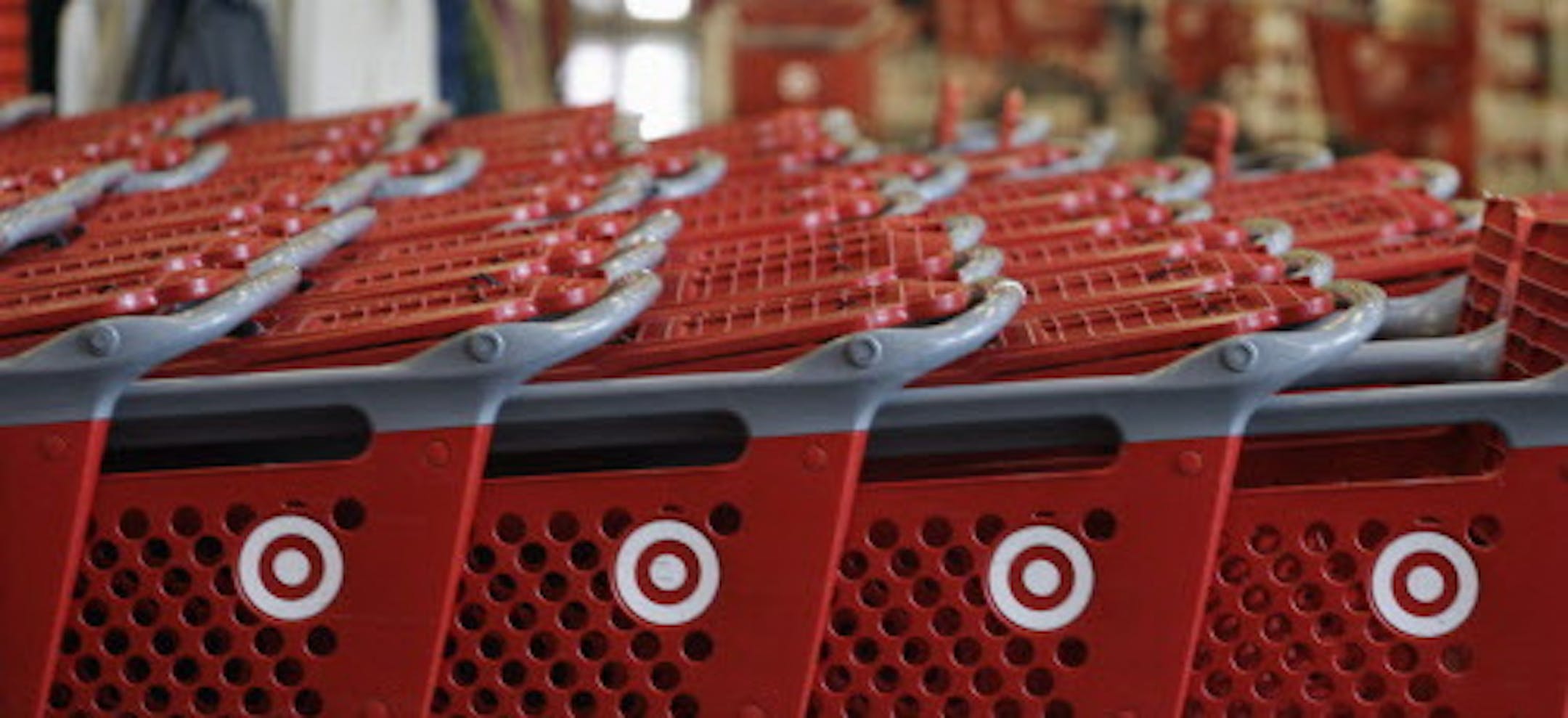
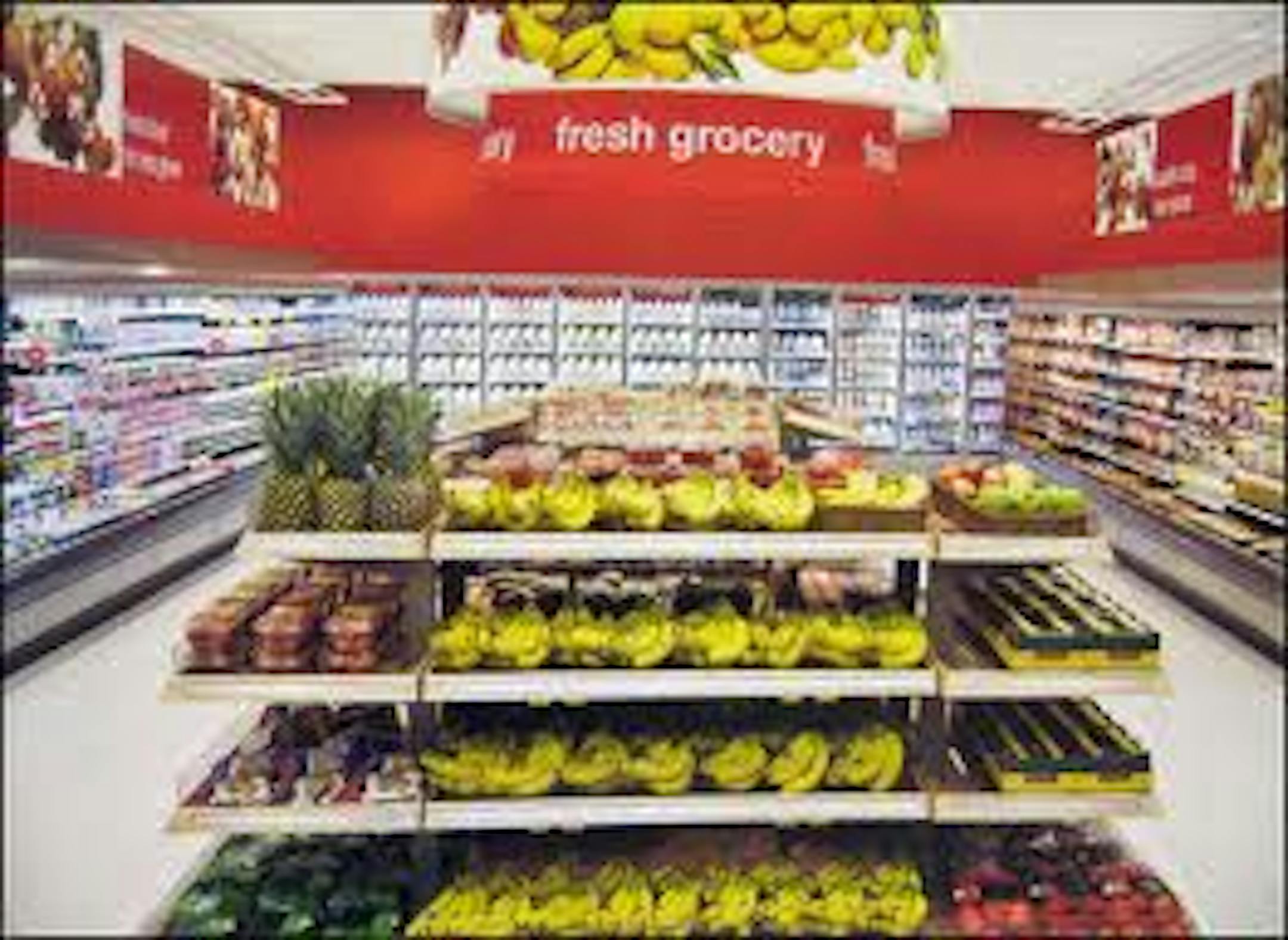
It's no secret that Target Corp. has high hopes for its PFresh grocery format. Food and grocery products are driving most of Target's slow comp sales growth—0.5 percent over nine months. PFresh also attracts a lot of repeat business since people will eventually run out milk and bread.
Grocery items are not the easiest things to carry, even for people just wanting to make a quick run for a few items. So why does Target located PFresh so far away from store entrances?
Precisely because Target does not want consumers to make a quick run for a few food items.
"Target wants PFresh customers but they don't want just PFresh customers ," said Amy Koo, an analyst with Kantar Retail consulting firm in Boston.
Target's strategy has always been to get people to buy as much as they can in a store. You may have intended go to a Target only to buy milk and bread but you wind up leaving with a cart full of higher margin clothes, accessories, and home goods. Think about the REDcard 's 5 percent discount of total purchases. The more you buy, the bigger the discount.
That strategy is embedded in the store design: to get to PFresh, you must generally pass through a gauntlet of clothes, shoes, jewelry, and sporting goods, a pathway that will inevitably tempt you to buy more.
"It's like Target is saying 'we are going to call you on your bluff,'" Koo said. "You may have intended to buy food but you really want to buy clothes."
Excluding SuperTargets, regular Target stores usually have only one entrance, lest you sneak in through a side door closer to PFresh.


