



NEW YORK—Shortly after the Star Tribune posted my story about Target's plan to showcase exclusive merchandise from five boutique shops across the country, including The Candy Store in San Francisco, a reader posted this comment:
"Why would one of the biggest retailers in the world be a reseller of products that it can buy wholesale and market themselves? Why do they need The Candy Store?"
Good question.
The answer is that Target is not selling products from The Candy Store. Target is selling The Candy Store itself. I'll explain.
It's no accident that Target chose the Meatpacking District in Chelsea Thursday to debut its Shops at Target concept. Despite its name, not a whole lot of meatpacking goes on here these days. Instead, you'll find retailers like the Apple Store and Alexander McQueen.
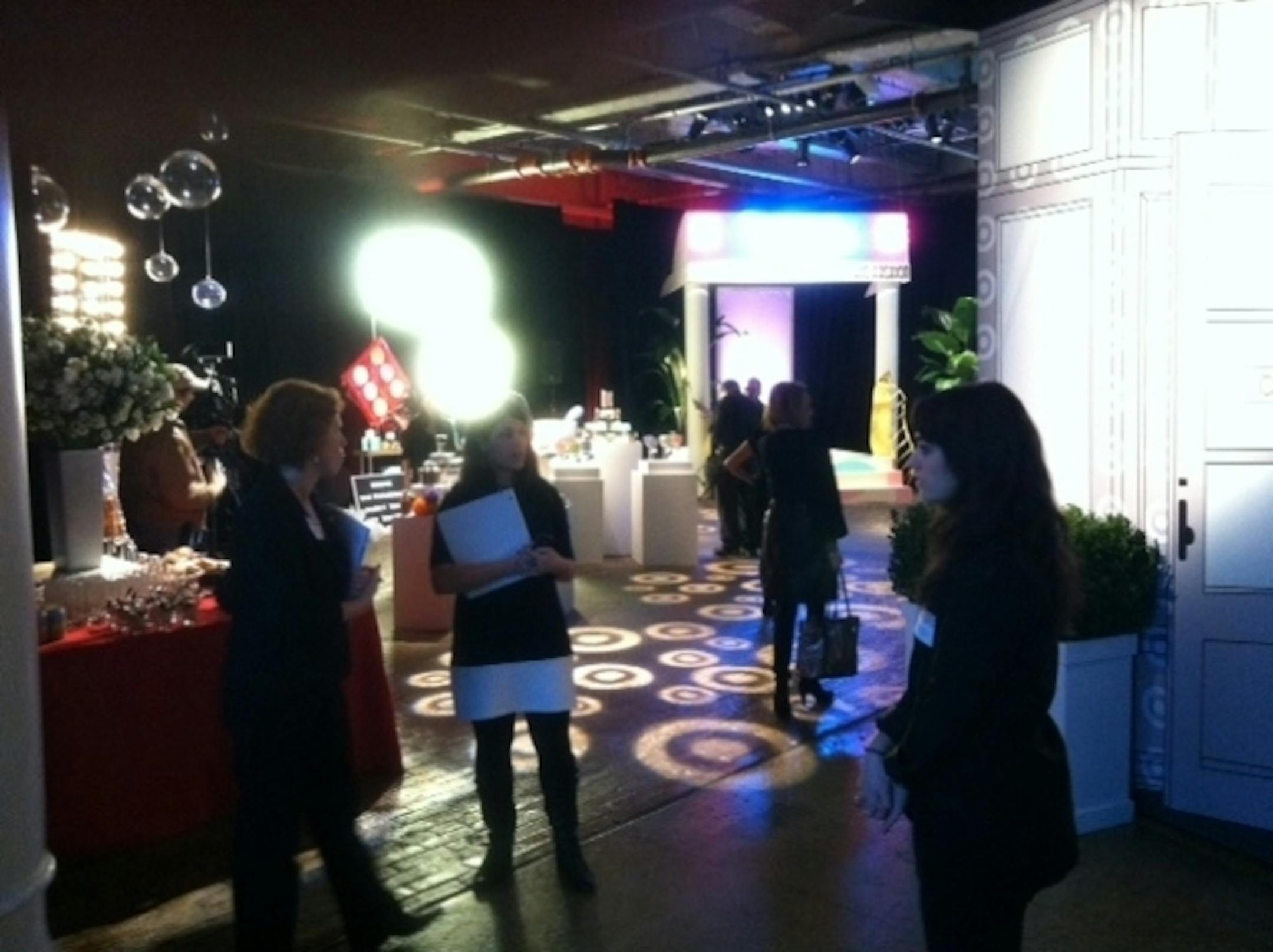
Inside the Highline Studios, an army of attractive public relations women stood watch as journalists examined elaborate sets dedicated to products co-designed by Target and its boutique partners: The Candy Store, Cos Bar, The Webster, Privet House, and Polka Dog Bakery.
But the real stars of Target's show were the owners/founders of the boutiques, each with different stories, backgrounds, and clienteles.
People like Richard Lambertson and Suzanne Cassano, whose Privet House serves a mostly wealthy, Hamptons-like crowd in rich towns like Warren and Greenwich, CT. Or Brian and Diane Campbell, an earnest, everyday looking couple who operate one The Candy Store location in San Francisco.

Target officials made clear that they were marketing the stores just as much as the products. For a year, Target sent people to scout the stores before they even contacted the owners.
"We were totally surprised," said Brian Campbell. "We absolutely had no idea. It was shocking. Is this for real?"
Though the boutique's merchandise will be displayed in separate departments within the store, Target.com will group the boutiques together under "The Shops at Target," and feature documentaries on each store.
So yes, like the reader pointed out, Target could easily just stock their products. But then again, so can any other retailer.
What sets Target apart is that retailing is just one part of their business. The company also sees itself as merchandiser, curator, marketer, and designer.
"We want to bring the stores to life through our stores," said Stacia Andersen, senior vice president of Target's home division.
Big boxes can be large, intimidating, impersonal jungle of random goods. Adding the cheerful, intimate feel of a boutique can make Target more like a downtown Main Street than a chunk of soulless real estate.


