

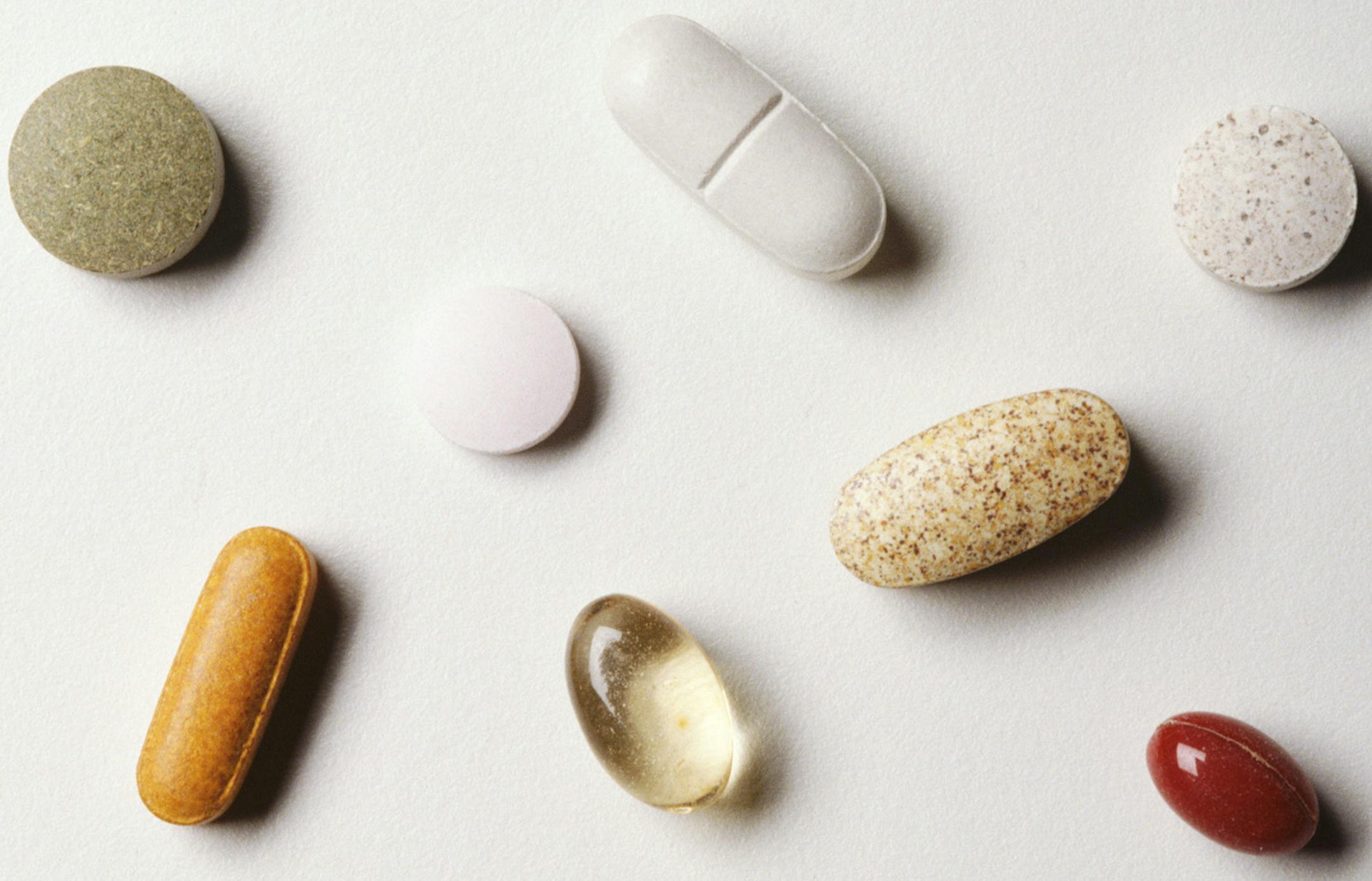
Maybe you have comforted a crying child by kissing her scraped knee and seen her tears turn to a smile. Perhaps you've stumbled half-asleep to the medicine cabinet, taken a pill for the headache that woke you, felt better — and the next morning discovered your relief came from a calcium tablet.
Or maybe you took your arthritic knee to a hospital where you had a completely fake procedure in which surgeons made incisions but didn't actually remove the cartilage whose deterioration causes osteoarthritis — after which you had less pain and began walking better than you had in years.
OK, you probably never experienced the last one. But scores of patients did. In a groundbreaking study, patients with osteoarthritis of the knee merely thought they had received arthroscopic surgery and their knee pain diminished as much as in patients who actually received the $5,000 procedure.
It is tempting to say that "mere thought" or "mere belief" caused these patients to feel and function better, just as the child's trust in her mother made her knee feel better and our belief in little white pills made the calcium tablet relieve a headache.
But doctors and scientists have learned there is nothing "mere" about how thoughts, beliefs and the power of the mind affect the body.
"What we believe and expect can significantly influence the outcome of a disease, how much pain we feel, even whether Parkinson's symptoms diminish," says neuroscientist Mario Beauregard of the University of Montreal, whose new book "Brain Wars" examines the basis for the placebo response in the brain.
The first rigorous experiment to look for the mechanism underlying the placebo response was reported in 1978; Dr. Jon Levine and colleagues at the University of California, San Francisco, found that patients given a placebo and naloxone, a drug that blocks the brain's natural morphine-like compounds, experienced more pain than patients given only a placebo.
"This study was the first to show that placebos relieve pain by activating the brain's natural painkillers," says Beauregard. "But it did more: It brought the placebo response in from the fringes of medical science."


