

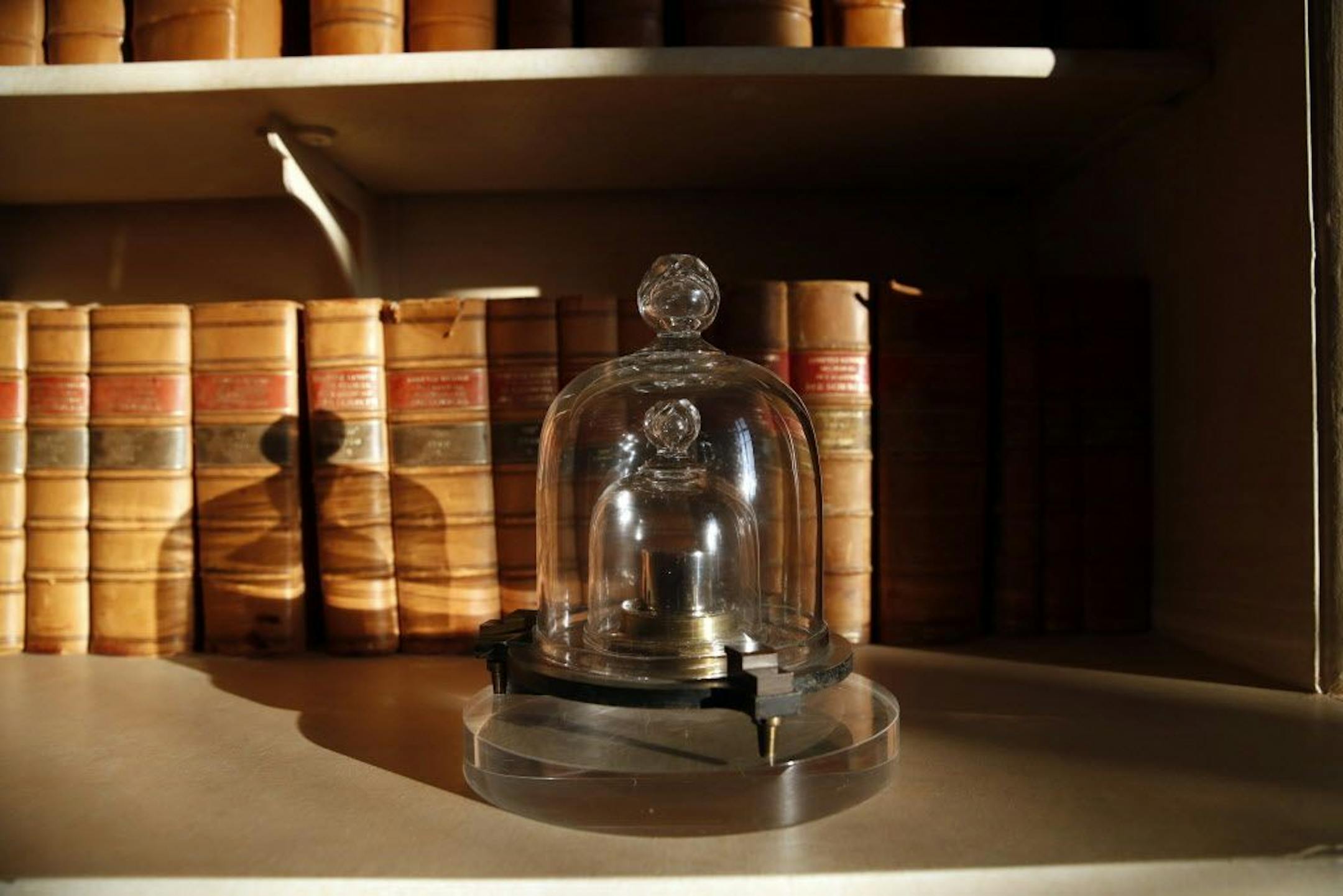
VERSAILLES, France — In a historic vote, more than 50 nations unanimously approved an overhaul of the international measurement system that underpins global trade and other human endeavors, uniting Friday behind new definitions for the kilogram and other units in a way they fail to do on many other issues.
Scientists, for whom the update represented decades of work, clapped, cheered and even wept as delegates gathered in Versailles one by one said "yes" or "oui" to the change, hailed as a revolution in how humanity measures and quantifies its world.
The redefinition of the kilogram, the globally approved unit of mass, was the mostly hotly anticipated change. For more than a century, the kilogram has been defined as the mass of a cylinder of platinum-iridium alloy kept in a high-security vault in France. That artefact, nicknamed "Le Grand K," has been the world's sole true kilogram since 1889 .
Now, with the vote, the kilogram and all of the other main measurement units will be defined using numerical values that fit handily onto a wallet card. Those numbers were read to the national delegates before they voted. The update will take effect May 20.
Scientists at the meeting were giddy with excitement: some even sported tattoos on their forearms that celebrated the science.
Nobel prize winner William Phillips called the update "the greatest revolution in measurement since the French revolution," which ushered in the metric system of meters and kilograms.
The Grand K and its six official copies, kept together in the same safe on the outskirts of Paris and collectively known as the "heir and the spares," will be retired but not forgotten. Scientists want to keep studying them to see whether their masses change over time.
The update will have no discernable impact for most people. Bathroom scales won't suddenly get kinder and kilos and grams won't change in supermarkets.


