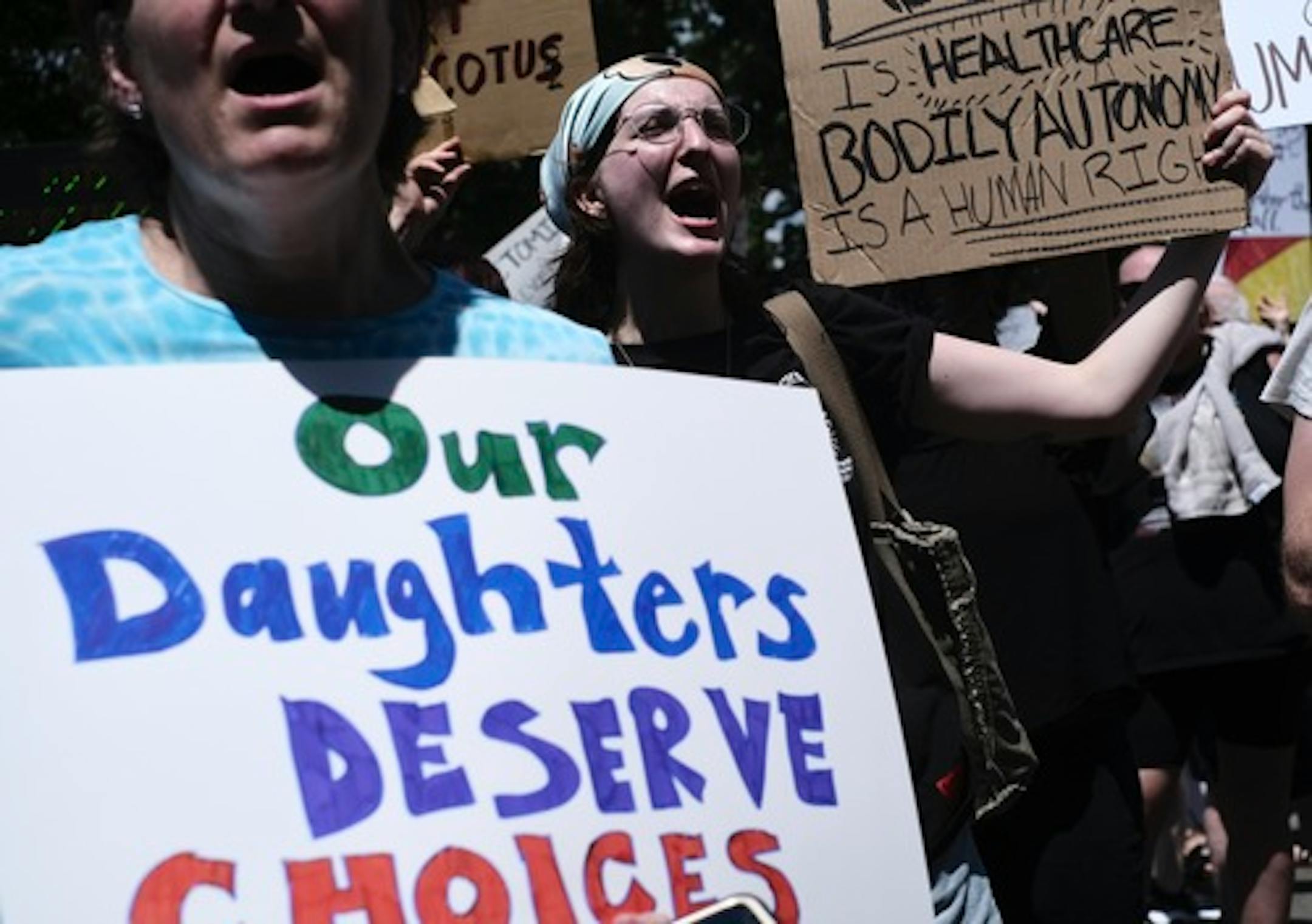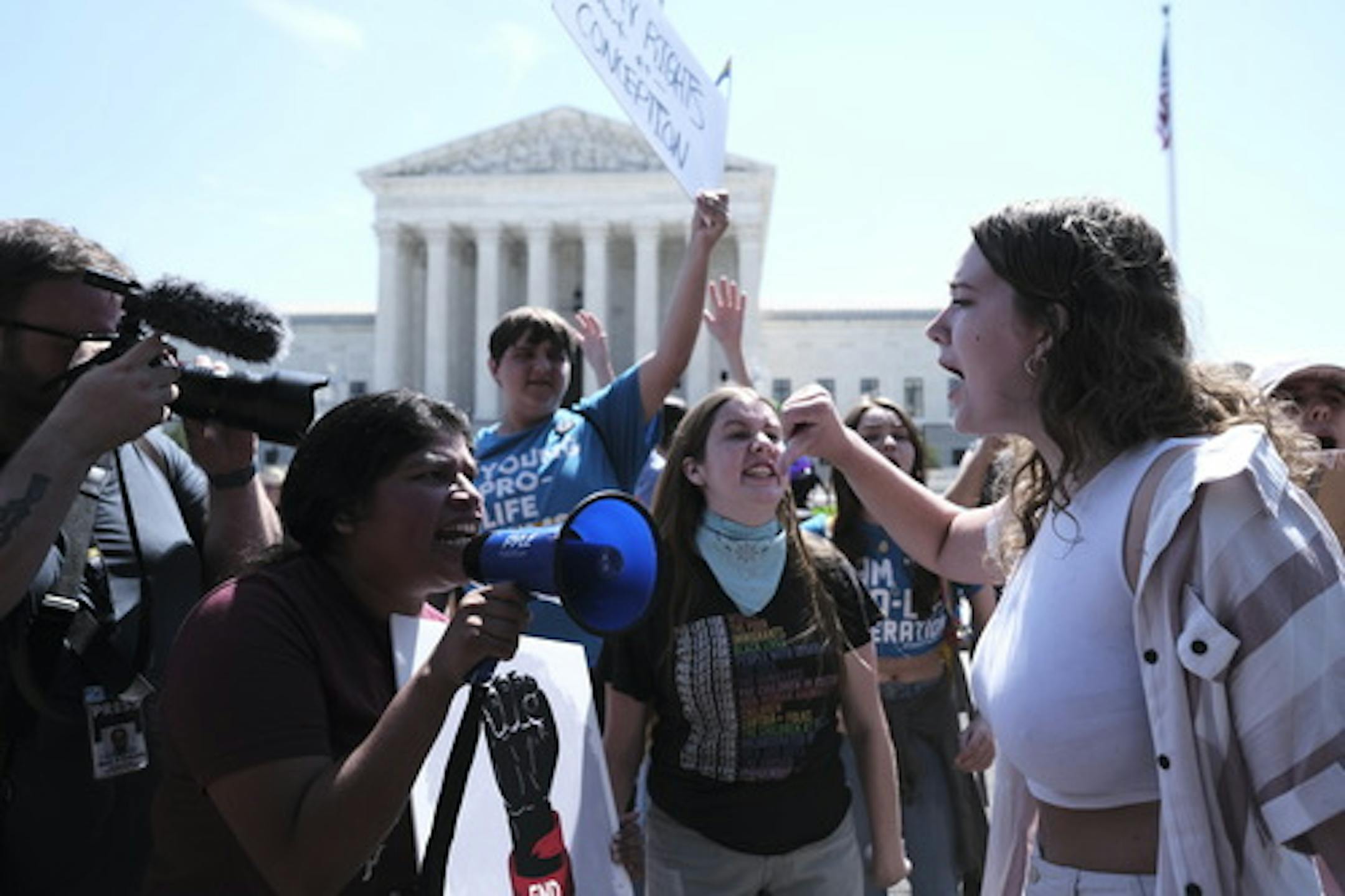
The U.S. Supreme Court's new majority boldly signaled with twin rulings this week that public opinion would not interfere with conservative plans to shift the nation's legal landscape.
The court rejected Roe v. Wade, a 49-year-old legal precedent that guaranteed the right to an abortion, after a string of national polls showed a clear majority of Americans wanted the opposite result. A similar court majority invalidated a 108-year-old New York state law restricting who can carry concealed guns that is supported by nearly 8 in 10 New Yorkers, according to a recent poll by Siena College.
Rather than ignore the dissonance, Justice Samuel Alito, writing for the majority in the abortion decision, attacked the notion that the court should consider the public will. He quoted the late Chief Justice William Rehnquist from a previous ruling: "The Judicial Branch derives its legitimacy, not from following public opinion, but from deciding by its best lights."
"We do not pretend to know how our political system or society will respond to today's decision overruling Roe and Casey," Alito continued the court's opinion in the case that overturned the constitutional right to abortion. "And even if we could foresee what will happen, we would have no authority to let that knowledge influence our decision."
The assertion punctuates a shift that has been evident on the high court since the death of Justice Ruth Bader Ginsburg in 2020. The high court during the George Bush, Barack Obama and early Donald Trump administrations generally hewed closely to shifting public views on key social issues like same-sex marriage, private sexual conduct, workplace protections for transgender people and popular support for laws and executive orders on immigration and health care.
Maya Sen, a professor of public policy at Harvard University, is one of several academics who have noted the recent shift by studying public polling on issues decided by the high court over the course of more than a decade.
"Up until a couple years ago, it used to be the case that where the court fell was well within the lines of the average Americans' positions," Sen said. "Now we are estimating that the court falls more squarely in line with the average Republican, not the average American."
The shift has created what Democrats view as a political opportunity - to use the court's recent rulings, particularly around abortion, to mobilize voters in the fall. The entire Democratic establishment, from the White House, House and Senate, has united around the strategy, making anger at the court's ruling one of the few clear pitches that the party is deploying for the midterm elections.