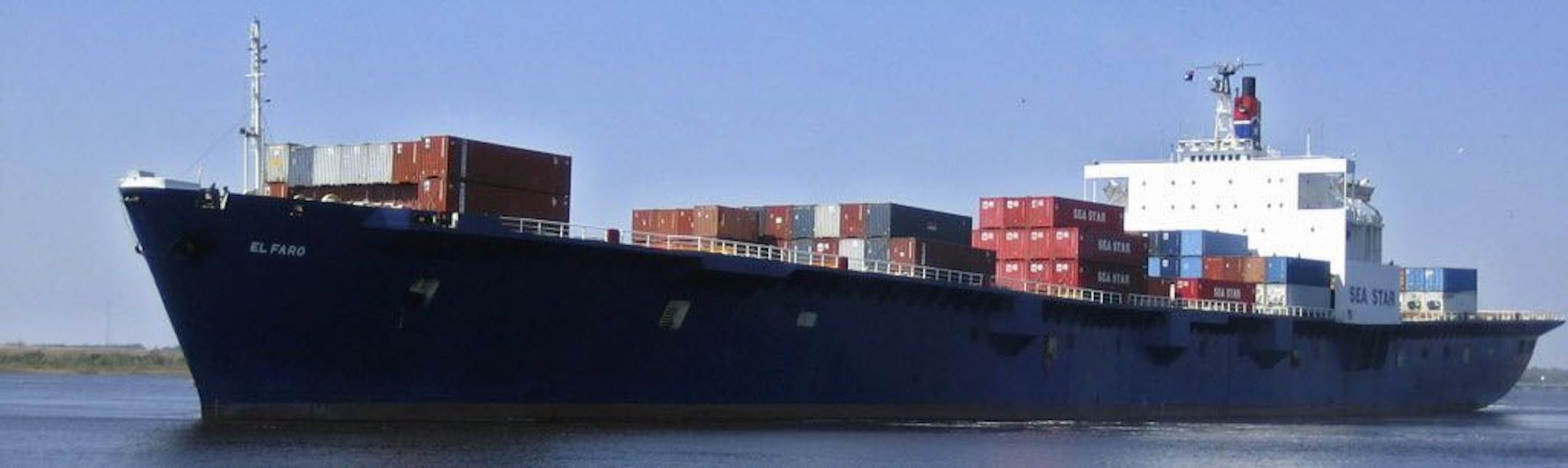
JACKSONVILLE, Fla. — On board the 790-foot El Faro when it set out on its doomed voyage into the path of Hurricane Joaquin were five Polish workers whose job was to prepare the engine room for a retrofitting.
Could that work have caused the loss of power that led to the U.S. container ship's sinking?
The vessel's owners say they don't believe so, but the question — along with the captain's decision to plot a course near the storm — will almost certainly be part of an investigation launched Tuesday by the National Transportation Safety Board into the disaster near the Bahamas that may have claimed 33 lives.
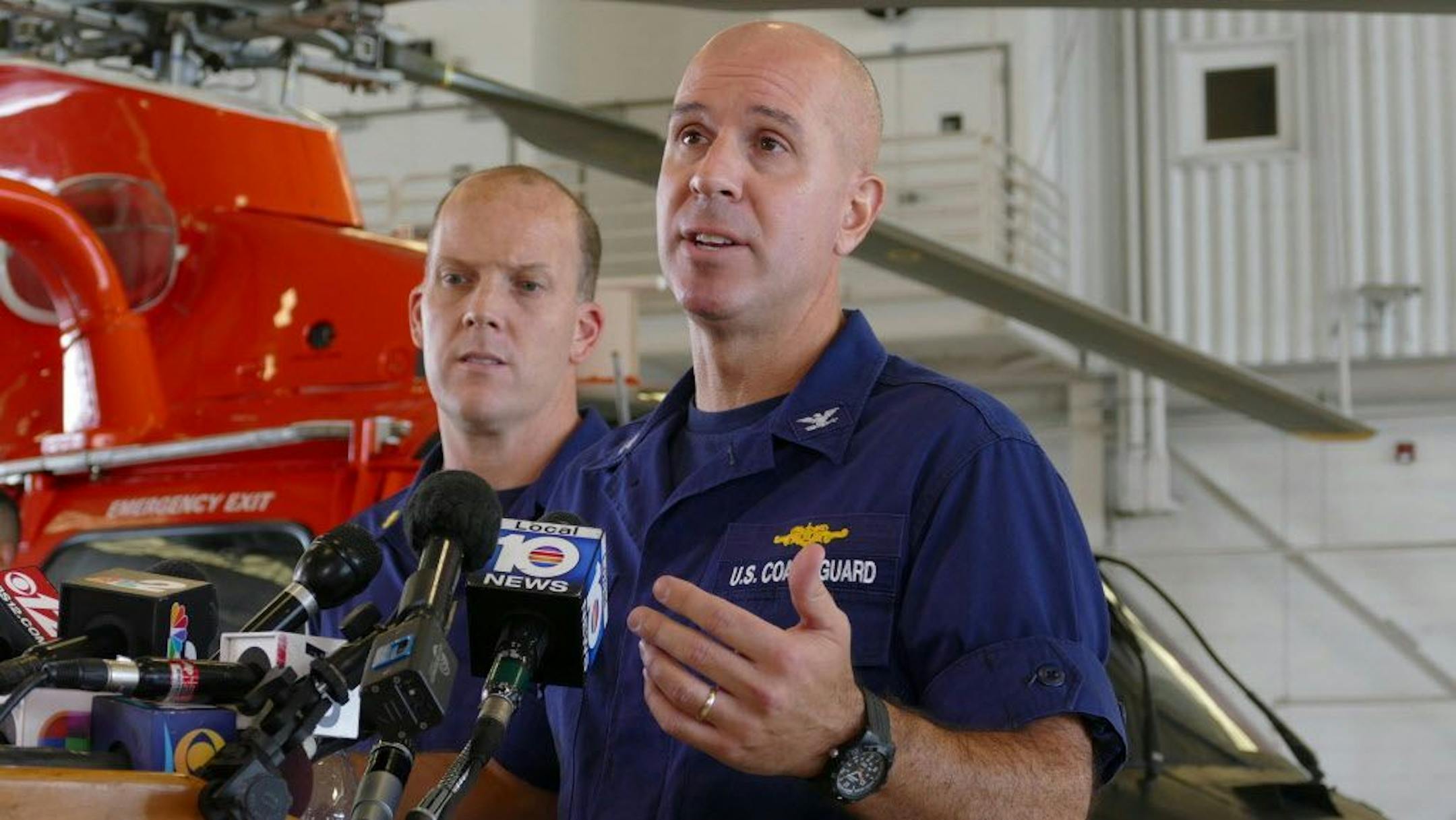
"We don't have all the answers, I'm sorry for that. I wish we did," Anthony Chiarello, president and CEO of ship owner Tote Inc., told reporters. "But we will find out what happened."
The 41-year-old El Faro was scheduled to be retired from Caribbean duty and retrofitted in the coming months for service between the West Coast and Alaska, said Phil Greene, another Tote executive.
The El Faro and its equally aged sister vessel were being replaced on the Jacksonville-to-Puerto Rico run by two brand-new ships capable of carrying much more cargo and emitting less pollution.
When the El Faro left Jacksonville on Sept. 29, the five Polish workers came along with 28 U.S. crew members to do some preparatory work in the engine room, according to Greene. He gave no details on the nature of their work.
But "I don't believe based on the work they were doing that they would have had anything to do with what affected the propulsion," said Greene, a retired Navy admiral.