It's not often you get an NHL Board of Governors meeting that's not full of doom and gloom.
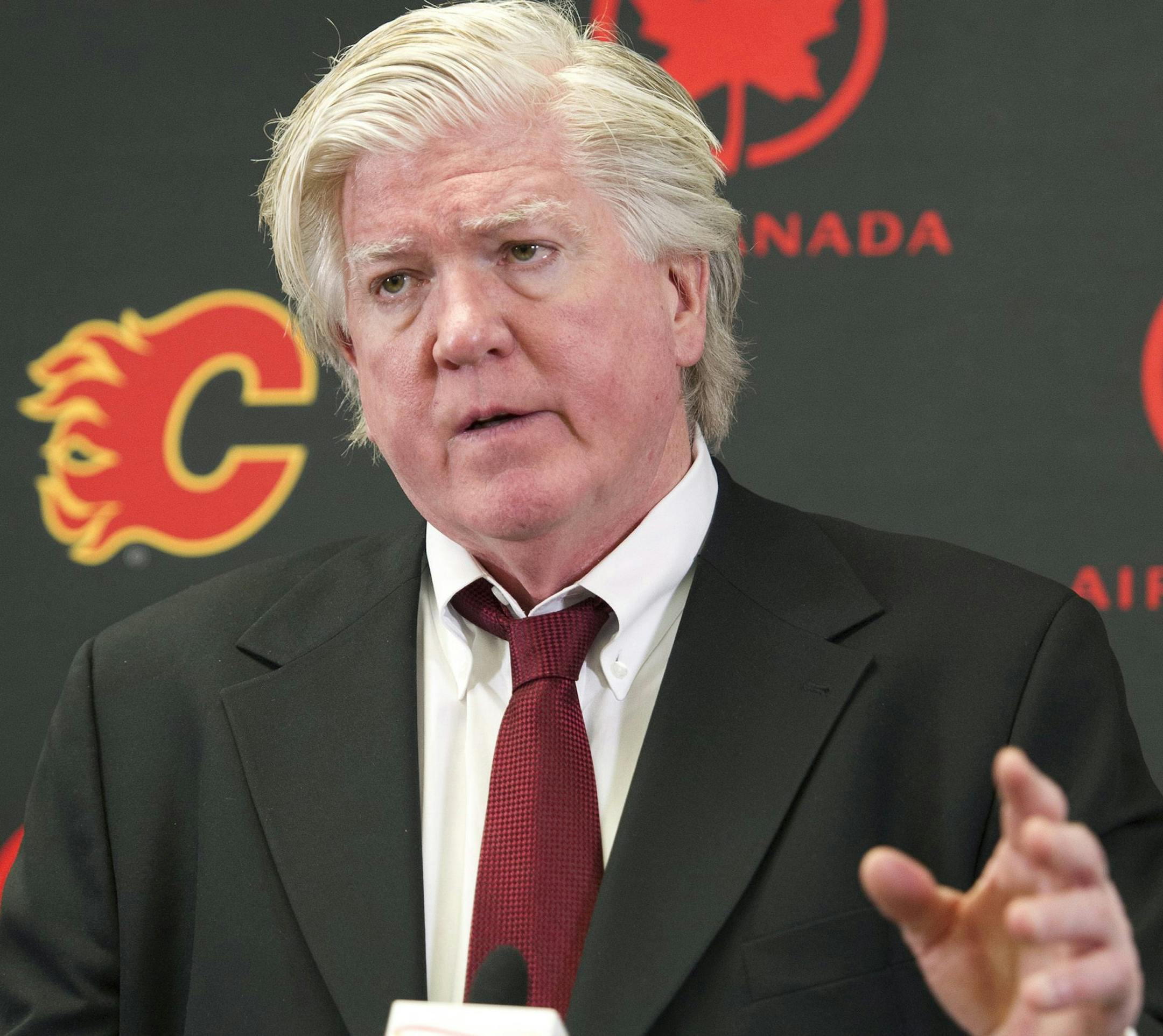
But last weekend when Gary Bettman addressed a bunch of suits that lead the league's 30 franchises in Pebble Beach, there was no talk of labor disputes and ownership problems in such places as Glendale, Ariz.; Newark, N.J., and Sunrise, Fla.
Instead, the NHL commissioner watched as his record 12-year, $5.2 billion Canadian TV deal was approved, announced that revenues are expected to exceed a record $3.3 billion this season and revealed that next year's salary-cap ceiling is expected to rise nearly $7 million to surpass $71 million.
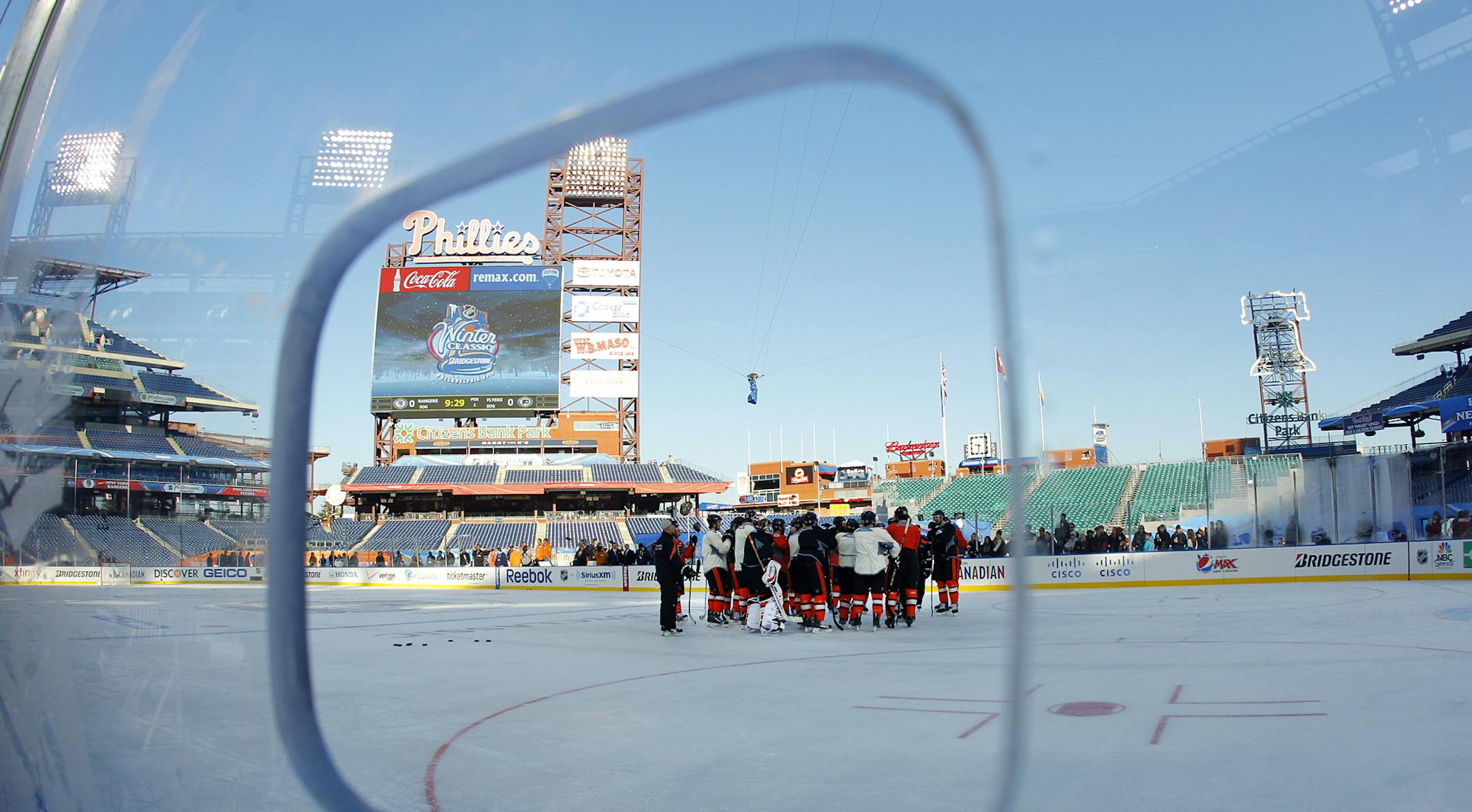
And that number should only rise in future years. The TV deal kicks in next year. Outdoor games are generating big revenue (there are six this year). And there seems to be definite traction toward the NHL expanding by two franchises in the next few years.
There's been ample interest. Seattle is the biggest front-runner, with Quebec City or a second team in Toronto also a possibility. But unless a team from the East like Columbus is going to move back to the Western Conference (there are 16 teams currently in the East, 14 in the West), the West could actually be in line for two expansion teams.
There is a well-organized group interested in putting an expansion team in Las Vegas, and AEG and MGM Resorts International are building a new $350-million arena on the Las Vegas Strip near New York-New York that should be completed by 2016.
The league keeps growing, which, of course, is good news for the Wild. This past summer, the Wild had a difficult time getting cap compliant thanks to last year's lockout resulting in a $6 million decrease in the salary cap.
Once the Wild couldn't buy out injured Dany Heatley, the complexion of the entire offseason changed. The Wild had to buy out defenseman Tom Gilbert, let center Matt Cullen go via free agency, and trade Devin Setoguchi.