

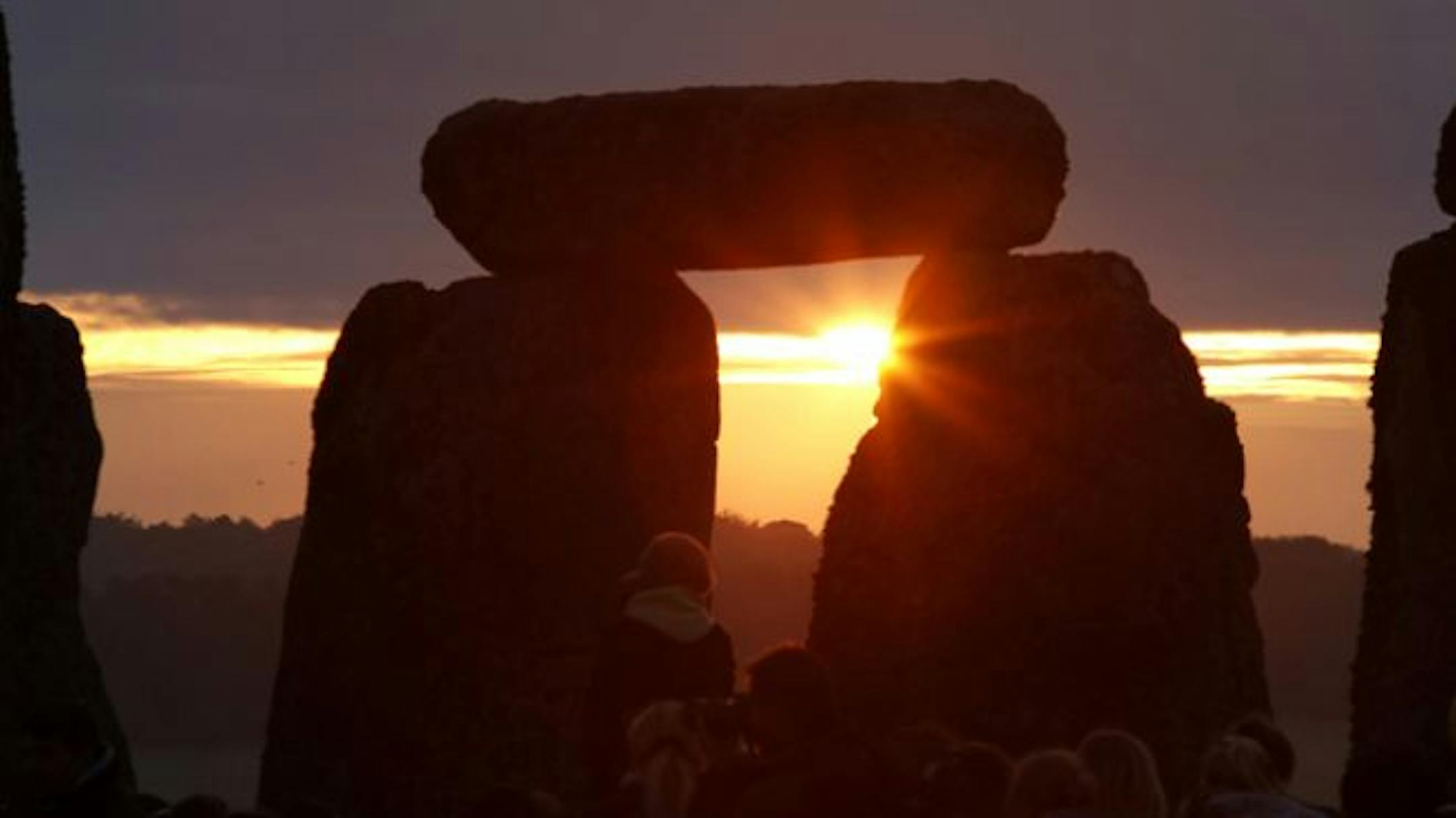
Alone among the notable days in the year, there stands the summer solstice, in splendid, sun-drenched isolation. It starts today, the longest day of the year, when the sun (Latin "sol") stands still ("sistere") and shines for slightly over 15 hours.
Why no love for the summer solstice, a day when, the weather notwithstanding, you can do whatever you like outdoors from dawn to dusk and then some?
Every religion in the world has embraced the summer solstice's wintry counterpart, Dec. 21, the shortest day of the year. The Romans bacchanalized on the Saturnalia holiday; China still observes the December Dongzhi festival, and the Scandinavian St. Lucy's Day (Dec. 13) commemorates the winter solstice of the old, pre-Gregorian calendar.
Hanukkah, the Hebrew festival of light, can fall any time between late November and late December, bracketing the winter solstice. Perhaps you've heard of Christmas? A solstice ritual, pure and simple.
The Christian church likewise put a double hammerlock on the vernal equinox, which occurs in late March. It is no accident, as the Marxists used to say, that the Feast of Annunciation of the Blessed Virgin Mary falls on March 25, near the date of the spring (vernal) equinox. Easter, which celebrates rebirth and resurrection, occurs soon after the vernal equinox, informally known as the first day of spring.
But the Christians have left summer to fend for itself. The purported birthday of John the Baptist occurs on June 24, but who remembers that? Homeopathic doctors, perhaps; the medicinal herb St. John's wort is traditionally harvested on John's birthday.
The church calendar calls this season Ordinary Time. Are you kidding? No! Extraordinary time! You can take longer bike rides, and you can ignore Mom's pleas to come indoors. The stifling July heat waves are still weeks away.
The pagans celebrated the summer solstice with the hoopla it deserved. Often called Litha, the holiday feted the wedding of heaven and earth at midsummer, which made the time propitious for human weddings as well.


