

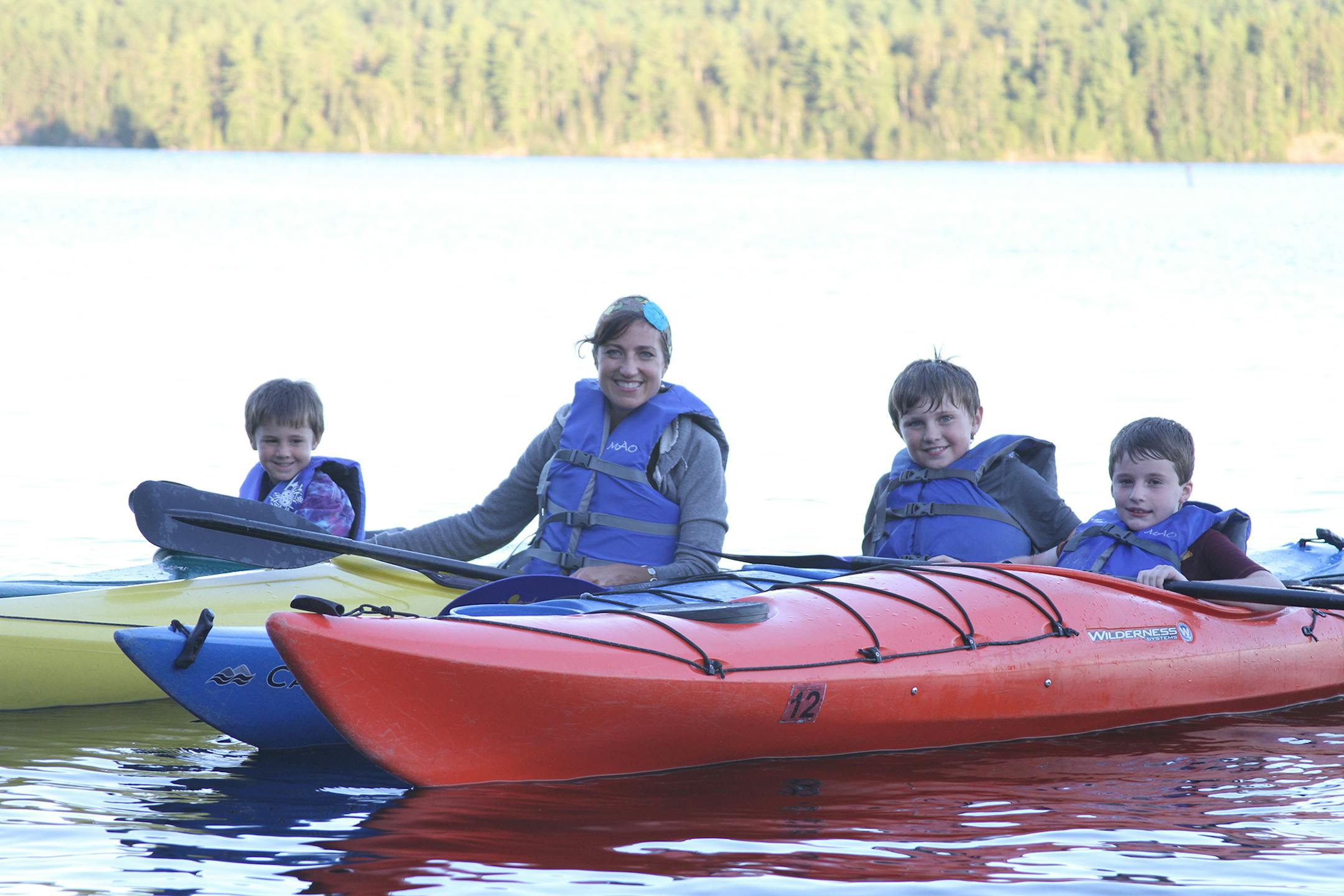
It should be a fun-filled time that leaves wonderful memories, but a camp experience can be marred by health problems: sunburn, a case of poison ivy, even old-fashioned homesickness. Here are some camp experts' tips for keeping your child a happy camper.
Encourage your child to help choose the camp. That's a good way to match the camp to your child's interests and comfort levels, said Connie Rodosovich, general manager of camping services for the YMCA of the Greater Twin Cities. Ask questions: What would you like to do at camp? How long do you want to stay? How far away do you want to go? Study websites and other materials to gather details in advance. Many camps offer information nights, with opportunities to meet the staff.
Practice some trial separations. If your child hasn't spent time away from home before, aside from an occasional overnight at grandma's, consider a longer trial run, "maybe sleepovers with friends for one or two nights," Rodosovich suggested.
Pack a water bottle. "Girl Scout campers keep water bottles with them at all times to keep properly hydrated," said Sara Danzinger, public relations manager for the Girl Scouts of Minnesota and Wisconsin River Valleys. Active campers need a lot of water; a bout of dehydration can put a serious damper on a camp experience.
Have the child take a memento from home. It could be a photo of the family or a pet, a stuffed animal, or some other comforting object. "If they can bring a little piece of home with them, that may prevent homesickness and help them feel a little more comfortable at camp," Rodosovich said.
Don't forget sunscreen and insect repellant. In fact, send multiple bottles, in case one gets left behind on a hike, Danzinger said. Smaller bottles are easier to slip into a pocket and keep handy for reapplication on the trail.
Make sure the camp provides helmets for biking or horseback riding. Many camps require them. If they're not provided, send one along.
Show the child what poison ivy and other irritating plants look like. "We recommend girls stay on trails to avoid any possible interaction with such plants," Danzinger said. But … you know kids.


