

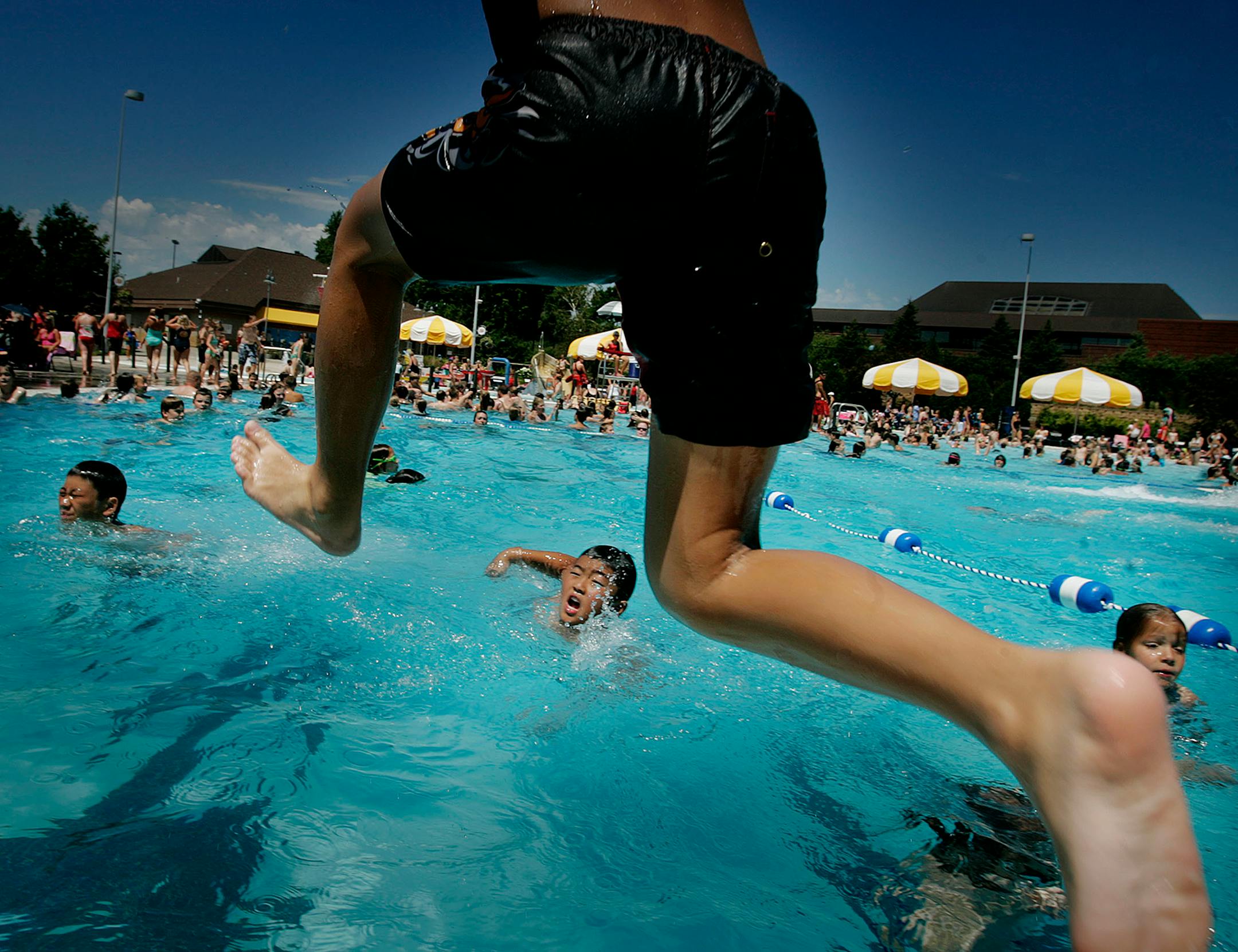
You probably would like your kids to stay active during the summer. Experts say kids over 6 years old ideally should get about an hour a day of vigorous physical activity.
But a regimented, top-down approach — even when accompanied by your helpful lectures on how research has shown that physical fitness reduces the risk of diabetes, heart disease, some cancer and other chronic ailments — probably isn't the most effective way to encourage kids to do it, any more than kids dig hungrily into foods because you've praised their vitamin and fiber content.
Better to simply make opportunities available, provide some basic equipment (or, if necessary, a few preliminary lessons), set a good example, get the ball rolling, figuratively or literally, and let the kids take it from there.
Family weekend outings may stir enthusiasm for activities that lasts through the week, said Jack Olwell, president of the Minnesota Association for Health, Physical Education, Recreation and Dance.
"Whether you're playing games or going to the park, I don't think it really makes any difference what it is," Olwell said. "What do I care what the child chooses — badminton, tennis, karate, stair climbers … I just want to see that they've chosen something they can incorporate into their lifestyle."
Dr. Julie Boman, a pediatrician at Children's Hospitals and Clinics of Minnesota who is involved in obesity-prevention projects, agreed that the specific nature of the activity is not important.
"Gardening in the summer is a great way to be active," she said. "If there's a child who doesn't like to run around as much and they're doing things like going for nature hikes instead, that's wonderful."
Boman said kids in her neighborhood enjoy washing her family's truck. "They're outside playing, and they find it fun because they're squirting with water and making bubbles." They also like digging into the "huge bucket of outdoor toys"— jump ropes, hula hoops, balls of various kinds, even a karaoke set
"We all just pitched in and said, it's for everyone," Bowman said.
Olwell, who has taught physical education at North Trail Elementary School in Farmington, Minn., for 36 years (and also coaches tennis), stresses the benefits – both physical and mental – of children's free play: random activities invented and structured by youngsters themselves.


