
Suburban exposure: A photo legacy

Beauty pageants and Girl Scouts selling cookies are mixed with car accidents and house fires in these unsettling and revealing images from 1950s and '60s Bloomington.

March 28, 2008 at 4:41PM
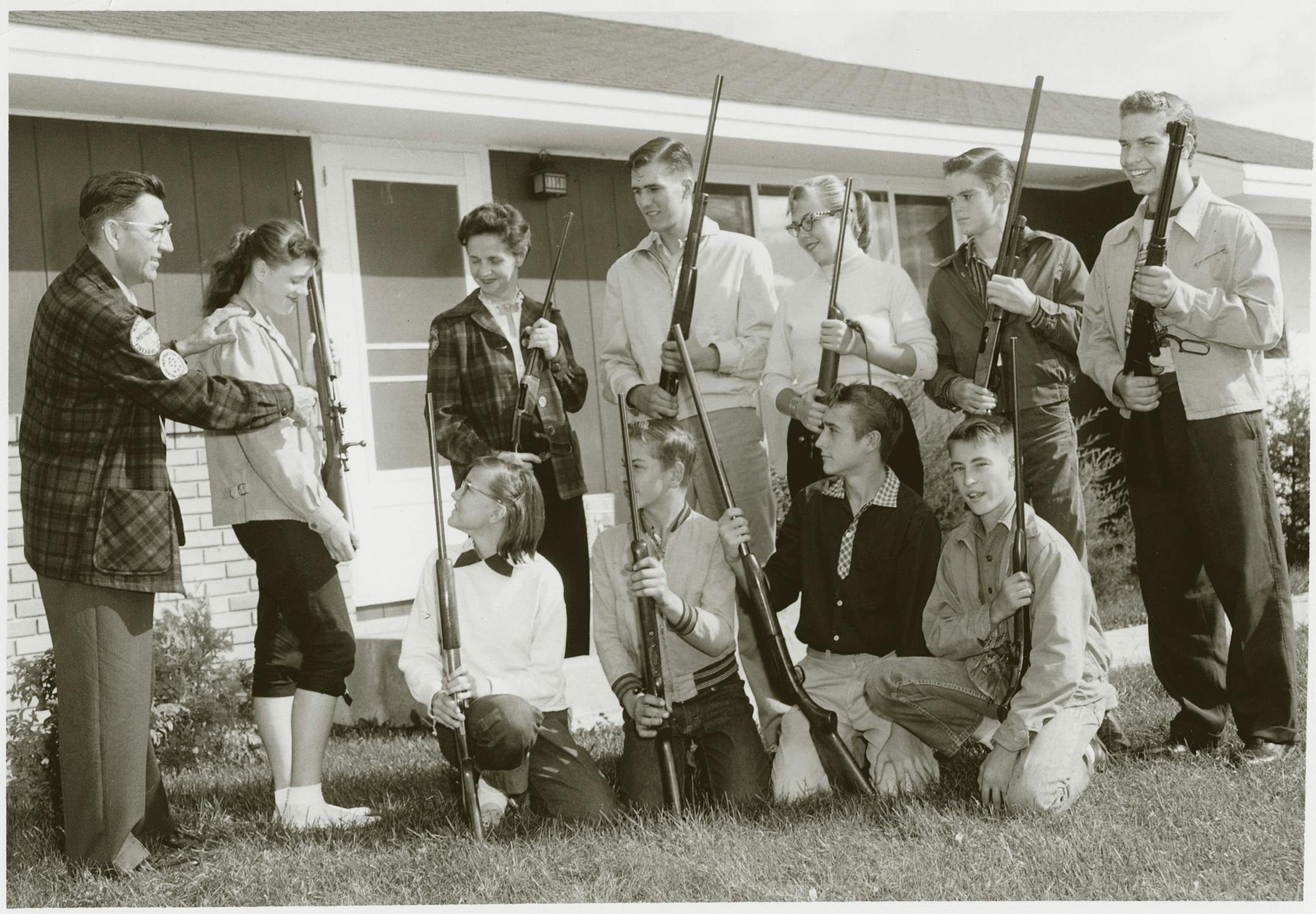
A battalion of Bloomington residents gathered for the Willis Wariner gun-training class in 1957.
A battalion of Bloomington residents gathered for the Willis Wariner gun-training class in 1957. (Star Tribune/The Minnesota Star Tribune)

Don't most people have mixed emotions about their hometowns? I know I do.

Thomas Wolfe made the expression "you can't go home again" a byword of American culture. But it loses its impact if one has never really left.

I was born in Minneapolis, grew up in '50s and '60s Bloomington, yet have spent all my adult life in Minneapolis. (I guess I just find sidewalks and alleys exotic.)

But Bloomington has never been far from my mind.

My father lived there from 1951 until his death just a few years ago. I was saddened not only by his loss, but also by having to terminate the family phone number -- an 881 number that was in use for more than 53 years. You can't call home again.

Or can you?

Journalist Brad Zellar's "Suburban World: The Norling Photos" has brought back plenty of memories for me. Zellar discovered a cache of 10,000 photos taken by Irwin Norling in the basement of the Bloomington Historical Society, and knew right away what a treasure the images represented. The book he has artfully assembled is reminiscent of Larry Millett's "Strange Days, Dangerous Nights: Photos From the Speed Graphic Era."

I remember many of the locations and some of the events. In some of the photos, people are putting their best feet forward. Here's the used car lot that used to be at 96th Street and Lyndale Avenue S. Here are the owners of the Oxboro Variety store. (Didn't I buy Halloween wax lips there once? I know my friends and I often rode our bikes to the Oxboro area, though our mothers had forbidden it.) Here's the opening of Interstate 35W. I feel like Scrooge visiting his youth and crying out, "It's Fezziwig alive again!"
As Alec Soth's foreword says, it was not so much Norling's artistry -- and he did have a keen eye -- as his ever-present persistence, obsessively grabbing the camera, packing up his wife and kids and heading out in the middle of the night. He devoted his life to documenting a first-ring Midwestern suburb. How many other photojournalists did that?

But it's not all sweetness and light: The Lions Club distributing Christmas baskets, American Legion parade floats, rodeo queen contestants and ribbon cuttings are mixed with grim pictures of car accidents, the aftermath of murder-suicide, the victim of an electrocution and a mobile home explosion.

It's like sitting down with Grandma and her photo album, and as you page through it you discover that behind her checkered apron and homemade cookies she's really an ax murderer. Spend some time with these haunting black-and-white images and you just might be imagining "It's a Wonderful Life" directed by Alfred Hitchcock.

Gertrude Stein's quote, "There is no there there," is well known but greatly misunderstood. She was not being her usual enigmatic self; she was referring to Oakland, Calif., where she spent her childhood and where most of what she remembered was gone.

Thanks to Zellar's reclamation of Norling's photos of mid-century Bloomington, "there" will always be "there" for those who experienced the incredible rural-to-suburban change that took place nationwide.

Jarrett Smith is a Star Tribune production editor.

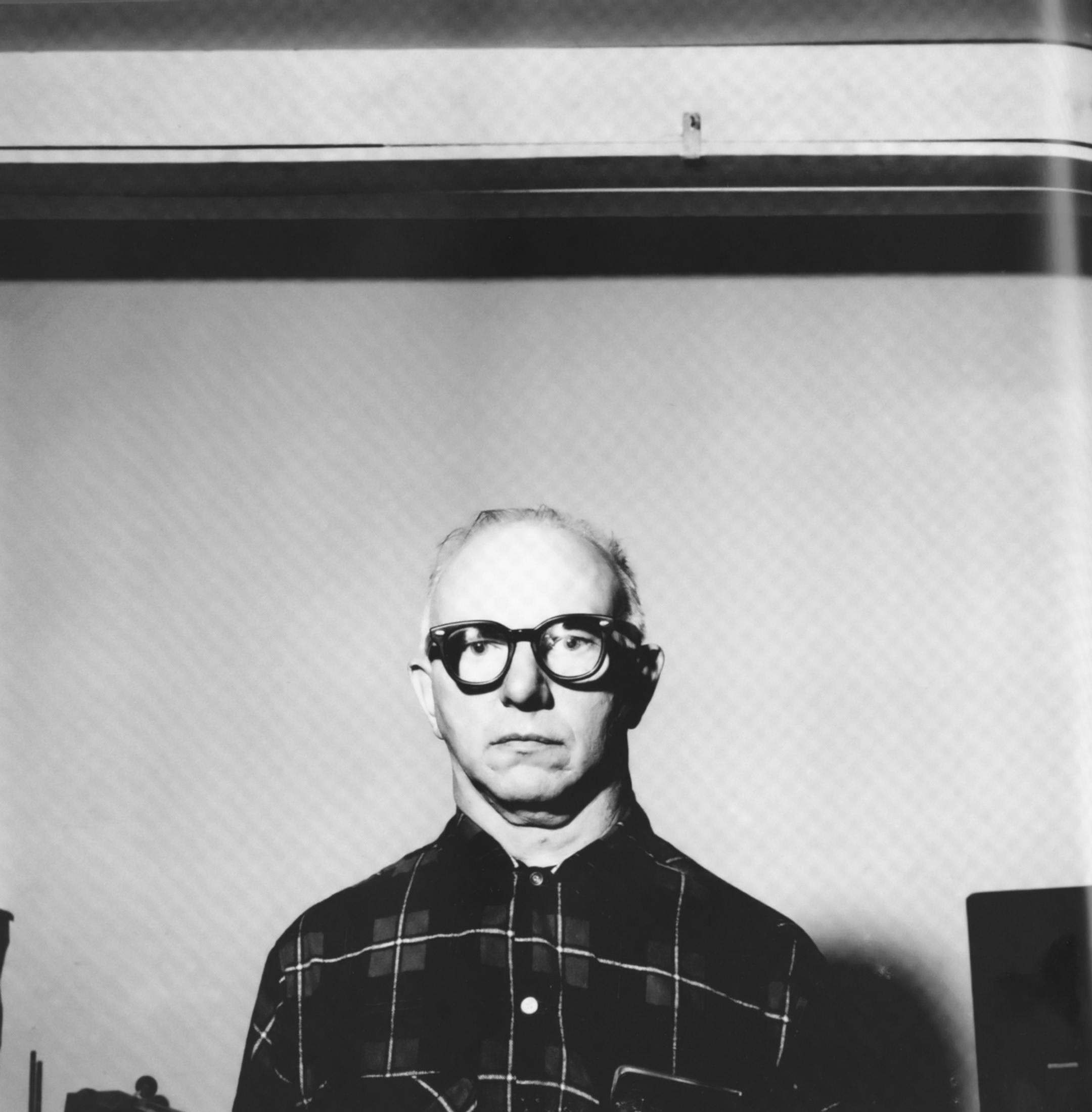
Irwin Norling, circa 1959
Irwin Norling, circa 1959 (Star Tribune/The Minnesota Star Tribune)
about the writer

about the writer

JARRETT SMITH, Star Tribune

More from Minnesota Star Tribune

See More
card image
J. SCOTT APPLEWHITE, ASSOCIATED PRESS/The Minnesota Star Tribune

The "winners" have all been Turkeys, no matter the honor's name.

In this photo taken Monday, March 6, 2017, in San Francisco, released confidential files by The University of California of a sexual misconduct case, like this one against UC Santa Cruz Latin Studies professor Hector Perla is shown. Perla was accused of raping a student during a wine-tasting outing in June 2015. Some of the files are so heavily redacted that on many pages no words are visible. Perla is one of 113 UC employees found to have violated the system's sexual misconduct policies in rece