
Study: Many 'bee-friendly' plants are toxic bee killers

September 3, 2013 at 3:03PM
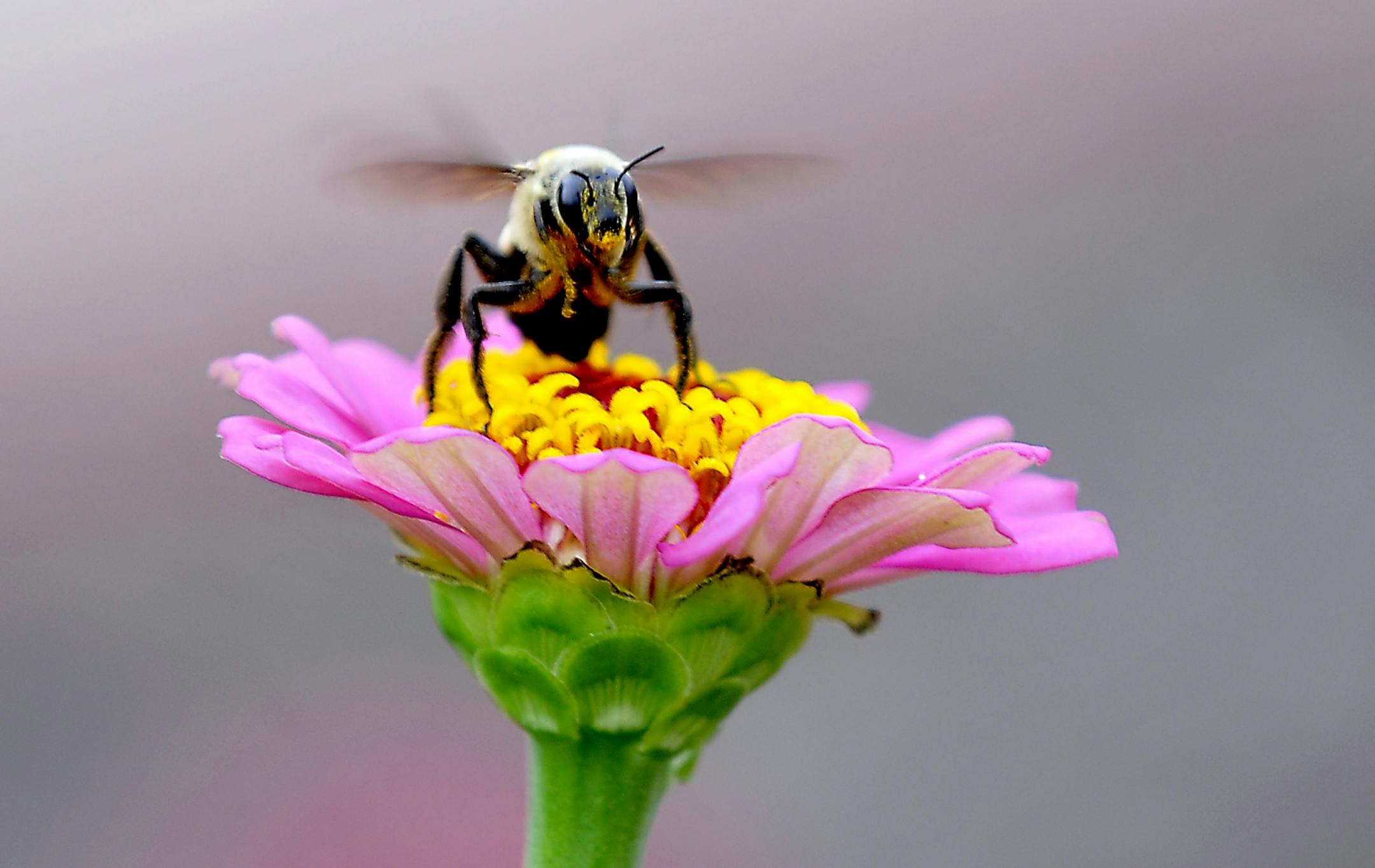
A pollen covered bee takes off from a flower at Dillingham Garden Thursday July 25, 2013 in Enid, Oklahoma.
A pollen covered bee takes off from a flower at Dillingham Garden Thursday July 25, 2013 in Enid, Oklahoma. (Associated Press - Ap/The Minnesota Star Tribune)

Buyer bee-ware.

That's the bottom line of a recent study claiming that many plants touted as "bee-friendly" are actually deadly, because they've been pre-treated with pesticides shown to harm and kill bees.

The study, released by Friends of the Earth-US and co-authored by the Pesticide Research Institute, found that seven of 13 samples of garden plants bought at some large national retailers in Minneapolis, Washington, D.C., and the San Francisco Bay Area contained neonicotinoids, a widely used class of neurotoxic pesticides believed to be a factor in widely publicized global bee die-offs, or colony collapse disorder.

That may mean planting coneflowers or bee balm to attract pollinators including bees won't do them any favors.

"So-called 'bee-friendly' garden plants contain pesticides that can poison bees, with no warning to gardeners," said Lisa Archer, director of the Food and Technology Program at Friends of the Earth-US. "Bees are essential to our food system, and they are dying at alarming rates. Neonic pesticides are a key part of the problem we can start to fix right now in our own back yards."

Friends of the Earth recently sent letters to Lowe's, Home Depot, Target and other retailers, asking them to stop selling neonicotinoids and plants pre-treated with the pesticides.

"We haven't reviewed the study yet," said Home Depot spokesman Stephen Holmes. "But we certainly appreciate the importance of the bee population and we'll be reaching out to the study groups to learn more about their findings and methodology."

The use of such pesticides is much more widespread than most home gardeners realize, according to Heidi Heiland, owner of Heidi's Lifestyle Gardens, a Plymouth-based company that designs, installs and maintains gardens and landscapes. Because Heiland, like most home gardeners, purchases plants from growers, she's said she's very concerned about the presence of neonicotinoids in plants she buys.
Landscape Alternatives, a native plant supplier in Shafer, Minn., grows all its own plants and uses no neonicotinoids, said owner Roy Robison.

"That's one of the advantages of native plants," he said. "They don't have all the pests and diseases that fancy cultivated plants can get."

Robison does sometimes treat plants with insecticidal soap, a selective insecticide that kills some insects, such as aphids, by suffocating them rather than attacking the central nervous system. The residue is not harmful to pollinators, he said.

That can't be said of neonicotinoids. "They remain in plants and soil and can continue to affect pollinators for months to years after the treatment," said Timothy Brown of the Pesticide Research Institute. □

Kim Palmer • 612-673-4784

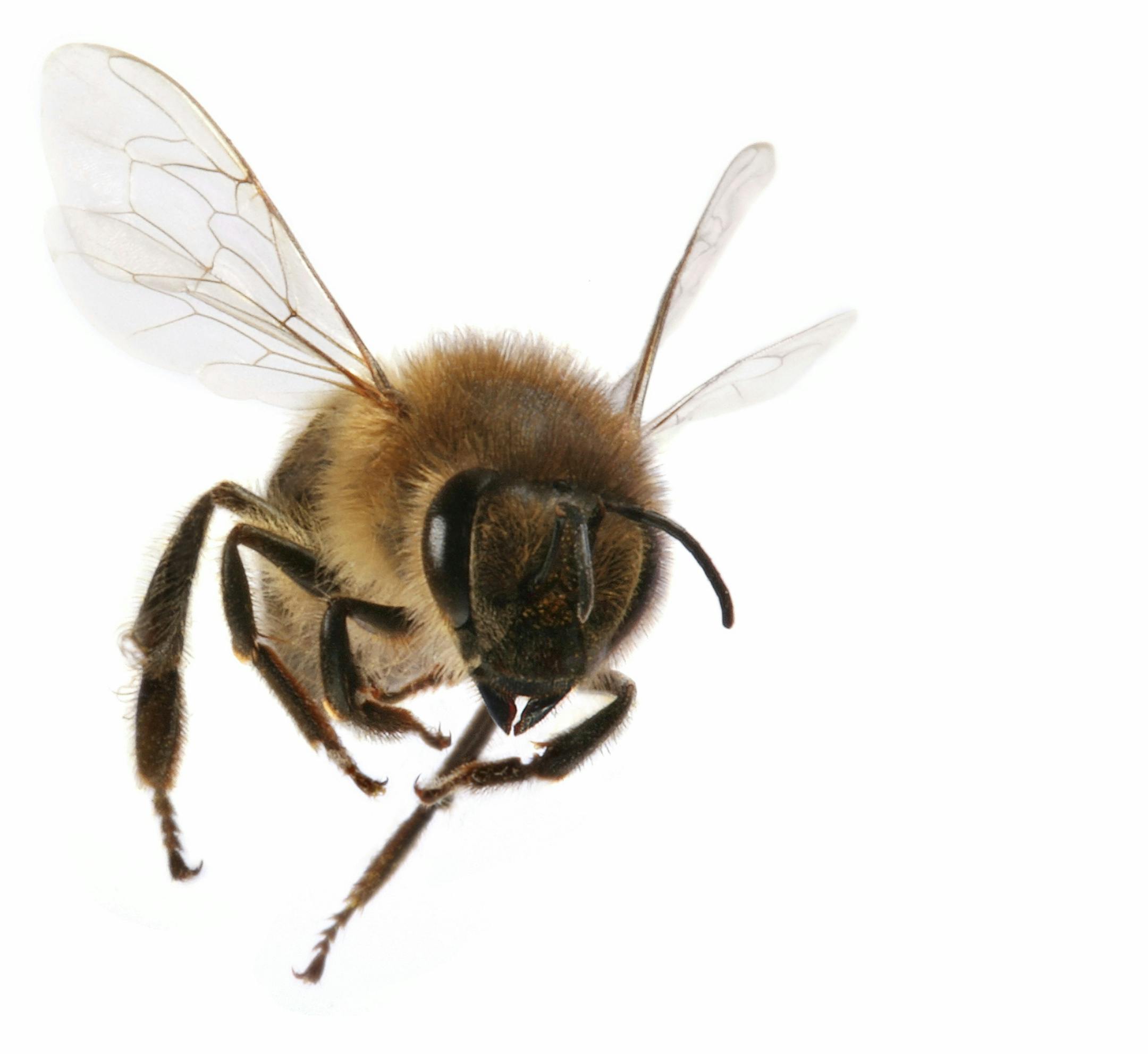
istockphoto.com; a flying bee
istockphoto.com; a flying bee (The Minnesota Star Tribune)
about the writer

about the writer

Kim Palmer

Reporter, Editor

Kim Palmer is editor/reporter for the Homes section of the Star Tribune. Previous coverage areas include city government, real estate and arts and entertainment 

See Moreicon

More from Minnesota Star Tribune

See More
card image
J. SCOTT APPLEWHITE, ASSOCIATED PRESS/The Minnesota Star Tribune

The "winners" have all been Turkeys, no matter the honor's name.

In this photo taken Monday, March 6, 2017, in San Francisco, released confidential files by The University of California of a sexual misconduct case, like this one against UC Santa Cruz Latin Studies professor Hector Perla is shown. Perla was accused of raping a student during a wine-tasting outing in June 2015. Some of the files are so heavily redacted that on many pages no words are visible. Perla is one of 113 UC employees found to have violated the system's sexual misconduct policies in rece